•
•
•
•
•
•
•
•
•
•
•
•
•
•
•
•
•
•
•
•
•
•
•
•
•
•
•
•
•
•
•
•
•


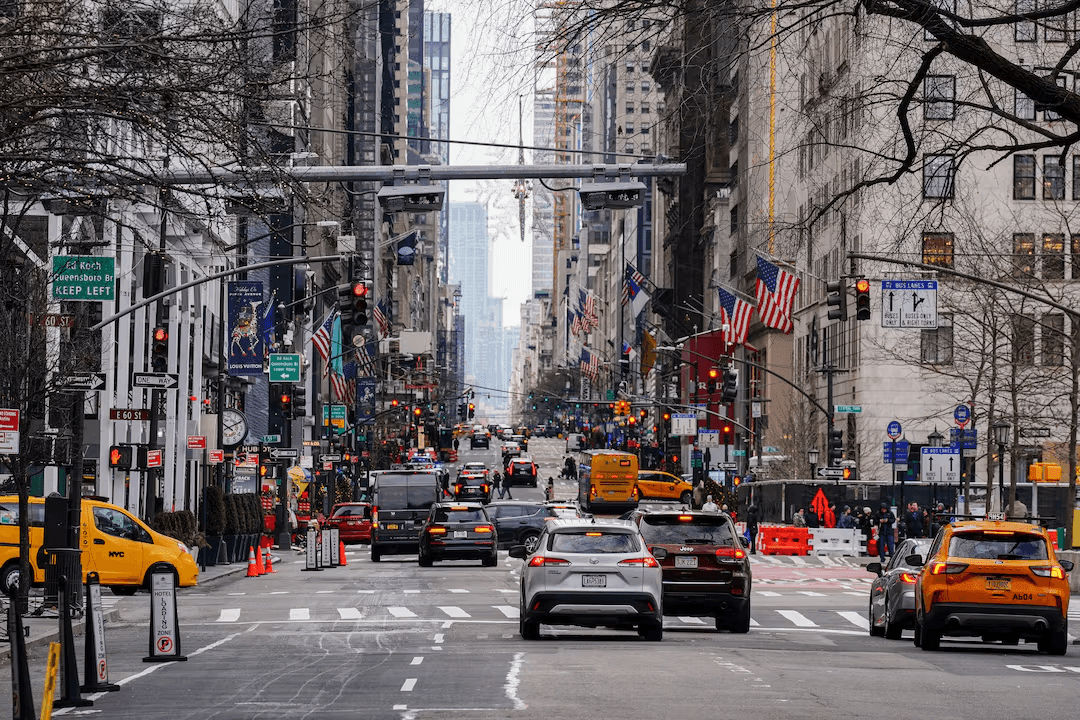
US GDP growth accelerated in Q1 2026 as corporate investment surged in artificial intelligence (AI) and data-center construction. Real gross domestic product rose at an annual rate of 2.0% in the first quarter, following a 0.5% rise in Q4 2025. Economists polled by Reuters had forecast 2.3%.
In Q1, the AI investment boom and data-center construction activity boosted business spending on equipment by 17.2% from a 4.3% rise in the prior quarter. This increase offset the ninth straight quarterly decline in nonresidential structure investment. As a result, total business investment contributed more than one percentage point to GDP growth.
The pace of GDP growth was also supported by government spending, which rose 4.4% in Q1. Federal outlays were up 9.3% in the quarter.
In contrast, a widening trade deficit subtracted 1.3 percentage points from GDP growth. Residential investment also fell for the fifth consecutive quarter as mortgage rates remained high, weighing on the housing market.
Consumption, the economy’s mainstay, grew 1.6% in Q1 2026, slower than 1.9% in Q4 and 3.5% in Q3 2025. Domestic demand excluding government spending, inventories, and net exports rose 2.5% in Q1, after a 1.8% rise in Q4 2025.
Analysts noted that slower consumer spending is a red flag amid the US–Iran conflict, which has pushed national gasoline prices above $4 per gallon. Gasoline-price inflation adds to living-cost pressures for households, while tariff measures have kept prices elevated for many goods.
The PCE index—the Federal Reserve’s preferred inflation gauge—rose 3.5% year over year in March, the strongest pace since May 2023. For the first quarter, PCE was up 4.5% year over year, the fastest quarterly pace since May 2023.
Analysts warned that higher inflation could dampen the positive impact of tax cuts, and that consumer spending may not pick up meaningfully in 2026 unless inflation cools.
The Labor Department reported initial claims for unemployment benefits at 189,000 for the week ending April 25, the lowest since September 1969, underscoring a comparatively resilient job market.
With a strong labor market and rising inflation, expectations remain that the Fed will hold rates at 3.5% to 3.75% for the remainder of the year and possibly into 2027.


Premium gym chains are entering a “golden era” that is ending or already in decline, as rising operating costs collide with shifting consumer preferences toward more flexible, community-based ways to exercise. Long-term memberships are shrinking, margins are pressured by higher rents and facility expenses, and competition from smaller, more personalized…