•
•
•
•
•
•
•
•
•
•
•
•
•
•
•
•
•
•
•
•
•
•
•
•
•
•
•
•
•
•
•
•
•


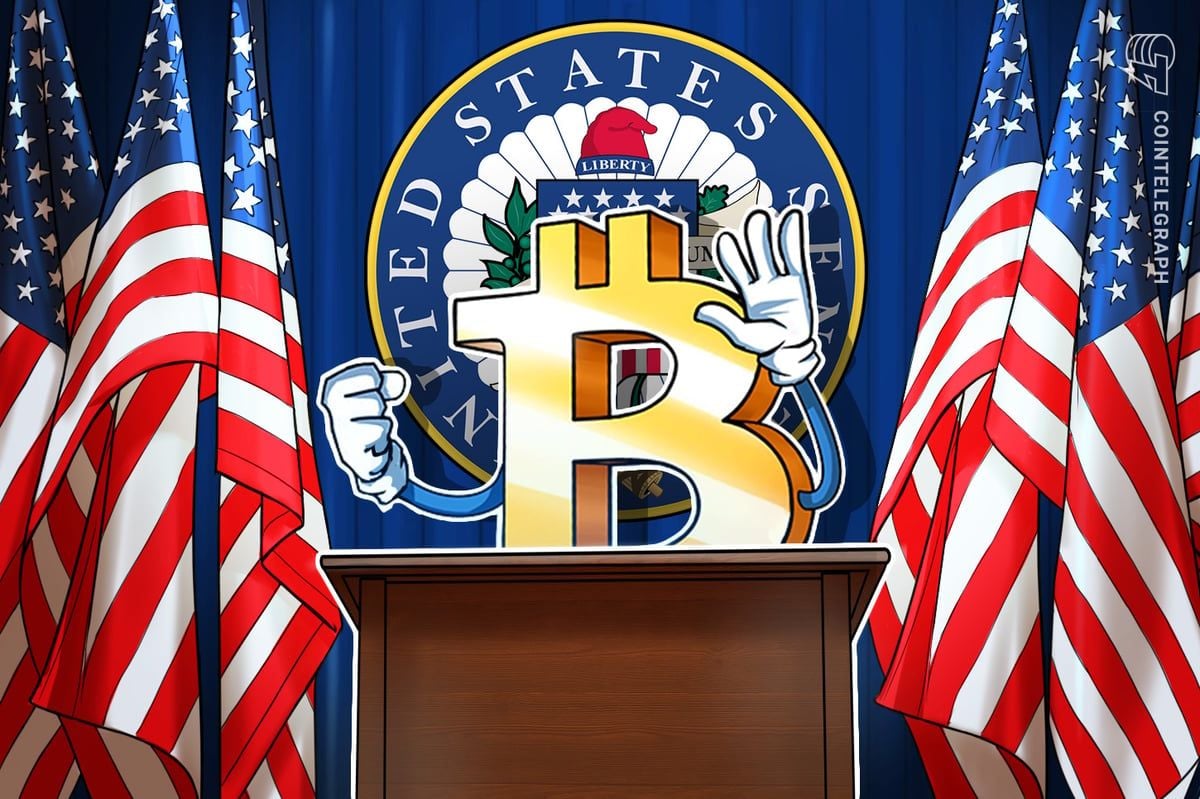
Two US Republican senators have introduced the “Mined in America Act” to bring more Bitcoin mining manufacturing back to the United States and to codify President Donald Trump’s executive order establishing a Strategic Bitcoin Reserve. The bill was introduced by Senators Bill Cassidy and Cynthia Lummis on Monday.
The legislation would create a voluntary “Mined in America” certification for crypto mining facilities and mining pools. Under the certification, participating facilities would be required to phase out mining equipment manufactured by companies tied to “foreign adversaries,” while supporting domestic manufacturing of mining hardware.
Cassidy said in a statement that “Digital asset mining is a big part of our economy. We should be doing it here in America.”
The bill’s push for domestic manufacturing comes as the United States has become the leading Bitcoin mining country by hashrate following China’s crackdown on Bitcoin mining in 2021. The US currently hosts about 38% of the Bitcoin network’s hashrate, more than double that of second-place Russia.
The bill also directs the National Institute of Standards and Technology and the Manufacturing Extension Partnership to help US manufacturers develop more secure and energy-efficient crypto mining equipment.
In addition, the legislation seeks to codify Trump’s executive order to establish a Strategic Bitcoin Reserve.
The US Bitcoin mining industry was impacted by a several-month-long incident that began in late 2024, when US Customs and Border Protection paused shipments of thousands of Bitmain ASIC machines at US ports. Luxor Technology was among the companies affected.
In March 2025, Luxor Technology chief operating officer Ethan Vera told Cointelegraph that the machines were seized because they were mistakenly believed to be illegally imported radio frequency devices.







Premium gym chains are entering a “golden era” that is ending or already in decline, as rising operating costs collide with shifting consumer preferences toward more flexible, community-based ways to exercise. Long-term memberships are shrinking, margins are pressured by higher rents and facility expenses, and competition from smaller, more personalized…




