•
•
•
•
•
•
•
•
•
•
•
•
•
•
•
•
•
•
•
•
•
•
•
•
•
•
•
•
•
•
•
•
•


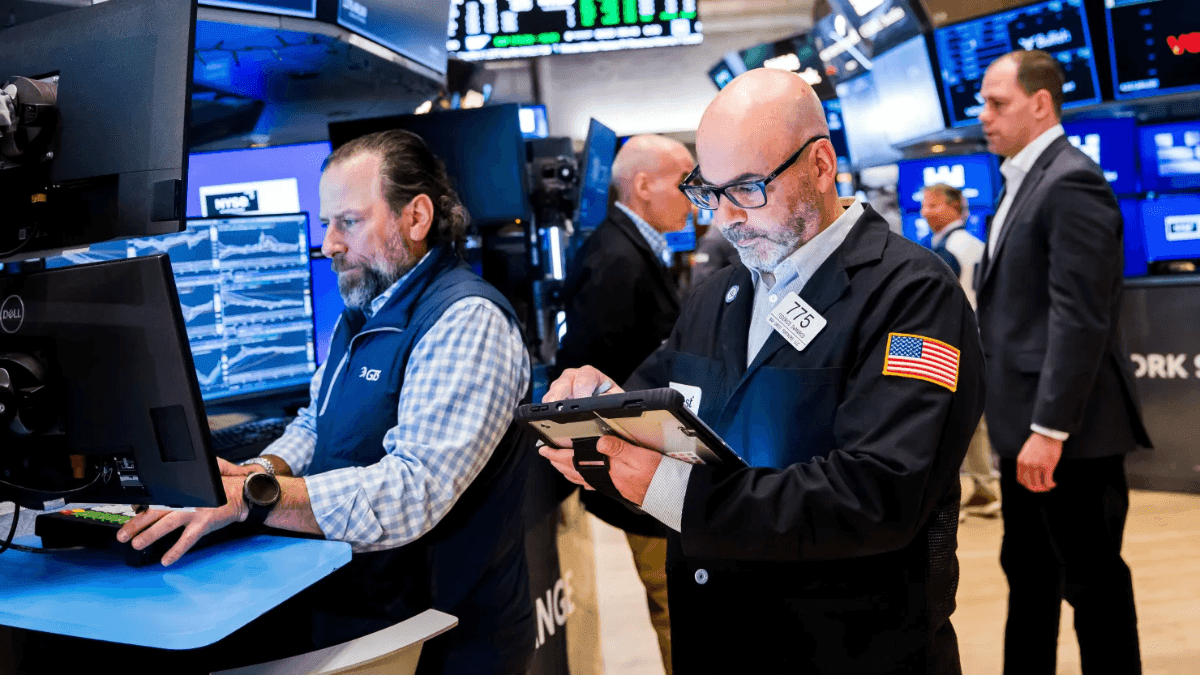
U.S. stock markets rose on Monday, April 27, with the S&P 500 and the Nasdaq posting fresh records and extending peaks set earlier in April. Gains were modest, however, as peace talks between the U.S. and Iran stalled and the Hormuz Strait remained blocked, keeping crude oil prices elevated.
At the close, the S&P 500 rose 0.12% to 7,173.91, while the Nasdaq added 0.2% to 24,887.1. Both indices ended the session at record levels and also set intraday highs. The Dow Jones Industrial Average fell 62.92 points, or 0.13%, to 49,167.79.
Over the weekend, President Donald Trump unexpectedly canceled a trip by U.S. negotiators to Pakistan. He said that if Iran wants to negotiate, it should contact the U.S. Reuters, citing Pakistani officials involved in mediating peace talks, reported that efforts to bridge Washington and Tehran were not over.
Iran’s Foreign Ministry spokesman Esmaeil Baqaei said there are currently no plans for a meeting between Tehran and Washington. During a White House briefing on Monday, White House Press Secretary Karoline Leavitt said Trump and the national security team discussed a proposal from Iran to reopen the Hormuz Strait.
Iran’s condition is that the U.S. lift sanctions and end the war, and also pause negotiations on Tehran’s nuclear program. It was not yet clear how the U.S. would respond to Iran’s proposal.
In energy markets, Brent crude futures in London rose 2.75% to close at $108.23 per barrel. WTI futures in New York rose 2.09% to $96.37 per barrel.
Analyst Adam Crisafulli of Vital Knowledge said the situation remains “somewhat negative,” but added that tensions appear to be winding down. Falcon Wealth’s Gabriel Shahin said investors on Wall Street have largely set aside concerns about the Gulf conflict, pointing to new records set last week, though the conflict continues to affect markets.
Shahin said oil remains a key variable shaping the market, while the earnings outlook for listed companies is expected to provide a cushion for the indices in coming sessions.
Goldman Sachs raised its forecast for oil prices, predicting that exports via Hormuz and Gulf energy activity would recover more slowly than previously expected. It projected Brent to average $90 per barrel in Q4 2026, up from $80, and WTI to average $83, up from $75.
Citibank analysts projected Brent could reach as high as $150 per barrel if the disruption lasts until the end of June.
Beyond developments related to the U.S.-Iran conflict and corporate earnings, investors are also watching a series of monetary policy meetings this week. The Federal Reserve meets Tuesday and Wednesday, and it will be the final meeting for Chair Jerome Powell before his term ends next month.
In addition to the Fed, the Bank of Canada, Bank of England, European Central Bank and Bank of Japan will also meet this week. Investors are looking for policymakers to provide the latest assessment of the impact of the U.S.-Iran conflict on the economy and the outlook for monetary policy.



Premium gym chains are entering a “golden era” that is ending or already in decline, as rising operating costs collide with shifting consumer preferences toward more flexible, community-based ways to exercise. Long-term memberships are shrinking, margins are pressured by higher rents and facility expenses, and competition from smaller, more personalized…




