•
•
•
•
•
•
•
•
•
•
•
•
•
•
•
•
•
•
•
•
•
•
•
•
•
•
•
•
•
•
•
•
•


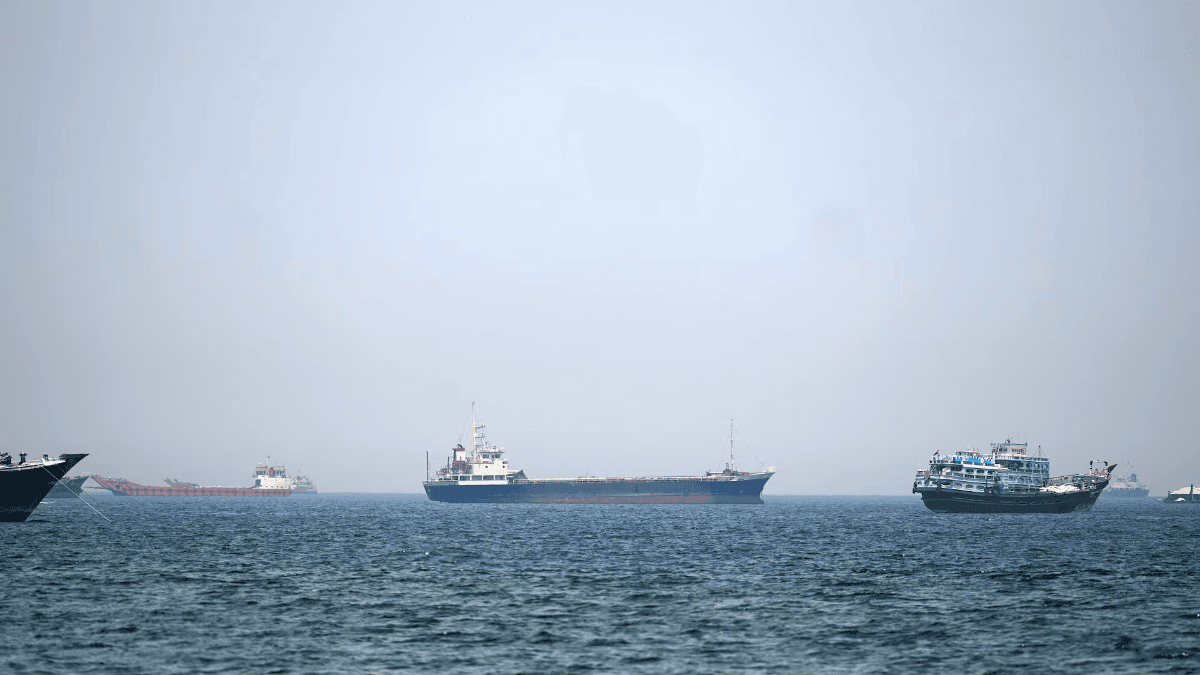
Washington is urging other countries to form an international coalition to restore freedom of navigation through the Hormuz Strait, according to a U.S. State Department diplomatic cable reviewed by Reuters. The push comes as global oil prices climb to their highest levels in more than four years, driven by fears that disruptions to fuel supplies could persist.
More than two months after fighting began between the United States and Iran, the key shipping route through the Hormuz Strait remains almost paralyzed. The strait’s flows account for about 20% of the world’s oil and gas supply, and the ongoing disruption has pushed energy prices higher while raising concerns about a potential global economic slowdown.
Brent futures briefly topped $125 a barrel after reports that the United States was preparing additional military strikes. Since the start of the year, Brent has nearly doubled, and on April 30 oil reached its highest level since March 2022, increasing inflationary pressure and pushing pump prices higher in many countries.
Diplomatic efforts to end the conflict have stalled. The United States is seeking to apply more pressure on Tehran by imposing blockades on Iranian ports in the Hormuz region to curb Iran’s oil exports, a major source of revenue for Iran’s economy.
Axios reported on April 29 that President Donald Trump was expected to receive a briefing the following day on plans for additional military strikes intended to push Tehran back to negotiations.
Iran said it would continue to disrupt maritime traffic through the Hormuz Strait as long as it feels threatened. Tehran warned on April 29 that it would carry out “unprecedented military action” if the United States continues to block ships linked to Iran.
Iran has also said its nuclear program serves peaceful purposes. Trump urged Iran not to possess nuclear weapons, and on April 29 wrote on social media that “They don’t know how to sign a non-nuclear agreement. It’s best if they are wiser!” without detailing what such an agreement would include.
In the cable, the U.S. State Department calls on countries to join a new international coalition aimed at restoring maritime passage through the Hormuz Strait. The alliance, named the “Freedom of Maritime Mechanism,” would share information, coordinate diplomacy, and support enforcing sanctions.
France, Britain and other countries have discussed contributing to the coalition, but they say they are willing to help reopen the strait only after fighting ends.
A senior Pentagon official said the Iran conflict has cost the U.S. military about $25 billion so far, describing it as Washington’s first official estimate of the conflict’s cost.
Pakistan, acting as a mediator, is seeking to prevent tensions from escalating and to help convey messages about a potential deal between Washington and Tehran, according to a Reuters source in Pakistan.
Iran’s economy is under mounting pressure. The Iranian rial has fallen to record lows as of April 29. The Central Bank of Iran said inflation in the month to April 20 rose to 65.8%.
Tehran has maintained that the United States should recognize Iran’s right to enrich uranium for civilian and peaceful purposes. Iran currently has about 440 kg of uranium enriched to 60%, which could be further enriched to weapon-grade material if enriched further.
Trump faces domestic pressure to end the war quickly as explanations for the conflict have shifted. Americans are also dealing with sharply rising gasoline prices. A Reuters Ipsos poll shows Trump’s approval rating at the lowest point of his current term.


Premium gym chains are entering a “golden era” that is ending or already in decline, as rising operating costs collide with shifting consumer preferences toward more flexible, community-based ways to exercise. Long-term memberships are shrinking, margins are pressured by higher rents and facility expenses, and competition from smaller, more personalized…