•
•
•
•
•
•
•
•
•
•
•
•
•
•
•
•
•
•
•
•
•
•
•
•
•
•
•
•
•
•
•
•
•


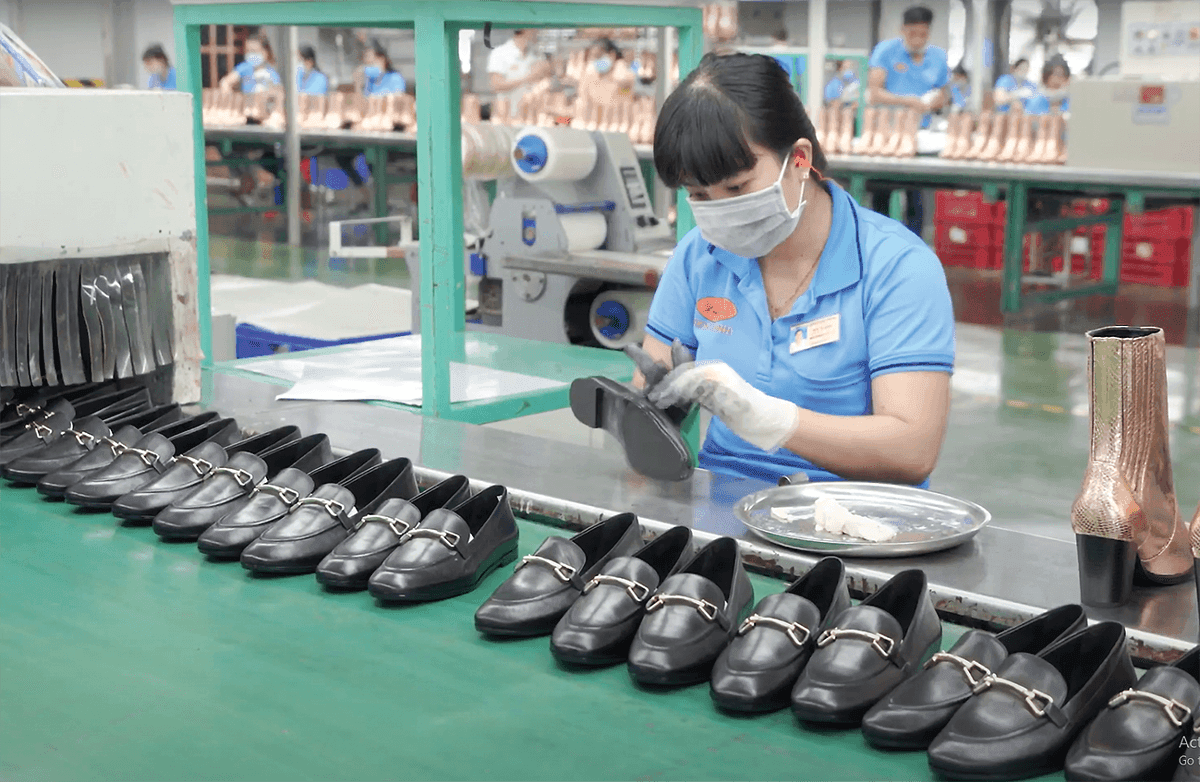
Vietnam’s footwear industry and leather goods sector remained a key global hub in 2025, with Lefaso confirming Vietnam as the world’s third-largest footwear producer and second-largest exporter. The sector comprises about 3,000 enterprises and nearly 1.5 million workers, supplying around 1.3–1.4 billion pairs annually. Total export value in 2025 approached USD 29 billion, up roughly 5% from 2024.
FDI-led enterprises continued to drive exports in 2025, reaching USD 22.82 billion and accounting for about 80% of the sector’s outbound shipments, up 17% year-on-year. Domestic companies exported USD 5.84 billion, a 29% increase from 2024, indicating deeper domestic participation in global supply chains and continued resilience in the leather goods segment.
One of the main drivers is the effective use of Free Trade Agreements (FTAs). About 90–95% of production is exported, making exports central to the industry’s business model. Tariff advantages and improved competitiveness supported by FTAs including EVFTA, CPTPP, and RCEP have helped firms maintain and stabilize orders in key markets such as the US, EU, China, Japan, and Korea.
Despite export momentum, the sector faces pressure from rising input costs and green/technical barriers. The price of polypropylene increased by 5 cents per pound due to supply disruptions, squeezing margins—particularly in the mid-market segment. Labor costs are also rising, weakening competitive pricing, while demand growth remains modest and competition from China, India, and Indonesia tightens margins.
Meeting stricter environmental, traceability, and social responsibility standards requires significant investment in management systems and supply-chain transparency. Standards referenced include REACH, ZDHC, and the Higg Index. Lefaso notes that these requirements are especially challenging for SMEs with limited resources.
Domestic content localization is around 55%, concentrated in lower value-added stages. This structure complicates compliance with origin rules under FTAs and increases the burden of traceability requirements. It also leaves firms more exposed to global supply-chain volatility and policy shifts in supplier countries.
Lefaso advocates a cohesive policy package to address these constraints. The proposals include state support for sustainable policy frameworks, a clearer transition from OEM-focused production to higher value-added activities, and deeper integration into global value chains.
Administrative reform is also highlighted, particularly to simplify procedures related to the environment, chemicals, and technical inspections, given the sector’s chain-based production model and large-order characteristics. Policies should encourage investment in downstream capabilities such as tanneries, outsoles, and accessories through specialized industrial parks, supported by incentives in credit and land to gradually raise domestic content and strengthen origin compliance under FTAs.
Government and industry are expected to co-operate to promote green production and a circular economy—reducing chemical exposure, conserving energy, and cutting emissions to meet international standards. Diversifying markets to Asia and Africa and shifting from pure OEM toward developing Vietnamese footwear design and branding are also identified as essential steps for sustainable, value-driven growth and reducing dependence on low-cost manufacturing.
Export momentum remained strong in early 2026, with reporting noting that Vietnam’s footwear sector has maintained its global position despite ongoing challenges, including price pressures and evolving regulatory environments.







Premium gym chains are entering a “golden era” that is ending or already in decline, as rising operating costs collide with shifting consumer preferences toward more flexible, community-based ways to exercise. Long-term memberships are shrinking, margins are pressured by higher rents and facility expenses, and competition from smaller, more personalized…