•
•
•
•
•
•
•
•
•
•
•
•
•
•
•
•
•
•
•
•
•
•
•
•
•
•
•
•
•
•
•
•
•


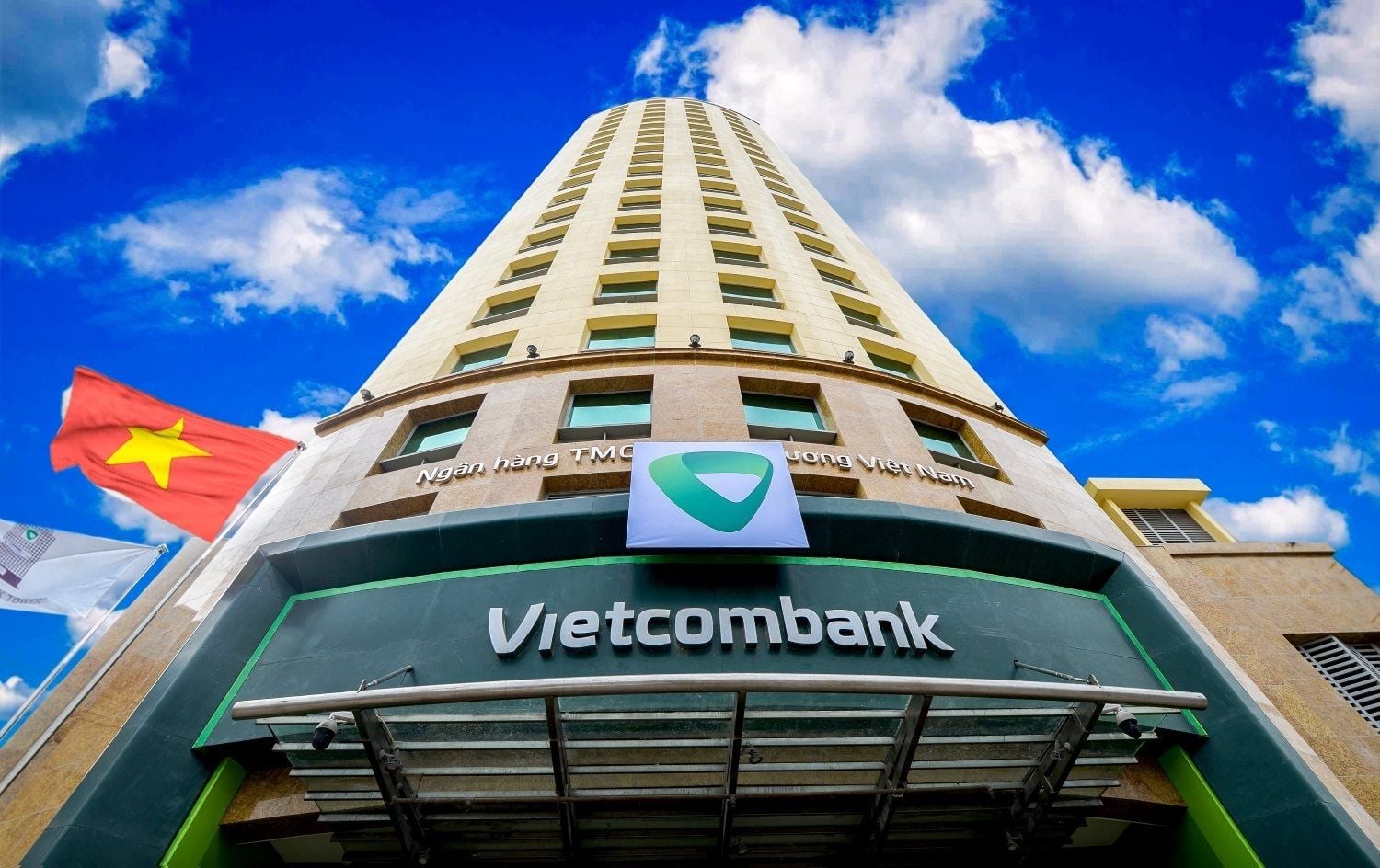
Vietcombank plans to submit to shareholders a proposal to issue more than 1.068 billion bonus shares, each with a par value of 10,000 dong. The issuance would correspond to a maximum total value at par of about 10.687 trillion dong, with all shares allocated to existing shareholders in proportion to their current holdings.
The bank expects the capital increase to be implemented in 2026. The exact timing would be determined by the Board of Directors after approval by the General Meeting of Shareholders. After issuance, the additional shares will be registered with the Vietnam Securities Depository and Clearing Corporation and listed on HoSE once required procedures are completed.
Vietcombank said the increase in charter capital is intended to strengthen its financial capacity and meet Basel III capital adequacy requirements. The bank also cited the need to create capacity for business expansion, invest in digital transformation, and modernize operations.
The bank described the move as an important step toward its strategic goals by 2030, including aiming to be among the 100 largest banks in Asia and to play a “cornerstone” role in the economy.
Increasing charter capital, Vietcombank said, would help it expand lending to support the economy, maintain reasonable lending rates, and participate in addressing weak credit institutions in line with government and State Bank guidance.
The bank also emphasized that issuing shares from shareholder equity does not change the ownership ratio of existing shareholders.
At its 2025 annual general meeting, Vietcombank approved a separate plan for a private placement of up to 543.1 million shares to up to 55 investors, including strategic and professional securities investors. The total par value of that private placement was about 5.431 trillion dong. The bank indicated that the plan was expected to be implemented in 2025–2026 but has not yet been executed.
Vietcombank said pursuing multiple capital-raising options at the same time reflects the pressure and need for additional capital as it maintains high growth while meeting increasingly stringent capital adequacy standards.
As of now, Vietcombank’s charter capital stands at more than 83.556 trillion dong, the highest level in the banking sector.






Premium gym chains are entering a “golden era” that is ending or already in decline, as rising operating costs collide with shifting consumer preferences toward more flexible, community-based ways to exercise. Long-term memberships are shrinking, margins are pressured by higher rents and facility expenses, and competition from smaller, more personalized…




