•
•
•
•
•
•
•
•
•
•
•
•
•
•
•
•
•
•
•
•
•
•
•
•
•
•
•
•
•
•
•
•
•


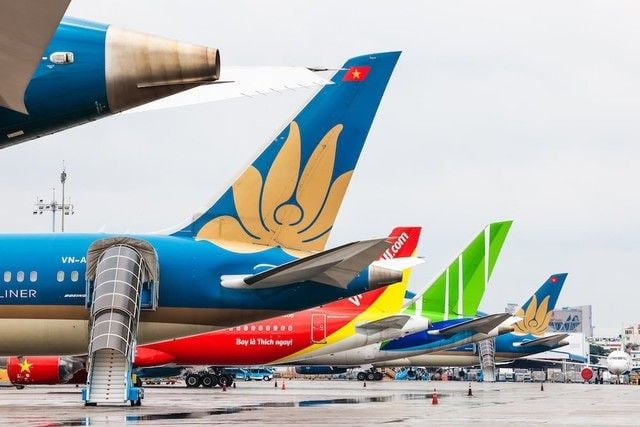
Rising aviation fuel costs linked to the Middle East conflict were discussed at a meeting of the Civil Aviation Authority of Vietnam (CAAV) with aviation sector units, as authorities sought measures to limit disruption to air transport and prevent ticket prices from rising beyond consumer budgets.
On the morning of March 9, the CAAV Director chaired the meeting to review responses to higher aviation fuel prices caused by the conflict. The head of the CAAV Aviation Transport Department said Jet A1 prices have tripled compared with the period before the conflict, which is expected to increase airlines’ costs by 60–70%.
Representatives from domestic fuel importers said they have searched for near-term supply sources, but difficulties remain due to global factors. They urged the CAAV to report to the government and foreign ministries to advocate for support and to complete signed orders and deliveries already awaiting shipment to Vietnam to meet urgent domestic needs.
The fighting has severely affected many Europe–Asia routes through the Gulf, disrupting both passenger travel and the movement of goods and supplies by air. The disruption has also led to large-scale changes to the global flight network, with many international airlines cancelling or adjusting schedules.
In Vietnam, domestic fuel suppliers face challenges in maintaining supply for aviation operations. The rise in Diesel prices is also reported to affect airport operations.
The conflict has contributed to regional airspace closures, disrupting international air connectivity and forcing airlines to adjust travel plans, extend flight times, and incur higher operating costs.
Vietnam Airlines said operating costs could double if fuel prices rise to around 200 USD per barrel. The airline also stated that fuel supply in April will be very difficult, so it will use reserves from March and implement fuel-saving measures to meet part of April’s demand.
With some Middle Eastern airlines suspending operations, Vietnam Airlines adjusted some routes to Europe and added about 30 flights to help ease passenger backlogs in Vietnam and on the return leg.
To address near-term difficulties, Vietnam Airlines proposed that authorities consider exempting environmental protection taxes on aviation fuel. The airline also urged the CAAV to advocate internationally for flexible mechanisms similar to those applied during the Covid-19 period, alongside measures such as slot allocation.
The CAAV proposed that airlines actively communicate with passengers, fulfill contractual commitments, review and adjust operating plans, and strictly settle payments with fuel suppliers. Domestic fuel suppliers were asked to maintain supply plans for aviation fuel, while airport operators should coordinate measures to reduce costs and optimize operations for airlines.
Policy proposals discussed include seeking support mechanisms such as fuel import tax relief, environmental tax relief, VAT relief, aviation charges relief, and credit policy support to help maintain air transport operations during the 30/4–1/5 holiday and peak summer 2026.
Additional proposals include asking the Ministry of Construction to brief the government on suitable support mechanisms, and requesting the State Bank to implement monetary policy stability and potentially expand credit lines to support fuel importers and airlines.
The Ministry of Industry and Trade and fuel downstream units (including Petrovietnam, Petrolimex, and refineries) were also urged to coordinate to maintain Jet-A supply, stock Jet-A1 for at least 2–3 months, and ensure import readiness.
The CAAV Director called on sector entities to continue cooperating, prioritize safety, flexibly operate flights, proactively inform passengers, and respond to fuel-price increases with appropriate measures to optimize civil aviation operations in Vietnam.

Premium gym chains are entering a “golden era” that is ending or already in decline, as rising operating costs collide with shifting consumer preferences toward more flexible, community-based ways to exercise. Long-term memberships are shrinking, margins are pressured by higher rents and facility expenses, and competition from smaller, more personalized…