•
•
•
•
•
•
•
•
•
•
•
•
•
•
•
•
•
•
•
•
•
•
•
•
•
•
•
•
•
•
•
•
•


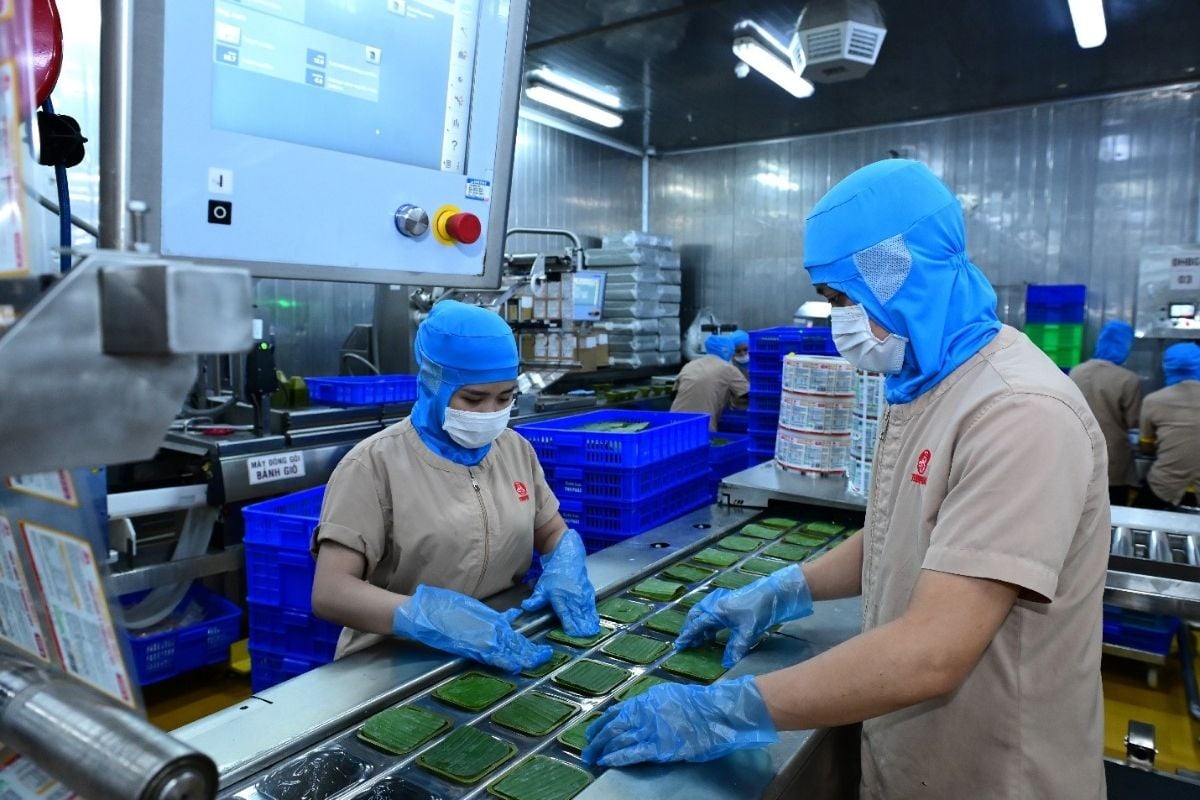
Tho Phat is investing in production infrastructure and packaging technology to support global exports and meet international food safety standards.
The move from manual production to industrial-scale operations is increasingly seen as an inevitable trend in Vietnam’s food industry. With the aim of becoming a leading provider of essential foods rooted in Vietnamese culinary culture, KIDO Group and the Tho Phat brand are expanding through systematic investment in production infrastructure and packaging technology.
To implement its quality-raising ambition, Tho Phat operates a large-scale manufacturing plant in Hiep Phuoc Industrial Park, Ho Chi Minh City, covering more than 22,000 square meters. The facility supports the installation of automated modern production lines and functions as a hub for a robust cold-chain supply system.
Unlike production models that separate stages, Tho Phat’s plant enables tighter control across the full process—from raw material processing to final product packing in a tray—using stringent procedures. The company states that this approach helps each banh gio reaching the market weigh 160g and retain its familiar flavor.
The plastic tray technology is positioned as a key factor in optimizing transport and improving food safety and hygiene.
As part of its market expansion strategy, Tho Phat treats international food safety certifications as a prerequisite. The company has invested to bring the plant up to standards currently recognized in Europe and the United States, including BRC and FSSC 22000.
The sealed plastic-tray technology has also obtained BPA Free safety certification, reflecting a focus on consumer health and packaging regulations in demanding global markets.
According to the article, these efforts help the product strengthen its position in modern distribution channels (MT) and in more than 200 domestic miniBAO stores, while also supporting access to international markets.
Packaging modernization is described as delivering benefits for both producers and retailers. The technology extends shelf life to 30 days, enabling distributors and supermarket chains to reduce spoilage and improve profitability.
From an economic perspective, the plastic-tray banh gio transformation is presented as an example of innovation applied to a traditional product. The article says the company’s continued improvement and use of high technology help preserve the essence of tradition while enhancing the consumer experience through greater convenience, safety, and nutrition.
This is described as providing a foundation for the 38-year-old national brand to continue leading Vietnam’s dumpling and steamed bun sector and expand its presence on the global food map.


Premium gym chains are entering a “golden era” that is ending or already in decline, as rising operating costs collide with shifting consumer preferences toward more flexible, community-based ways to exercise. Long-term memberships are shrinking, margins are pressured by higher rents and facility expenses, and competition from smaller, more personalized…




