•
•
•
•
•
•
•
•
•
•
•
•
•
•
•
•
•
•
•
•
•
•
•
•
•
•
•
•
•
•
•
•
•


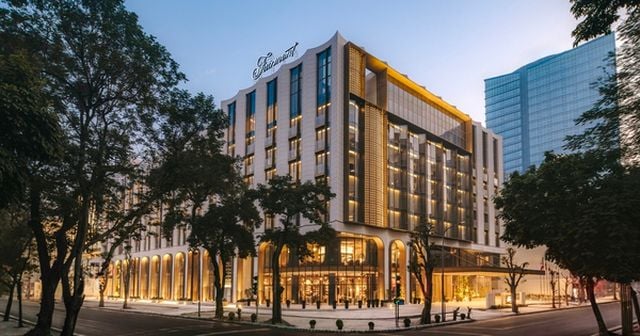
Global CEO of Fairmont Hotels & Resorts, Omer Acar, discussed Vietnam’s prospects for luxury travel in Southeast Asia, the factors driving growth, and the company’s long-term strategy for the market.
While Vietnam has long been known as an accessible destination, Acar said a clear shift is underway toward more sophisticated travel where experiences are central. He pointed to Vietnam’s cultural depth, unique identity, and authenticity as qualities increasingly valued by high-end travelers.
For Fairmont, entering the market at the right time is critical. Acar described Vietnam as undergoing a strong transformation on the global tourism map, creating growth opportunities and enabling the brand to help set new hospitality standards.
He added that luxury is increasingly defined not by price, but by the quality of the experience—an approach he said aligns with Fairmont’s brand philosophy.
Acar said Vietnam is emerging as one of the most attractive destinations in Southeast Asia in the upscale segment. Although it remains in earlier stages compared with some long-established markets, he argued that this also creates appeal: a destination with more to explore, strong authenticity, and significant growth potential.
He cited key fundamentals including cultural heritage, diverse landscapes, a high-end culinary scene, and improving international connectivity. Together, these factors are gradually moving Vietnam closer to becoming a must-experience destination for global travelers seeking journeys with depth and meaning.
Acar said air connectivity remains the core driver of Vietnam’s ability to attract high-end guests. He noted that opening direct routes—especially from distant markets—improves accessibility and increases appeal to the global luxury client base.
He also highlighted visa policies, saying convenient and flexible entry procedures help create a seamless experience, which is particularly important for this customer segment.
In addition, large-scale infrastructure projects in Hanoi and Ho Chi Minh City are expected to raise both capacity and the quality of the guest experience from the first touchpoint. He emphasized that infrastructure extends beyond airports and transport, and includes how the entire journey—from arrival to stay to exploration—is connected.
Overall, Acar said Vietnam’s coordinated transformation is reinforcing its position as a high-end, increasingly polished destination.
Acar said Vietnam’s biggest difference versus Thailand or Singapore is authenticity and a sense of discovery—values he described as increasingly rare in markets that have developed for longer. He said this creates a unique appeal for travelers seeking personalized experiences with cultural depth.
He also pointed to Vietnam’s diversity, from iconic Hanoi to developing beachfront destinations, enabling flexible itineraries tailored to different high-end needs.
At the same time, Acar said Vietnam will need to continue improving service standards consistency and strengthen its position on the global luxury travel map. He added that international brands such as Fairmont can contribute by setting benchmarks and elevating the overall experience.
Acar described Vietnam’s domestic luxury customers as highly experienced, discerning, and increasingly demanding. He said they no longer seek symbolic luxury as mere status, and instead want personalized, unique, meaningful experiences.
He also noted a growing segment of domestic high-end customers seeking to re-discover their culture and identity through a refined, elevated lens. He said the mix of international and domestic travelers supports a dynamic where products can be globally oriented while remaining locally connected.
Acar said Fairmont’s approach treats authenticity as the core foundation of the product rather than an add-on. He said Fairmont Hanoi will reflect Hanoi itself, drawing on the city’s culture and spirit through design, storytelling, cuisine, and experiences.
He added that the differentiator is elevating local elements and integrating them with international standards to deliver experiences that are both intimate and refined. Fairmont Hanoi plans to use curated cultural activities, collaborations with local artists, and distinctive culinary journeys to provide guests with a deeper and more memorable view of Hanoi.
Acar said Fairmont sees substantial potential in building a diverse project portfolio in Vietnam, including urban hotels, resorts, and supporting models such as branded residences. He cited the combination of growing international demand and Vietnam’s expanding upper-tier consumer base as a foundation for long-term growth.
On sustainable luxury travel, he said it requires a long-term view and careful balance. He emphasized preserving the destination’s core values—culture, heritage, and the natural environment—while upgrading infrastructure and service standards in a coordinated way. He also said public-private collaboration is crucial to building a sustainable ecosystem.
He concluded that premium destinations do not form overnight, describing them as the result of a long nurturing process.
Acar said Fairmont sees itself as a long-term partner in Vietnam’s development journey. He described Fairmont as more than a hotel brand, saying it contributes to cultural and social life in its destinations.
He said Fairmont’s projects aim to be iconic destinations—hosting guests while also serving as spaces that connect communities and tell meaningful cultural stories. With Fairmont Hanoi, he said the goal is to create a destination with real meaning and support the long-term growth of Vietnam’s luxury travel sector.

Premium gym chains are entering a “golden era” that is ending or already in decline, as rising operating costs collide with shifting consumer preferences toward more flexible, community-based ways to exercise. Long-term memberships are shrinking, margins are pressured by higher rents and facility expenses, and competition from smaller, more personalized…