•
•
•
•
•
•
•
•
•
•
•
•
•
•
•
•
•
•
•
•
•
•
•
•
•
•
•
•
•
•
•
•
•


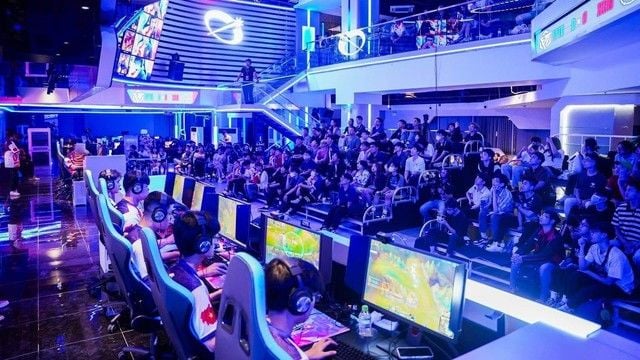
According to international experts, Vietnam is no longer merely a potential market but has actually transformed into a tightly structured ecosystem over the past five years. Vietnam is now one of the most dynamic Esports markets globally, thanks to a young population that is digitally savvy. The enthusiasm of the domestic fan base not only creates domestic influence but also contributes positively to the global ecosystem, particularly in mobile gaming and traditional titles such as League of Legends. In this context, Hans Jagnow notes that the first key to commercial success is excellence in competition. He argues that Esports is akin to traditional sports and commercial value only truly explodes when athletes reach international level. He adds that the global-stage successes will generate inspiring stories, attracting not only domestic audiences but also international market attention. As Vietnam asserts its position, teams such as GAM Esports and domestic partners will have direct access to large pools of capital, for example the $20 million package from the Club Partner Program of EWC. This is a direct financial resource to help strengthen infrastructure and reinvest in the domestic market. Through specialized development structures such as the ENC tournament, Vietnam has a rare opportunity to standardize domestic infrastructure. Building a national-team model not only raises technical standards but also opens new commercial opportunities through image rights and long-term sponsorship deals. According to Ms. Phuong, as operating standards rise and coordination among stakeholders becomes more synchronized, Vietnam's Esports market will not stop at the $10 million figure and could go further in the global value chain.

Premium gym chains are entering a “golden era” that is ending or already in decline, as rising operating costs collide with shifting consumer preferences toward more flexible, community-based ways to exercise. Long-term memberships are shrinking, margins are pressured by higher rents and facility expenses, and competition from smaller, more personalized…