•
•
•
•
•
•
•
•
•
•
•
•
•
•
•
•
•
•
•
•
•
•
•
•
•
•
•
•
•
•
•
•
•


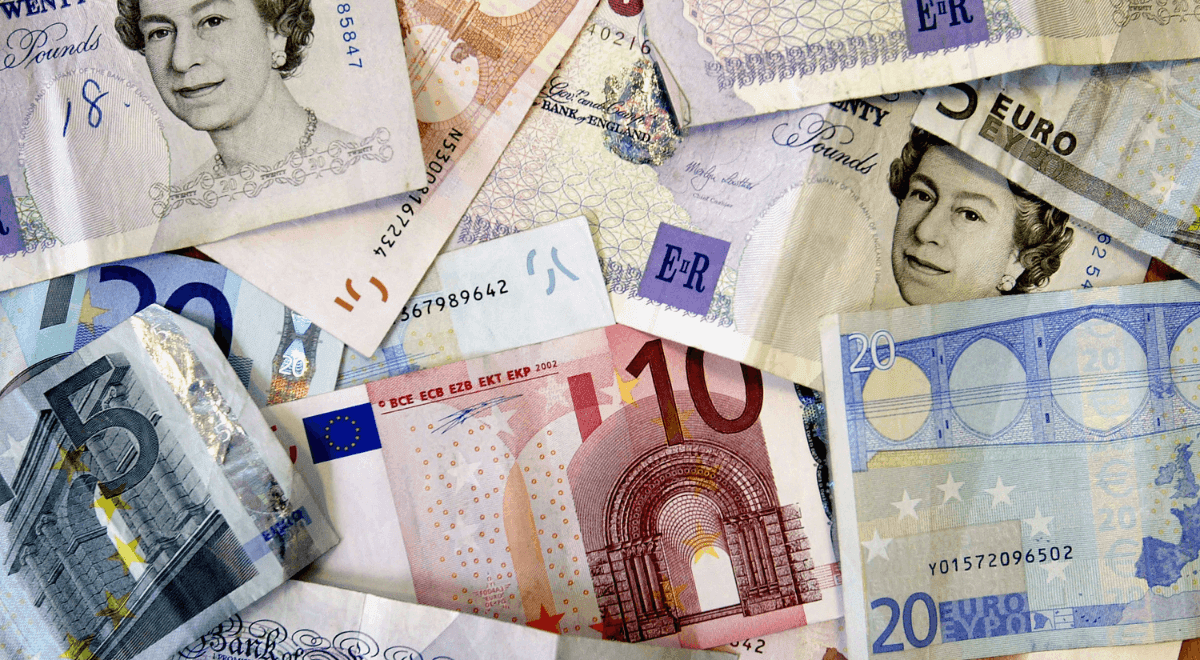
On April 30, the European Central Bank (ECB) and the Bank of England (BoE) both decided to hold interest rates, citing the dilemma posed by the impact of the war in the Middle East and its effects on energy prices and inflation risks.
The ECB kept its key policy rate at 2%, stating that its assessment of inflation prospects remains broadly unchanged. It said, however, that inflation risks have risen and growth risks have increased sharply.
The ECB pointed to the US-Iran conflict as a factor driving energy prices higher, which is lifting inflation pressures and weighing on economic sentiment. It added that the medium-term impact on inflation and economic activity will depend on the intensity and duration of the energy price shock, as well as the size of indirect and secondary effects.
In its statement, the ECB reaffirmed its commitment to ensure inflation stabilizes around 2% in the medium term. It also said it would monitor conditions closely and decide at each meeting based on incoming data rather than pre-committing to a rate path.
Preliminary data released on April 30 showed euro-area annual inflation rising to 3% in April from 2.6% in March, mainly driven by higher energy prices. Euro-area quarterly growth in Q1 was 0.1% year-on-year, indicating modest momentum.
At a press conference, ECB President Christine Lagarde said domestic demand remains the main growth engine, supported by a solid labor market. She also said the outlook is uneven and will depend on how long the Middle East war lasts and how it affects commodity markets and global supply chains.
Some economists expect the ECB could raise rates by 0.25 percentage points at the June meeting. Others cautioned that the ECB should be careful about further hikes given signs of a slowdown and weakening consumer confidence.
Mark Wall, Deutsche Bank’s European chief economist, said the ECB appears calm, noting the economy has shown resilience in recent quarters and inflation expectations remain well anchored. He added that, unlike the 2022 energy shock, euro-area fiscal policy is tighter now and the labor market has softened, which may dampen secondary effects from high energy prices. Still, with inflation rising and energy supply disruptions continuing, he said the ECB could begin a rate-hiking cycle in June, with future moves depending heavily on upcoming inflation and wage data.
On the same day, the BoE kept rates at 3.75%, a decision broadly aligned with expectations. The BoE said the Middle East war is expected to continue pushing energy prices higher, and it acknowledged that monetary policy has limited ability to offset that pressure.
The BoE said: “The Middle East conflict means the global energy outlook remains uncertain. Monetary policy cannot set energy prices, but can ensure that the economy adjusts to high energy prices in a way that sustainably achieves the 2% inflation target.”
Its scenario analysis suggested inflation could rise to 3.5% by year-end before easing. In a worst-case scenario, inflation could reach 6.2% in early 2027 and remain above the 2% target through 2029. Under that worst-case, the BoE indicated rates could rise to around 5.25% by 2027, with higher rates helping cap inflation but increasing the risk of slower growth or a recession.




Premium gym chains are entering a “golden era” that is ending or already in decline, as rising operating costs collide with shifting consumer preferences toward more flexible, community-based ways to exercise. Long-term memberships are shrinking, margins are pressured by higher rents and facility expenses, and competition from smaller, more personalized…