•
•
•
•
•
•
•
•
•
•
•
•
•
•
•
•
•
•
•
•
•
•
•
•
•
•
•
•
•
•
•
•
•


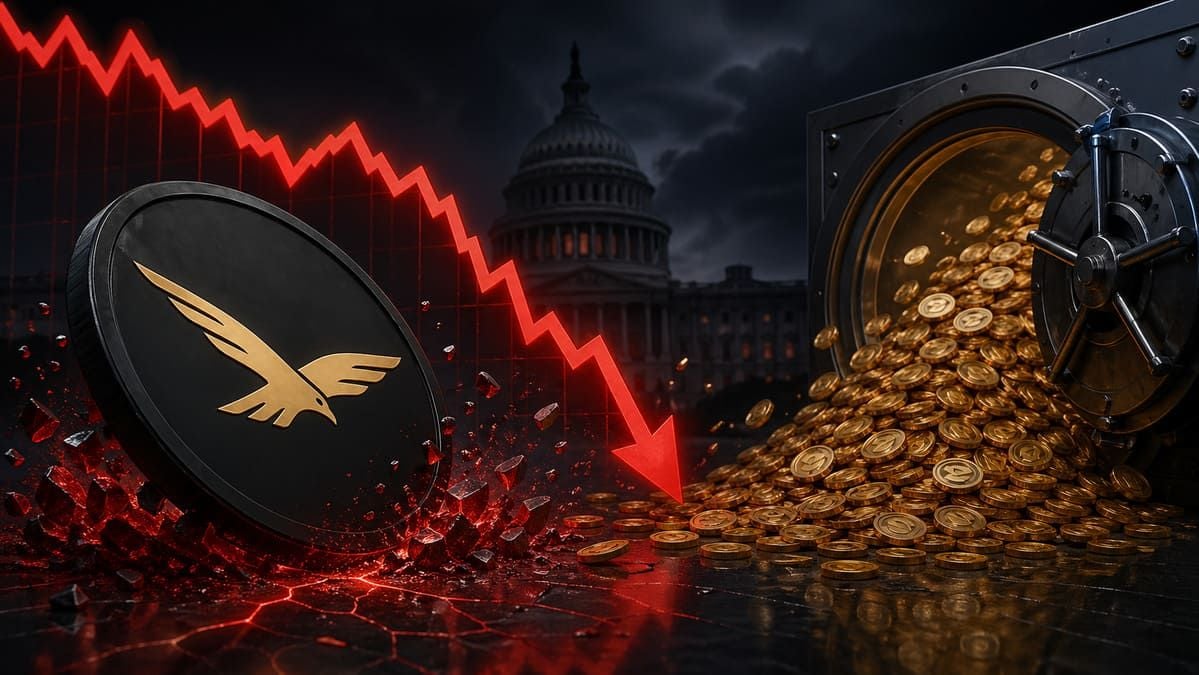
World Liberty Financial has submitted to a community vote a proposal to restructure the unlock schedule for 62.282 billion WLFI tokens held by early investors and insiders.
The initiative, originally presented on April 15, would require founders, team members, and partners to burn 10% of their holdings—about 4.5 billion WLFI tokens—before releasing the remaining 40.7 billion under a five-year schedule.
Under the plan, an initial waiting period of two years would apply, and no tokens would reach the market before that minimum timeframe.
Following the proposal, WLFI saw a sharp correction. According to CoinMarketCap data, the token is trading at $0.05984, down 9.4% over the last 24 hours.
On a weekly basis, the accumulated loss amounts to 23%, while over the past month the decline is around 39%. Trading volume over the last 24 hours surged 87% and exceeds $144 million, reflecting heightened market turmoil after the proposal was introduced.
Although 99.95% of votes supported the proposal and the quorum of 1 billion tokens was widely surpassed, governance of the project is concentrated among a small number of participants.
The largest wallet represents nearly 13% of votes cast, and the top four wallets control around 40% of the total voting power within WLFI, giving them the ability to effectively determine the outcome.
The proposal also faced heavy criticism outside the voting process. Simon Dedic, founder of Moonrock Capital, compared it to a rug pull and questioned whether the unlock period aligns with the remainder of Donald Trump’s term as President of the United States. Justin Sun, founder of Tron and a WLFI holder, described it as one of the “most absurd” proposals he has ever seen.
Sun is also involved in a legal dispute with the project over allegations that his tokens were frozen and that he lost governance rights. World Liberty Financial has rejected those accusations.
The vote remains open until May 7. The project’s team said the proposed structure is intended to ensure tokens remain in the hands of those “genuinely committed” to the future of the protocol.






Premium gym chains are entering a “golden era” that is ending or already in decline, as rising operating costs collide with shifting consumer preferences toward more flexible, community-based ways to exercise. Long-term memberships are shrinking, margins are pressured by higher rents and facility expenses, and competition from smaller, more personalized…



