•
•
•
•
•
•
•
•
•
•
•
•
•
•
•
•
•
•
•
•
•
•
•
•
•
•
•
•
•
•
•
•
•


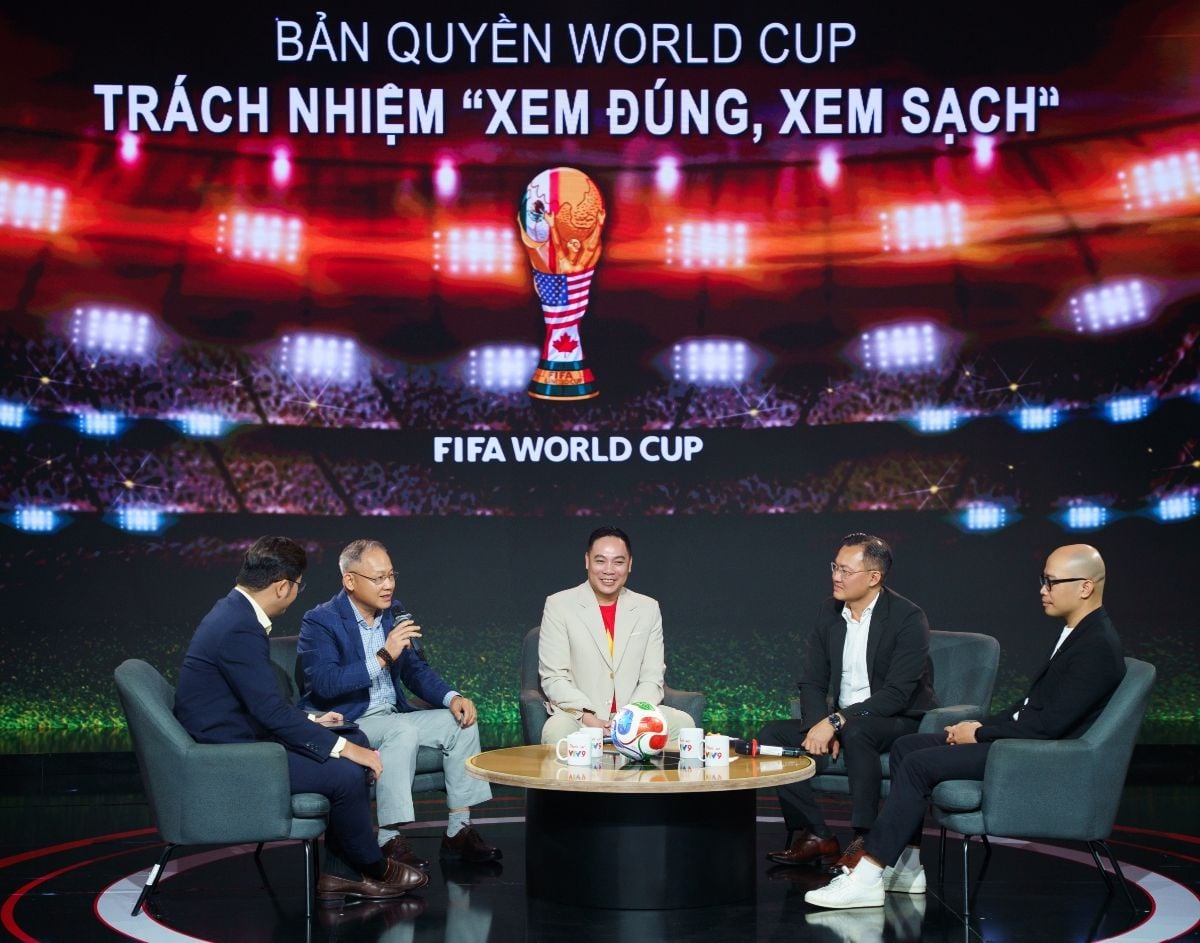
With Vietnam Television (VTV) becoming the sole holder of the broadcasting rights for the World Cup 2026, discussions around watching licensed football and the economic implications for Vietnam’s media and entertainment sector have moved to the forefront.
On April 29, 2026, the Vietnam Television Center for the Southern Region held a seminar titled “World Cup Rights: Watching correctly, watching legally,” as the FIFA World Cup 2026—hosted in the United States, Mexico, and Canada—approaches.
Nguyen Quang Sang, Deputy Director of the VTV9 Center in the Southern Region, said that VTV’s exclusive ownership of World Cup 2026 broadcasting rights is both a legal milestone and an important step in raising fans’ awareness of the value of licensed viewing.
He noted that, in a context where Vietnamese fans are accustomed to free viewing—even through pirate websites—exclusive rights will require a shift in public viewing habits. According to Mr. Sang, this change helps protect intellectual property and supports a more competitive environment for the sustainable development of sports and media industries.
VTV recently announced that it is the sole organization in Vietnam to own and implement the rights to broadcast 104 matches from 48 teams at the World Cup 2026.
Beyond television, internet, and mobile platforms, VTV also serves as the licensing hub for public screenings. Businesses that want to organize commercial screenings—such as restaurants, coffee shops, cinemas, or shopping centers—must obtain legal licenses to operate as official screening venues.
Le Phung Hao, a member of the Board of Directors of the Ho Chi Minh City Intellectual Property Association, said that choosing to watch at legally licensed broadcasting venues helps build a more civilized sports-watching culture in the community. He also described this as an opportunity for enterprises to apply legitimate Fan Zone models, develop the night-time economy, and strengthen a respectful sports-viewing culture.
At the seminar, experts agreed that rights ownership can create economic opportunities for businesses. Enterprises seeking to organize commercial screenings of World Cup 2026 are required to fully meet copyright obligations to become official screening venues.
Speakers emphasized that legal compliance not only ensures rights protection but can also enhance brand prestige and improve the customer experience. They said respect for copyright should be viewed as an asset that supports brand value and creates a healthier competitive advantage in the market.
However, realizing these benefits depends on cooperation among stakeholders, including regulators, enterprises, and consumers. VTV reaffirmed its willingness to work with individuals, businesses, and organizations to propose flexible and effective coordination solutions, aiming for an enjoyable World Cup and a strong summer for Vietnam’s media and entertainment industry.
The seminar framed exclusive rights as a necessary step to reshape Vietnamese viewers’ habits toward a more transparent digital content market that respects intellectual property and supports a fair, sustainable competitive environment.
Premium gym chains are entering a “golden era” that is ending or already in decline, as rising operating costs collide with shifting consumer preferences toward more flexible, community-based ways to exercise. Long-term memberships are shrinking, margins are pressured by higher rents and facility expenses, and competition from smaller, more personalized…




