•
•
•
•
•
•
•
•
•
•
•
•
•
•
•
•
•
•
•
•
•
•
•
•
•
•
•
•
•
•
•
•
•


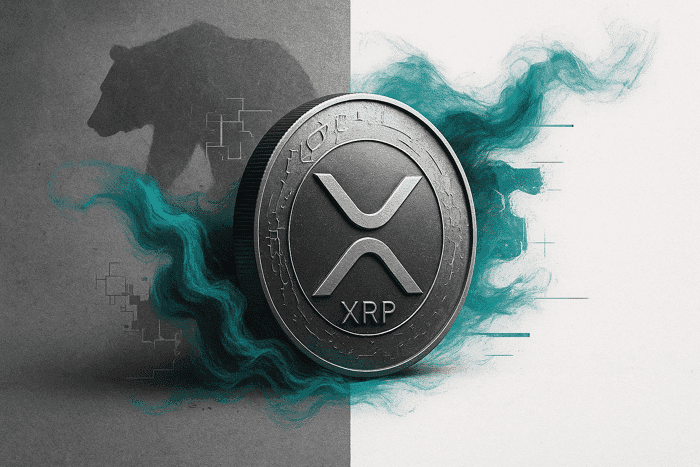
XRP slid as the Iran war jolted energy markets, triggering a broader risk-off move across equities and crypto. Investors cited concerns that higher fuel costs could re-ignite inflation and delay rate cuts. On Tuesday, March 3, the Ripple-associated token fell 1.90% to $1.36, trimming part of the prior day’s gains.
The Iran war is affecting markets through energy supply and shipping routes. Reports of disrupted tanker flows through the Strait of Hormuz—typically moving roughly a fifth of global crude and a similar share of LNG—have pushed traders to price in worst-case outcomes.
Qatar halted LNG output at Ras Laffan after strikes, while Saudi Arabia’s Ras Tanura refinery reportedly faced a partial shutdown following a drone attack, along with precautionary regional stoppages.
Higher energy prices feed into inflation expectations, which can keep bond yields elevated and reduce the likelihood of near-term rate cuts. That backdrop is generally less supportive for high-beta assets like XRP, particularly when yields rise and risk sentiment weakens.
Federal Reserve presidents John C. Williams and Neel Kashkari are scheduled to speak, adding a potential rate-catalyst alongside the oil shock. If they signal less willingness to tolerate energy-driven inflation, rate-cut odds could fall, yields could rise, and XRP could remain pressured alongside broader risk assets.
Despite XRP’s pullback, US-listed spot XRP ETFs recorded their largest one-day net inflow in about a month. SoSoValue data showed daily total net inflows of $6.97 million, lifting total net assets to about $1.02 billion. On the same dashboard, XRP hovered near $1.39.
The inflows suggest some investors used the dip to add exposure through regulated ETF wrappers, potentially absorbing supply that might otherwise weigh on spot markets during volatile macro sessions.
XRP is trading in a market where altcoins are under heavy pressure. CryptoQuant data indicated that about 38.8% of altcoins are trading near their all-time lows—worse than shortly after the FTX collapse (about 37.8%) and higher than the April 2025 stress peak (about 35%).
In such conditions, capital often rotates away from riskier coins toward “safer” assets such as Bitcoin, cash, or commodities. The article notes that rallies in XRP may not sustain if traders sell into rebounds to reduce risk. The potential upside would come if fear fades, oil cools, bond yields stop rising, and rate-cut expectations return—conditions that typically bring money back to larger, more liquid altcoins first.
JPMorgan said a US “crypto market structure” bill could be approved by mid-year, which it views as a positive catalyst for digital assets in the second half. The bank said clearer rules could reduce uncertainty around how tokens are treated and how crypto platforms operate, potentially making it easier for institutions to participate.
For XRP, the note highlighted that regulatory clarity could lower headline risk and improve demand during risk-on periods. JPMorgan also cautioned that the timing is not certain and depends on the political path in Congress.
Technically, XRP’s chart is described as showing a bearish continuation setup. On the daily timeframe, price is consolidating into what appears to be a bear pennant formed after an early-February selloff. The pattern is characterized by lower highs while XRP holds a relatively flat floor around $1.30–$1.35, reflecting demand absorbing selling but not yet reversing the broader trend.
If XRP breaks decisively below the pennant support, technicians typically use a “measured move” based on the prior drop. That approach places a downside target near $0.86, or roughly 35% below current levels around $1.36.





Premium gym chains are entering a “golden era” that is ending or already in decline, as rising operating costs collide with shifting consumer preferences toward more flexible, community-based ways to exercise. Long-term memberships are shrinking, margins are pressured by higher rents and facility expenses, and competition from smaller, more personalized…




