•
•
•
•
•
•
•
•
•
•
•
•
•
•
•
•
•
•
•
•
•
•
•
•
•
•
•
•
•
•
•
•
•


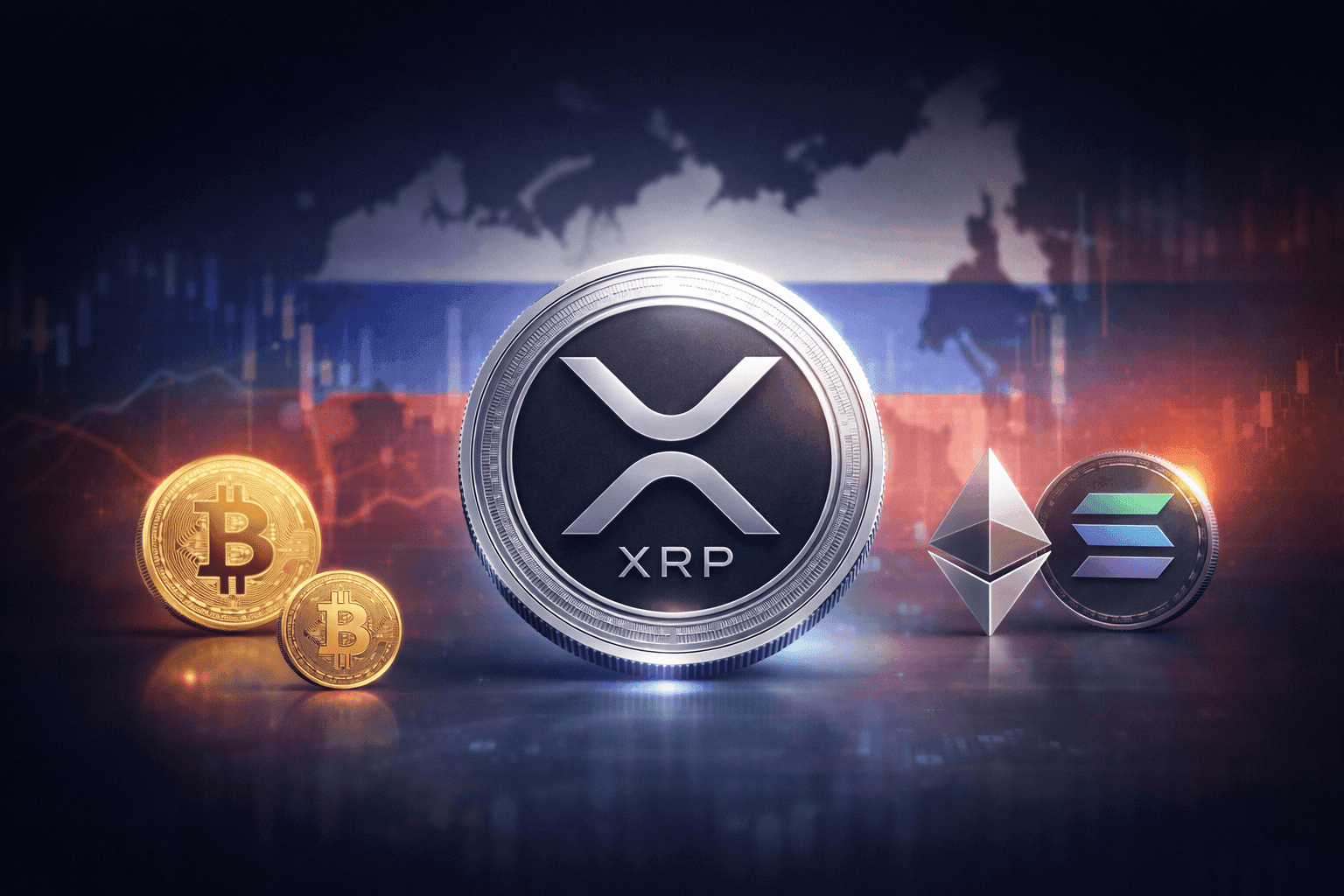
XRP has moved above the market-cap bar set in Russia’s draft crypto bill, placing it among large digital assets that meet the proposal’s size requirement based on current data.
CoinCodex estimates XRP’s market value at about $86 billion on March 25, which is above the bill’s quoted threshold of roughly 5 trillion rubles (about $60 billion). Current summaries of the Russian draft also identify Bitcoin, Ether, and Solana as tokens that satisfy the broader size standard now under discussion.
XRP is trading above the bill’s market-cap threshold using live market data. The draft is designed to admit only large, liquid assets into Russia’s proposed domestic trading regime, and on size alone XRP would fall within the category of assets that could be reviewed under the draft.
The draft does not rely on market value alone. Coverage of the bill says the screening process also includes a two-year average daily trading volume test of about 1 trillion rubles (roughly $12 billion), along with a multi-year public trading record. Current reporting names BTC, ETH, SOL, and XRP as the assets meeting those broader benchmarks.
At the time of reporting, XRP traded at $1.41 after posting a 1% gain over the past 24 hours. XRP’s 24-hour trading volume rose by more than 4% to $2.16 billion.
Russia’s proposed “Digital Currency and Digital Rights” framework would give the Bank of Russia authority to approve which digital assets may circulate in the domestic market. The draft has advanced through the government commission stage ahead of parliamentary review.
Under the draft’s approach, Russia is not opening the door to the full crypto market. Instead, it is building a narrow channel for a short list of large assets with deep liquidity and long trading histories. That is why BTC, ETH, SOL, and XRP remain the main reference points in coverage of the bill.
The bill also sets limits on who can buy and what can be traded. Reports say retail investors would face an annual purchase cap of about $4,000, while privacy-focused coins could be blocked from the approved market. The framework is therefore aimed at monitored trading rather than broad access across the sector.
For XRP, the structure matters because the asset already has the scale to remain in regulators’ view as Russia defines which tokens could be treated as eligible for a legal domestic market.
Russian lawmakers are working toward a midyear deadline for the core framework, with current reports pointing to parliamentary review by July 1, 2026. The timeline keeps attention on the next official text, where the final treatment of eligible assets, licensing rules, and enforcement measures should become clearer.
Separately, XRP has recently traded within a tight range as volatility on Binance fell to its lowest level of 2026. The decline in volatility suggested a compression phase, while steady buyer support around key levels has kept focus on a potential breakout.
Until then, XRP remains above the bill’s stated size threshold, positioning it as one of the notable large-cap assets in the discussion around Russia’s planned crypto market.







Premium gym chains are entering a “golden era” that is ending or already in decline, as rising operating costs collide with shifting consumer preferences toward more flexible, community-based ways to exercise. Long-term memberships are shrinking, margins are pressured by higher rents and facility expenses, and competition from smaller, more personalized…



