•
•
•
•
•
•
•
•
•
•
•
•
•
•
•
•
•
•
•
•
•
•
•
•
•
•
•
•
•
•
•
•
•


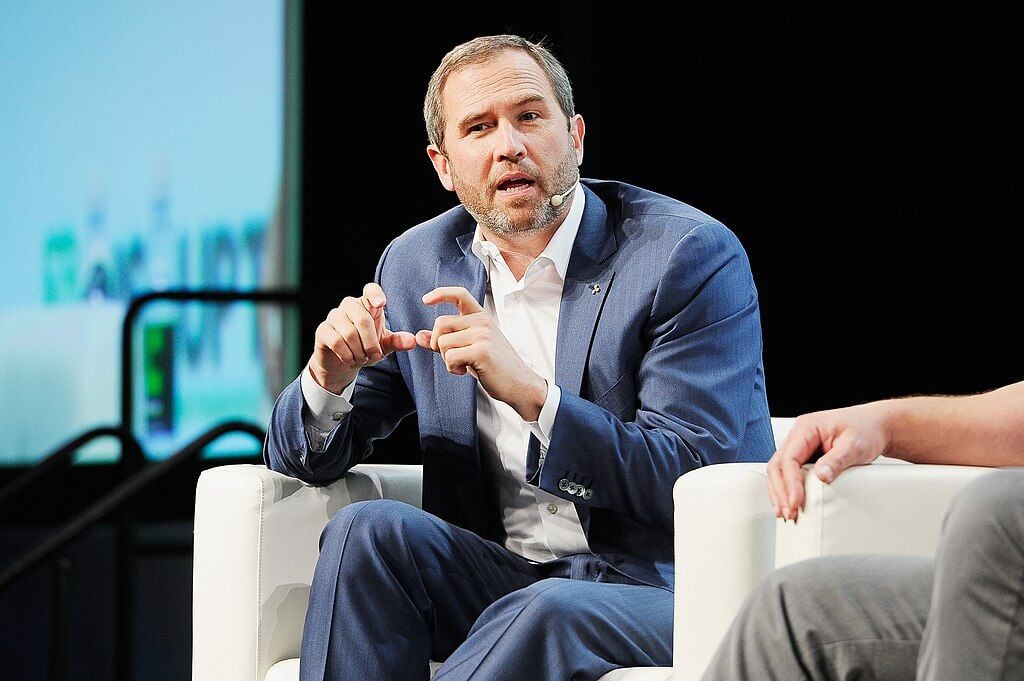
XRP rose more than 3% on Monday, moving back toward the $1.35 range after a broader crypto market selloff. The rebound coincided with renewed optimism from Ripple CEO Brad Garlinghouse about accelerating institutional demand for digital assets, particularly from traditional finance (TradFi) players.
In a post on X dated March 30, Garlinghouse argued that major global institutions are increasingly reconsidering cryptocurrencies, pushing back against earlier skepticism. He referenced Warren Buffett’s 2018 description of Bitcoin as “rat poison” and JPMorgan CEO Jamie Dimon’s recurring “pet rock” comparison, saying the current financial environment reflects a different reality.
Garlinghouse said some of the world’s largest companies are now exploring stablecoins and integrating digital assets, which he characterized as a turning point for mainstream adoption.
Garlinghouse also pointed to Ripple’s stablecoin, RLUSD, which recently surpassed the $1.5 billion milestone. He emphasized that Ripple’s strategy has centered on real-world utility, including partnerships with financial institutions worldwide to connect legacy finance with the emerging crypto economy.
He further addressed ongoing concerns around crypto market volatility and noted evolving regulatory guidance from the SEC and CFTC. During a Fox Business interview, Garlinghouse also discussed the potential impact of the CLARITY Act.
On the trading front, XRP moved between a 24-hour low of $1.30 and a high of $1.36. Trading volume increased 44%, signaling renewed interest from market participants.
Derivatives markets also reflected the bullish tone. Total XRP futures open interest rose 1.80% to $2.59 billion within four hours.
Analysts highlighted the 50-day moving average at $1.40 as the next resistance level. A breakout above that level could open the path toward $1.50. They also pointed to progress on the CLARITY Act in mid-April as a potential additional catalyst.







Premium gym chains are entering a “golden era” that is ending or already in decline, as rising operating costs collide with shifting consumer preferences toward more flexible, community-based ways to exercise. Long-term memberships are shrinking, margins are pressured by higher rents and facility expenses, and competition from smaller, more personalized…




