•
•
•
•
•
•
•
•
•
•
•
•
•
•
•
•
•
•
•
•
•
•
•
•
•
•
•
•
•
•
•
•
•
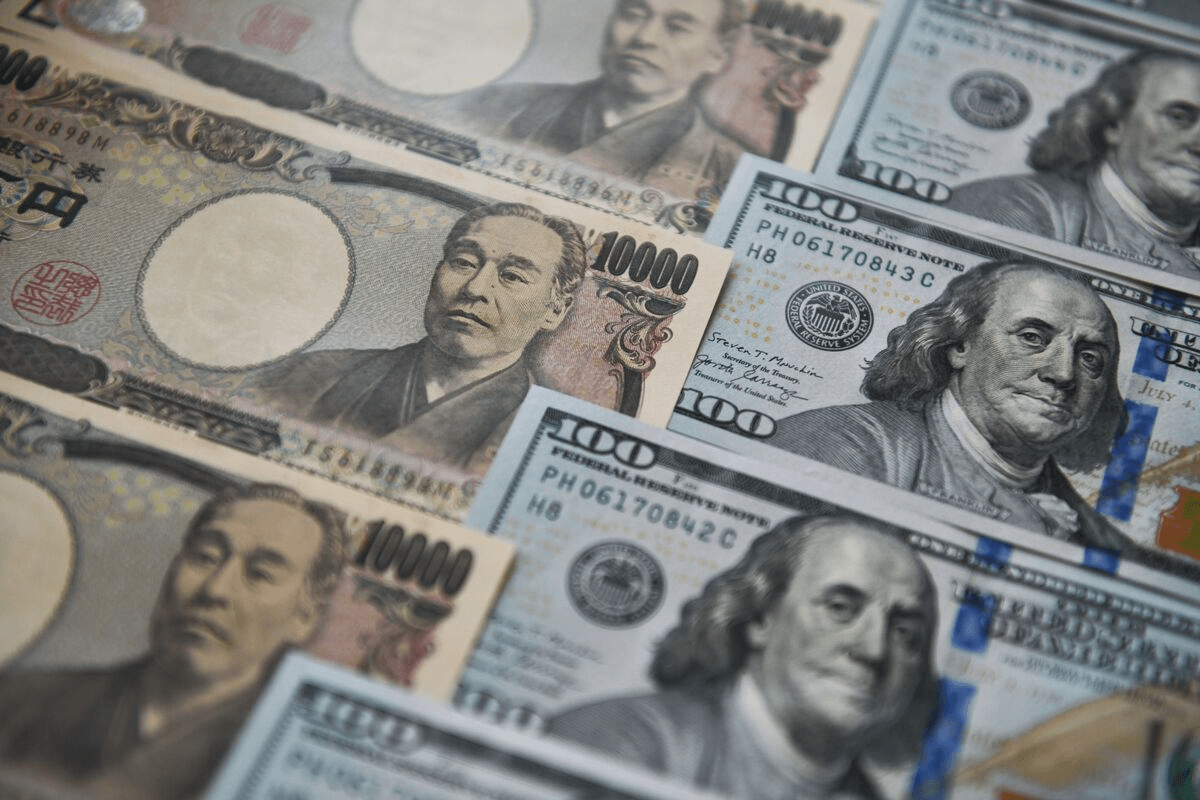
The Japanese yen strengthened in the morning session on May 7 after a sharp jump on May 6, a move that has renewed speculation that Japanese authorities may intervene again in the foreign exchange market.
Just after 9 a.m. Vietnam time, the yen traded at 156.24 per USD. At that level, the USD was down about 0.1% from the May 6 close, according to MarketWatch data.
During the May 6 session, the yen briefly strengthened from 157.8 per USD to 155 per USD within half an hour. By the end of trading, the yen was at 156.12 per USD, with the greenback down more than 1.1% versus the previous close.
Japanese officials have not publicly confirmed any yen-buying action. However, they have repeatedly warned in recent months about the possibility of intervention to defend the currency.
Reuters reported last week that Tokyo intervened, with market data indicating Tokyo sold around $35 billion to buy yen.
In addition, an unnamed trader told Reuters that large yen-buy orders around 156 per USD were placed on the EBS platform during the May 6 session.
The May 6 rally was described as at least the fourth time in five sessions that the yen strengthened unexpectedly. Compared with a week earlier, the yen has risen more than 2.5% against the USD.
“Clearly this is an intervention,” said Yuji Saito, a currency market adviser at SBI FX Trade in Tokyo, speaking to Reuters.
The speed of the yen’s retreat after the spike suggests that, if intervention occurred, the move met resistance from the market.
On Monday, Japan’s Finance Minister Satsuki Katayama continued to warn against shorting the yen, but officials did not confirm or deny the intervention speculation.
Analysts say the market still prices in the possibility that the Ministry of Finance could continue buying yen. A Reuters source said traders at intermediary banks were ready to receive intervention orders throughout Japan’s Golden Week holiday from May 1–6.
The May 6 yen rally coincided with a broader USD decline, as global markets hoped the US and Iran were moving toward a peace agreement.
Thomas Mathews, Asia-Pacific Markets Head at Capital Economics, said the timing could have been favorable for intervention because it might amplify yen gains. He also noted that low liquidity during holiday periods could have played a role.
Other analysts cautioned that the effects of intervention may not be sustainable. Many traders may view the yen’s rebound as an opportunity to build new short positions against the currency.
“With high energy prices and negative real rates in Japan, plus the continued attractiveness of the USD, Tokyo cannot expect a durable yen appreciation,” said Chris Turner, Global Markets Head at ING.
Turner added that an additional variable is whether the US Treasury could participate alongside Japan. He said a coordinated move to sell USD and buy yen would likely have a larger impact than Japan acting alone, and could indicate Washington’s support for Tokyo’s view that the yen is being targeted for excessive selling—potentially reinforcing perceptions that the USD is too strong.

Premium gym chains are entering a “golden era” that is ending or already in decline, as rising operating costs collide with shifting consumer preferences toward more flexible, community-based ways to exercise. Long-term memberships are shrinking, margins are pressured by higher rents and facility expenses, and competition from smaller, more personalized…