•
•
•
•
•
•
•
•
•
•
•
•
•
•
•
•
•
•
•
•
•
•
•
•
•
•
•
•
•
•
•
•
•


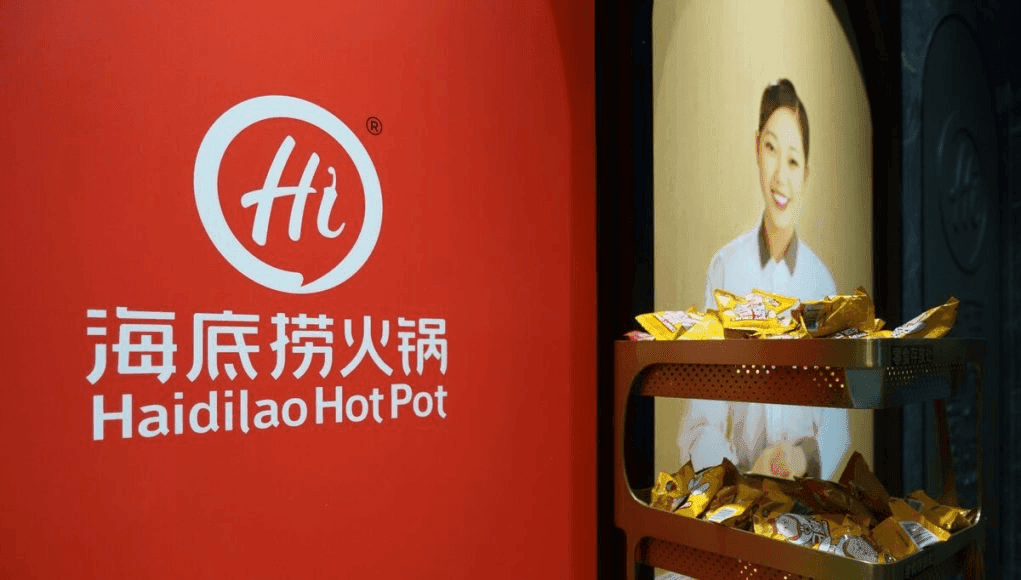
China’s Haidilao hotpot chain is pursuing two major reforms as the global food-and-beverage sector undergoes rapid transformation: applying artificial intelligence (AI) to its operating processes and restructuring its management team to rebalance centralized control and decentralized authority. According to TMTPost, the return of veteran leaders from the Gen X cohort and the introduction of AI assistants are intended to address operational bottlenecks across thousands of stores.
Public information indicates Haidilao’s system now operates more than 1,400 stores worldwide, with a member base numbering in the hundreds of millions. As the chain manages large volumes of data, it has deepened collaboration with Volcengine (a unit of ByteDance) and deployed the Doubao large language model to digitalize core processes including ordering, operations, and marketing.
Mr. Duong Huan-Chi, head of Haidilao’s IT department, said: “Digital services are one of the foundations for us to streamline operations.”
Haidilao’s 2024 annual report states that AI-powered smart checks cover 100% of stores, with recognition accuracy above 95% and customer satisfaction above 98%. The company positions this approach as a way to standardize quality across its network rather than relying on fragmented manual checks.
AI is also being used in internal administration. The AI assistant “Xiao Laolao” and the software “Haidilao Da Mingbai” automate functions such as training, benefits administration, and employee counseling.
Mr. Duong emphasized that these system upgrades are driven by real market needs to optimize the customer experience, rather than to showcase technology.
TMTPost reports that, alongside technological upgrades, Haidilao is dealing with a governance tilt between headquarters tightening control and stores receiving more autonomy. In 2021, after closing 300 branches following overexpansion, the company tightened management to prevent reckless growth. By 2023, it loosened decentralization to encourage bottom-up innovation.
However, a recent internal issue—requiring staff to fund gifts themselves—highlighted weaknesses associated with excessive decentralization. TMTPost says this contributed to internal-control gaps and increased KPI pressure on stores.
Haidilao acknowledges that granting store managers broad autonomy over areas such as hiring, firing, and discounting, while KPI pressure remained high, led to operational misalignment. TMTPost notes that other chains, such as McDonald’s and Uniqlo, have addressed similar challenges by empowering local execution within clear boundaries defined by data and strict standards.
In response to these shifts, founder Truong Dung reportedly summoned back core leadership to restore strategic direction and organizational trust, including the return of key personnel such as Duong Le Quyen.
TMTPost’s assessment suggests Haidilao’s biggest challenge extends beyond competition to an internal generational shift. It says Gen Z store managers often have different values and expectations than Gen X leaders, including prioritizing professionalism, immediate staffing, work-life balance, personal pride, and a reluctance to long-term commitments. When governance pressure and KPI intensity from headquarters are high, TMTPost adds that younger leaders can become channels for pressure that may trigger employee backlash on social platforms.
TMTPost characterizes Haidilao’s situation as a crossroads. The chain is using AI to handle the “hard” aspects of governance—data, standardization, and training—while it needs experienced leaders to manage the “soft” aspects, including corporate culture and incentive mechanisms aligned with Gen Z.
The company’s future, TMTPost says, cannot rely solely on Gen Z store managers’ enthusiasm or solely on directives from Gen X leadership. Instead, Haidilao’s success depends on building a strong headquarters function that uses AI to support monitoring and data provision while granting stores flexible autonomy within a safe framework.
The adoption of AI and the return of foundational leaders are described as a “third way.” TMTPost projects this approach could become a governance model that preserves Haidilao’s warm service ethos while improving the efficiency and precision of a thousand-store network in the digital era.
Premium gym chains are entering a “golden era” that is ending or already in decline, as rising operating costs collide with shifting consumer preferences toward more flexible, community-based ways to exercise. Long-term memberships are shrinking, margins are pressured by higher rents and facility expenses, and competition from smaller, more personalized…