•
•
•
•
•
•
•
•
•
•
•
•
•
•
•
•
•
•
•
•
•
•
•
•
•
•
•
•
•
•
•
•
•


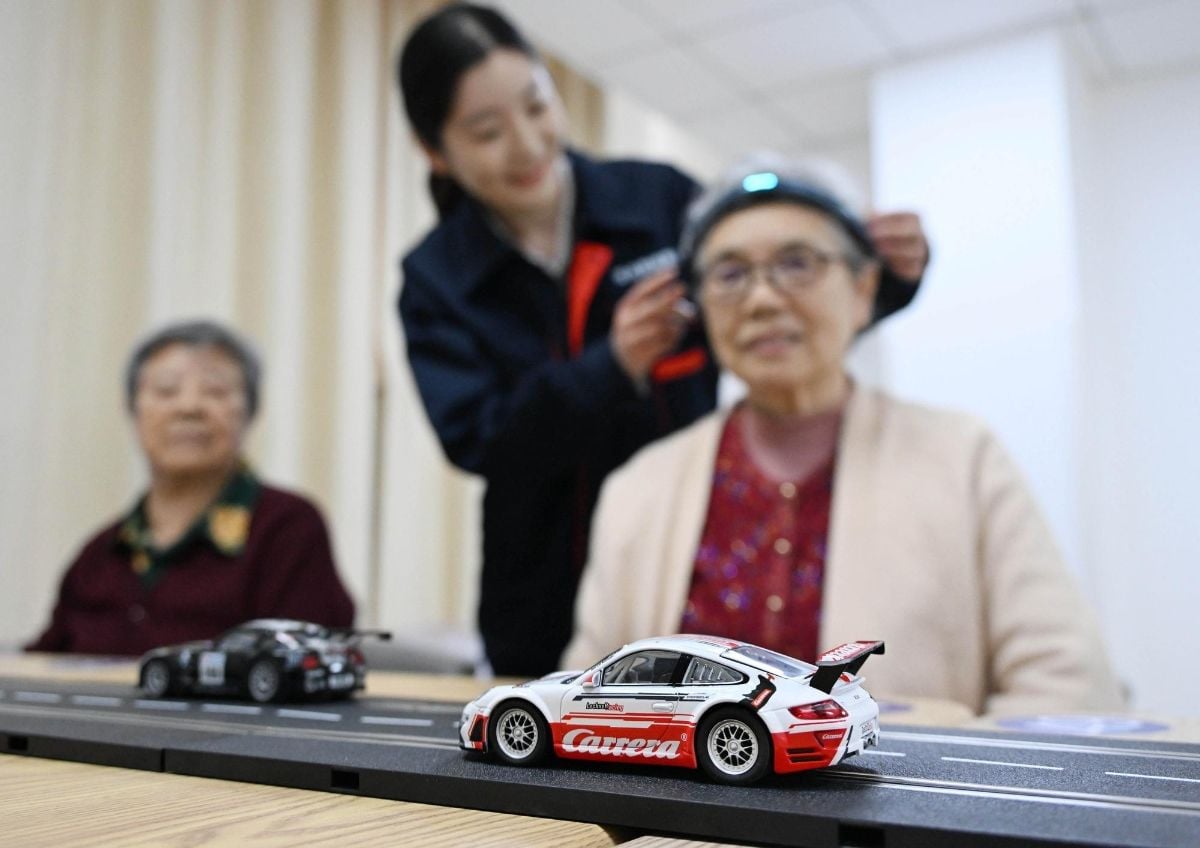
As Asian societies age rapidly, governments and technology companies are increasingly turning to AI to support elderly care—especially in countries facing shortages of doctors, social workers, and family caregivers. Beyond companionship, AI tools are being used to monitor health, alert caregivers to emergencies, and support interventions aimed at slowing cognitive decline.
In South Korea, one example is “Talking Buddy,” a care-call service developed by Naver Cloud. Late last year, Mrs. Chung Yun-hee, in her seventies, woke with severe pain from an acute herniation in her suburban Seoul apartment. When the AI chatbot called, she could only manage a few weak words on the phone. The virtual assistant detected abnormal signs and immediately alerted social workers, helping her reach emergency surgery in time.
Korea’s demographic shift is accelerating the need for such services. The number of people aged 65 and over has doubled in 15 years and now accounts for more than one-fifth of the population. With limited care capacity, AI is being used to reach elderly people living alone, including through personalized conversations designed to reduce loneliness and help detect emergencies.
Talking Buddy conducts individualized chats lasting two to five minutes at random times each day. The service is also intended to stimulate cognitive function to slow dementia progression. While the technology is still under development and can sometimes make errors, users have generally responded positively, with some elderly people playing music through the chatbot and inviting it to lunch at home.
In Seongnam, Ms. Min, an elderly woman with mild cognitive impairment, is learning to use “SuperBrain,” a digital therapy program funded by the government. SuperBrain provides personalized exercises designed to slow memory decline.
Dr. Wang Min-jeong said fear of dementia in Korea has become stronger than fear of cancer, describing it as a national challenge. Experts warn that dementia cases in Korea are expected to double to two million by 2044. In that context, AI is positioned as a caregiver alternative that can offer memory support and “endless patience.”
In China, an Alibaba-University survey suggests that while initial access to AI may be lower, older users who begin using AI tend to remain loyal and use it more frequently.
To meet demand, companies have invested in optimizing “touchpoints” with customers. Tencent, for example, built a text library for the elderly using more than 9,000 real conversations to train large language models to better understand older users’ needs.
Barriers to adoption include keyboard skills and deteriorating vision. ByteDance’s Doubao addresses this by allowing users to converse via voice rather than text. The system can understand regional dialects with heavy accents and uses familiar terms such as “grandpa” and “grandma” to foster connection.
Du Thuc Man, 78, said she found comfort when the Doubao chatbot expressed empathy for memories of poverty from her youth, describing AI’s ability to listen and understand as an advantage over traditional apps.
Vietnam is also confronting rising dementia needs. At a March conference on “Enhancing dementia care in Vietnam,” Prof. Dr. Nguyen Trung Anh of the National Geriatrics Hospital said the number of people with dementia in Vietnam was estimated at about 660,000 in 2015 and could rise to 1.8 million by 2050.
He noted that the care system currently has gaps, including limited dementia research data in the community, caregiver support models that have not been widely developed, and the fact that most patients are cared for at home.
According to Dr. Trung Anh, with aging, an increase in dementia is inevitable, making early diagnosis and detection critical. He cited results from nearly a decade of studies indicating that early diagnosis can enable timely intervention, improve quality of life, and extend life expectancy.
Earlier, the National Geriatrics Hospital and Tam Anh General Hospital announced a comprehensive cooperation program covering “prevention, diagnosis, treatment, care, and management of dementia and Alzheimer’s in older adults.” The program focuses on deploying blood-based diagnostics to diagnose Alzheimer’s early and improve treatment and disease management.
The collaboration covers three core areas: early diagnosis and detection, treatment, and care and management. It also includes research and application of digital technology platforms in dementia care, such as mobile apps, IoT-enabled devices to assist community care and adherence to treatment, and specialized electronic health records for dementia patients. The program states that if deployed in the community, these digital solutions could reduce the burden on higher-level health systems and improve elderly quality of life.
Across these markets, AI-enabled tools are being framed as both a technology and welfare challenge—aimed at helping older people access support despite barriers such as limited care capacity and difficulties using conventional digital interfaces. The article describes AI as a potential way to strengthen dementia care, improve emergency responsiveness, and support early intervention efforts where systems are under strain.
Premium gym chains are entering a “golden era” that is ending or already in decline, as rising operating costs collide with shifting consumer preferences toward more flexible, community-based ways to exercise. Long-term memberships are shrinking, margins are pressured by higher rents and facility expenses, and competition from smaller, more personalized…