•
•
•
•
•
•
•
•
•
•
•
•
•
•
•
•
•
•
•
•
•
•
•
•
•
•
•
•
•
•
•
•
•


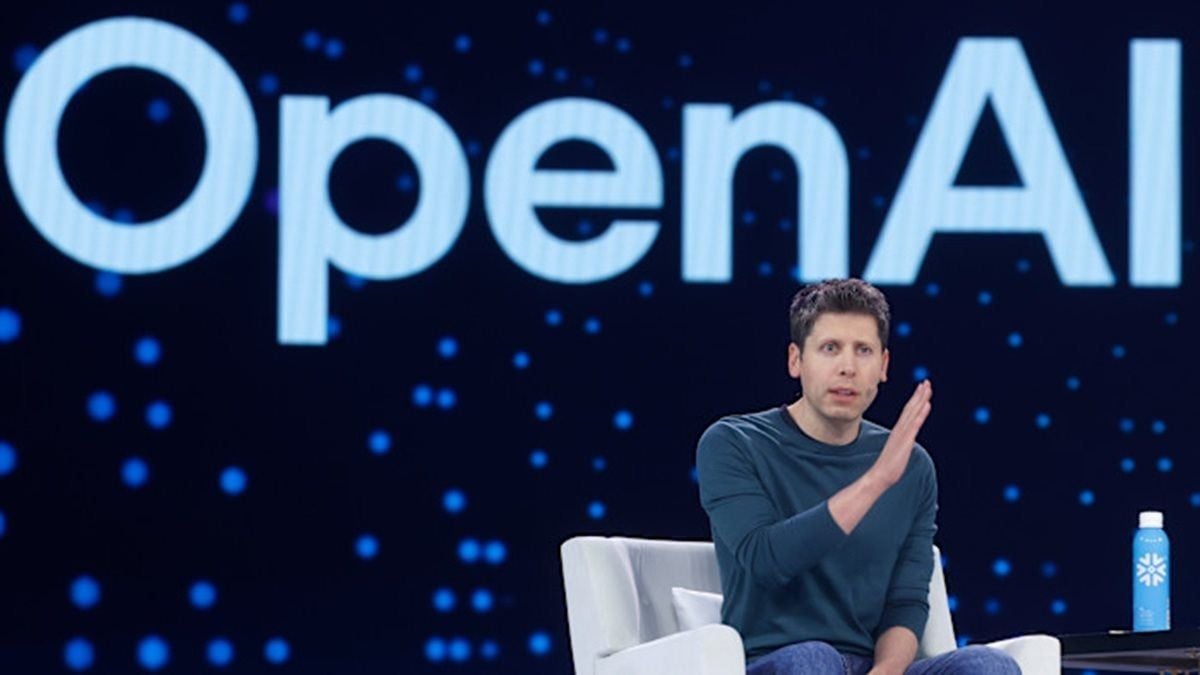
OpenAI has formally allowed employees to sell stock worth up to $30 million per person in a pivotal fundraising round, according to Mint. The change positions current and former staff among the earliest and strongest beneficiaries of the global AI boom.
In October last year, more than 600 current and former OpenAI employees simultaneously exercised their stock sale rights. The transaction netted them a total of $6.6 billion.
People close to the matter said that for about 75 individuals, the proceeds translate into the full $30 million in their accounts. Some employees did not keep the entire amount, instead donating remaining assets to philanthropic giving funds—charitable investment accounts designed for long-term nonprofit purposes and intended to support tax optimization through large deductions in the year of the donation.
The stock-sale event is described as an early signal of a broader inflow of cash into San Francisco and other major tech hubs. OpenAI and Anthropic are both preparing for IPOs that are projected to be among the largest in tech history, potentially enabling thousands of lower-tier employees to monetize their holdings.
Compensation levels have risen alongside the competition for talent. Meta reportedly offered packages of up to $300 million last year to recruit top researchers from rivals. At OpenAI, base salaries for technical roles routinely exceed $500,000 per year, in addition to stock awards. The Wall Street Journal reported that in August last year, OpenAI paid one-time million-dollar bonuses to key staff to retain them amid investor and competitor pressure.
The wealth generated from OpenAI is also affecting local costs. In San Francisco, the financial wind from OpenAI is pushing up rents and real estate prices, raising concerns about wealth inequality and a widening socioeconomic gap in the city.
OpenAI’s employee benefits are tied to the company’s rapid growth in enterprise value. It is described as the world’s most valuable tech startup. For veteran employees who joined seven years ago, their asset value has risen more than 100-fold, while the Nasdaq Composite index—used as a proxy for tech stocks—has roughly tripled over the same period.
Historically, employees in Silicon Valley typically had to vest stock rights until an IPO. But as tech companies have stayed private longer, many employees have become “rich on paper” with limited cash liquidity. Public debuts have increasingly become a lifeline, and private-market sales to outside institutional investors have offered another route to monetization.
OpenAI previously maintained a conservative policy limiting stock sales to $10 million per person. That cap left some researchers and engineers dissatisfied. Under pressure from employees and external investors, the company tripled the cap last autumn to $30 million per person.
At the executive level, the figures are even more substantial. OpenAI Chairman Greg Brockman disclosed in testimony that he held stock valued at about $30 billion, placing him among the wealthiest figures in the tech sector.
Chief Executive Sam Altman has said he does not own shares in the company, citing OpenAI’s original nonprofit mission. However, investors and the public are closely watching the lawsuit involving Elon Musk. Some observers speculate that if Altman prevails and OpenAI converts from a nonprofit into a for-profit entity, he could receive a stock stake aligned with his position, potentially placing him among the leading AI billionaires.
Premium gym chains are entering a “golden era” that is ending or already in decline, as rising operating costs collide with shifting consumer preferences toward more flexible, community-based ways to exercise. Long-term memberships are shrinking, margins are pressured by higher rents and facility expenses, and competition from smaller, more personalized…