•
•
•
•
•
•
•
•
•
•
•
•
•
•
•
•
•
•
•
•
•
•
•
•
•
•
•
•
•
•
•
•
•


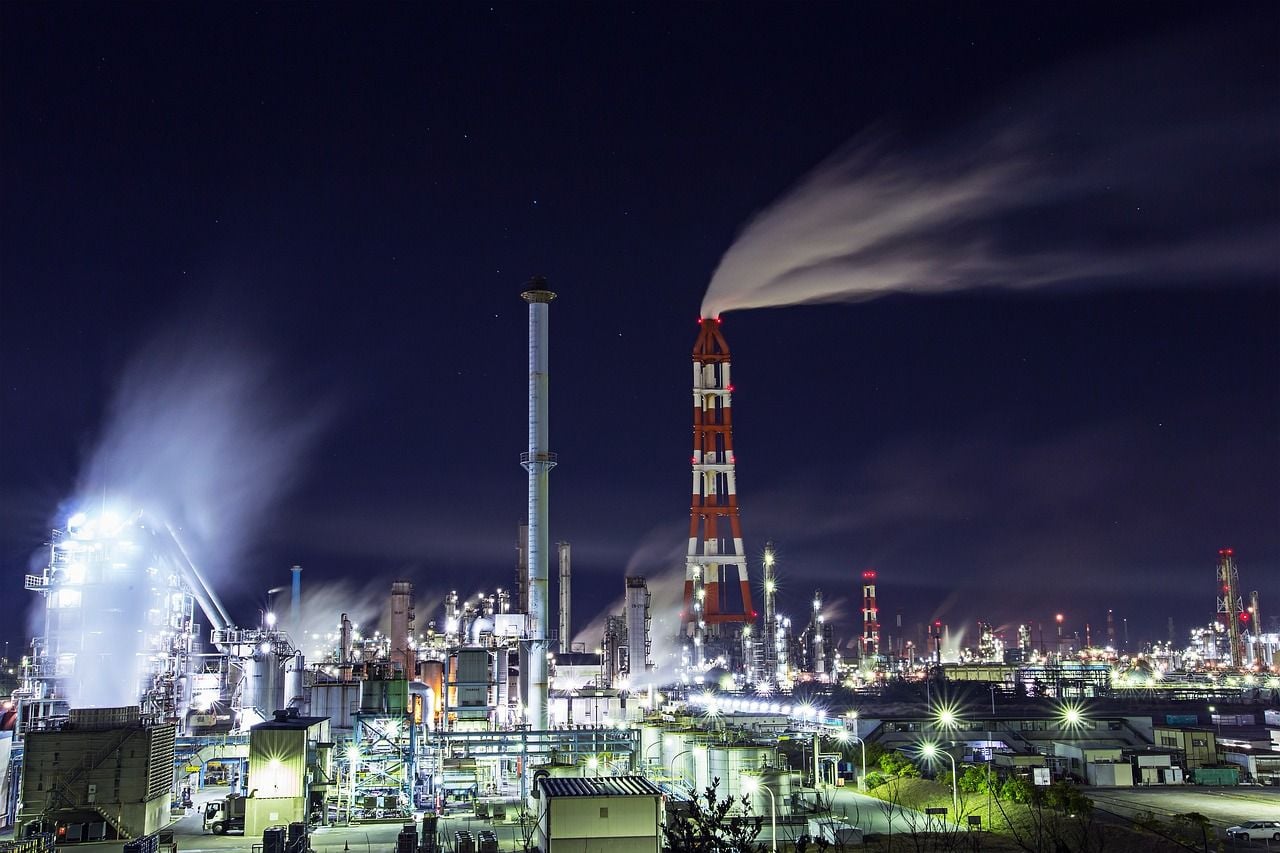
Alcoa, the largest aluminum producer in the United States, is reportedly close to selling its dormant Massena East smelter in upstate New York to bitcoin mining company New York Digital Investment Group (NYDIG). CEO Bill Oplinger said the company is in advanced negotiations and expects the transaction to be finalized sometime in mid-2025.
The Massena East facility has been inactive since 2014, when Alcoa shuttered operations due to rising costs and mounting pressure from global competition. Although the site no longer produces aluminum, its industrial infrastructure remains in place.
The value of the property is tied less to its history as a metals plant and more to the energy infrastructure left behind. Industrial smelters consume large amounts of electricity and are built with heavy-duty substations and dedicated power transmission systems designed for continuous operation. When such facilities close, the grid-ready infrastructure can remain available, making the sites suitable for energy-intensive uses such as cryptocurrency mining and artificial intelligence data centers.
Massena East also benefits from access to clean, low-cost hydropower supplied by the New York Power Authority, an advantage for bitcoin miners and technology firms facing increasing pressure to demonstrate sustainable energy use.
The reported NYDIG deal reflects a wider trend of converting shuttered heavy-industry locations into digital infrastructure. Earlier this year, Century Aluminum completed a similar transaction by selling a former Kentucky smelter to bitcoin miner TeraWulf, which plans to develop a high-performance computing and AI campus on the site.
As demand for grid capacity rises across data centers and crypto mining, legacy industrial sites with existing power access are increasingly viewed as valuable real estate for the digital economy.

Premium gym chains are entering a “golden era” that is ending or already in decline, as rising operating costs collide with shifting consumer preferences toward more flexible, community-based ways to exercise. Long-term memberships are shrinking, margins are pressured by higher rents and facility expenses, and competition from smaller, more personalized…