Major
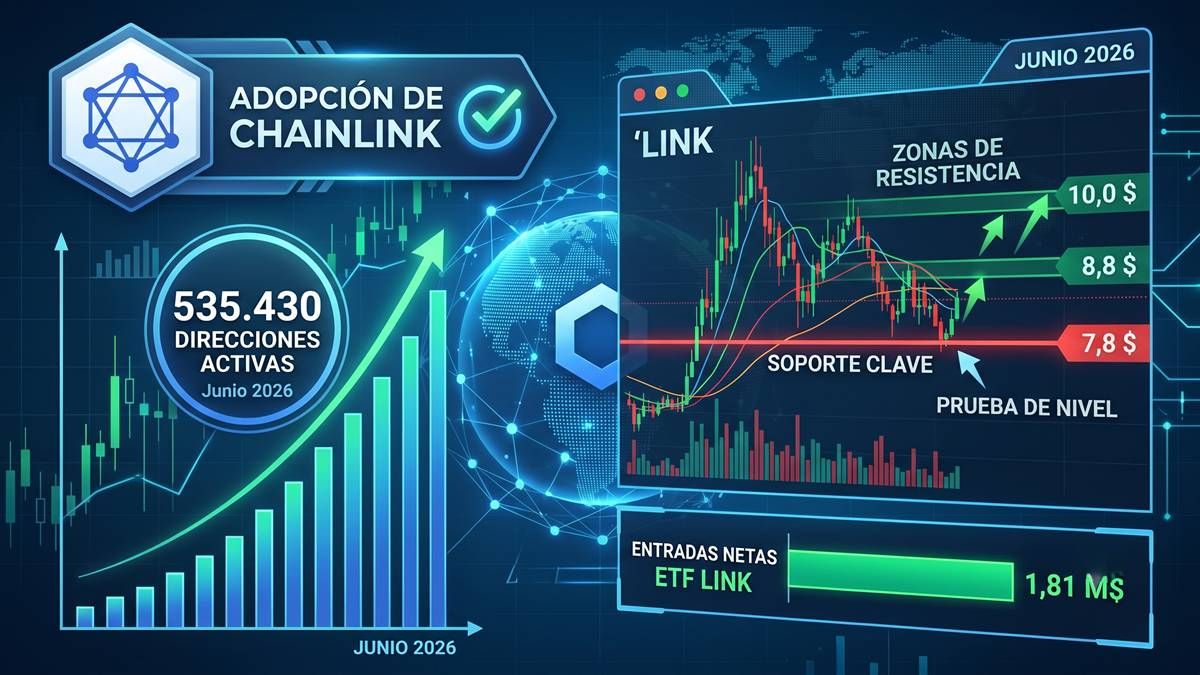
crypto exchange Binance will be performing a delisting action at the start of 2026, and this move is set to affect the trading pairs of major cryptocurrencies Bitcoin Cash (BCH), Bittensor (TAO), Avalanche (AVAX), Litecoin (LTC), Sui (SUI), Cardano (ADA) and Chainlink (LINK).
The trading pairs affected include BCH/FDUSD, TAO/FDUSD, AVAX/FDUSD, LTC/FDUSD, SUI/FDUSD, ADA/FDUSD, LINK/FDUSD, which will be delisted from Binance Margin on Jan. 6, 2026 at 6:00 a.m. (UTC).
Seven cross margin and seven isolated margin pairs will be delisted on that date, including those of BCH/FDUSD, TAO/FDUSD, AVAX/FDUSD, LTC/FDUSD, SUI/FDUSD, ADA/FDUSD and LINK/FDUSD, totaling 14 margin pairs to be delisted.
Important information for traders: Binance has announced that, effective immediately, users will no longer be able to transfer any amount of assets of the BCH/FDUSD, TAO/FDUSD, AVAX/FDUSD, LTC/FDUSD, SUI/FDUSD, ADA/FDUSD and LINK/FDUSD trading pairs via manual transfers or Auto-Transfer Mode into their Isolated Margin accounts.
On Dec. 31 at 6:00 a.m. (UTC), Binance Margin will suspend isolated margin borrowing for BCH/FDUSD, TAO/FDUSD, AVAX/FDUSD, LTC/FDUSD, SUI/FDUSD, ADA/FDUSD and LINK/FDUSD isolated margin pairs.
On Jan. 6 at 6:00 a.m. (UTC), Binance Margin will close users’ positions, conduct an automatic settlement, and cancel all pending orders on the BCH/FDUSD, TAO/FDUSD, AVAX/FDUSD, LTC/FDUSD, SUI/FDUSD, ADA/FDUSD and LINK/FDUSD cross and isolated margin pairs, after which they will be removed from Binance Margin.
To avoid potential losses, users are urged to close their positions and/or transfer assets from Margin Accounts to Spot Accounts before the cessation of margin trading on Jan. 6 at 6:00 a.m. (UTC). Binance noted that users may not be able to update their positions during the delisting process, which can take approximately three hours.