•
•
•
•
•
•
•
•
•
•
•
•
•
•
•
•
•
•
•
•
•
•
•
•
•
•
•
•
•
•
•
•
•
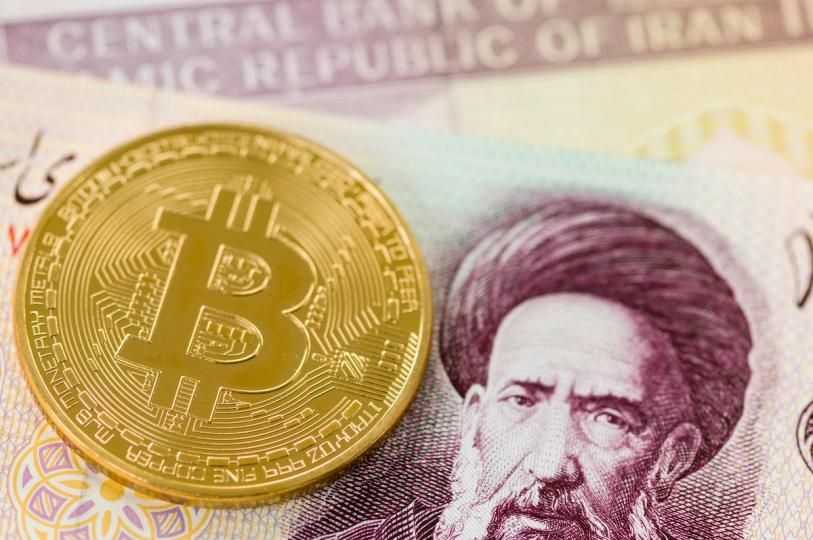
Bitcoin rose about 2% to roughly $65,800, its highest level in nearly two weeks, after the United States and Iran reached a deal to end hostilities and reopen the Strait of Hormuz. The agreement eased energy-supply fears, pushing Brent crude down more than 4% toward $83 a barrel and lifting global risk assets, including major cryptocurrencies and Asian stocks. Analysts said bitcoin’s rebound may be limited by ongoing concerns around institutional demand, including ETF outflows and recent sales by Strategy, even as the Iran-related risk premium fades.
Bitcoin climbed to its highest level in nearly two weeks after the US and Iran reached a deal to end hostilities and reopen the Strait of Hormuz, removing the energy-supply fear that had weighed on markets for months.
The token traded around $65,844 on Monday, up 2.1% over 24 hours, after touching a low near $63,722 in the early hours of Asian trading before the deal news broke, according to CoinDesk data.
The move places bitcoin about 9% above the sub-$60,000 low it hit last week, its weakest level since October 2024.
The rally extended beyond bitcoin. Ether rose 2.5% to $1,721, solana gained 3.6% to $71, and XRP added 3.2% to $1.19. Hyperliquid’s HYPE was the standout, up 7.5% on the day to nearly $65. BNB and dogecoin both added more than 1%.
Brent crude slumped more than 4% toward $83 a barrel as traders unwound the geopolitical premium that had kept oil elevated since late February. Asian stocks jumped more than 3%, with Japan’s Nikkei 225 heading for a record close. S&P 500 futures were up 1.2%, while the dollar fell against major peers.
Pakistani Prime Minister Shehbaz Sharif announced the deal first, followed by President Donald Trump and Iranian state media. Trump said the Strait of Hormuz will reopen on Friday upon signing. Neither side has released the full text, but the broad contours had been circulating for days.
Bitcoin’s slide below $60,000 last week came from two directions at once. Iran tensions fed higher oil, reinforcing expectations for higher interest rates, and higher rates pulled money out of risk assets including crypto. A deal that brings oil back toward $83 runs that dynamic in reverse.
However, another pressure point remains. Strategy’s disclosure earlier this month that it sold 32 bitcoin to fund preferred share dividends sparked a selloff and highlighted how much of crypto’s bid had relied on the assumption that Saylor would never sell. ETF outflows added to that pressure, and those demand questions are not resolved by a peace deal.
Market participants are watching whether institutional flows improve alongside the risk-on mood, or whether bitcoin’s recovery stalls once the Iran relief trade is fully priced.
Coinbase has launched a High Yield USDC vault within its in-app DeFi lending offering, adding a second lending option that provides exposure to a wider range of collateral assets. The product is powered by Morpho infrastructure and uses vault allocations curated by Steakhouse Financial.