•
•
•
•
•
•
•
•
•
•
•
•
•
•
•
•
•
•
•
•
•
•
•
•
•
•
•
•
•
•
•
•
•


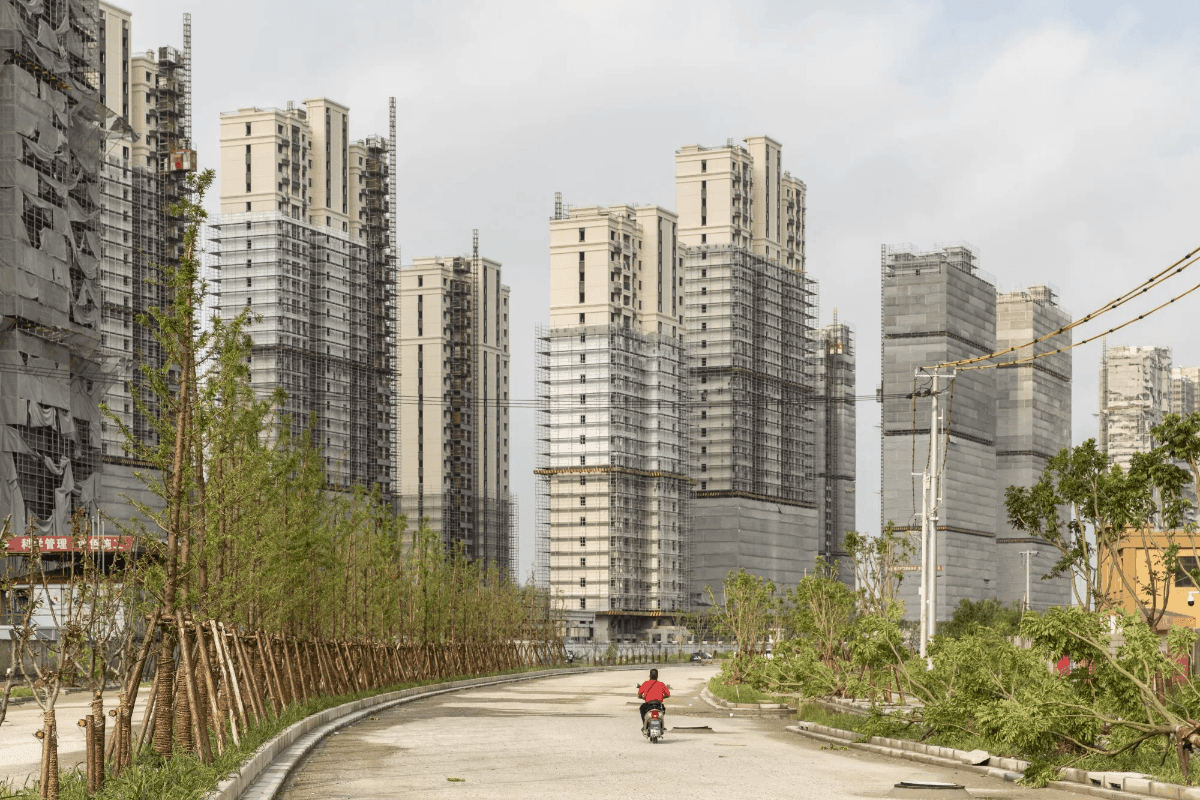
S&P Global Ratings has cut its forecast for China’s home sales, predicting that the value of homes sold over the year will fall by 10-14%. The revision marks a sharp change from the 5-8% decline forecast S&P issued in October 2025.
S&P said the downturn has penetrated so deeply that only the government can absorb excess inventory. While the Chinese government could purchase unsold real estate to help create affordable housing, S&P noted that such efforts have been fragmented and have not been strong enough to produce meaningful change.
The agency pointed to how the real estate sector—once accounting for more than a quarter of China’s output in the world’s second-largest economy—has seen annual revenue fall by half in just four years.
S&P said the crisis initially began after Beijing tightened debt-fueled expansion by property developers. More recently, even as the government loosened some controls, consumer demand for housing has shown no rebound.
Economists have warned for years about overbuilding. Despite declining sales, developers have continued construction, resulting in a sixth consecutive year of newly completed homes that remain unsold.
S&P said the oversupply of primary housing stock makes a recovery remote. It added that a supply overhang could push home prices down another 2-4% this year, after a similar pace of decline last year.
The agency also highlighted worsening price dynamics in major cities in the fourth quarter. It previously viewed these markets as healthier and a potential starting point for recovery, but now reported sharper declines.
S&P said the deterioration accelerated through 2025. In May 2025, it forecast new home sales would fall 3%, but by October it revised the outlook to an 8% decline.
It also reported that total new home sales in China fell 12.6% to 8.4 trillion yuan (about $1.21 trillion), compared with 18.2 trillion yuan in annual revenue in 2021.
S&P said the ongoing revenue decline is increasing pressure on real estate developers. If housing sales fall more than 10 percentage points below S&P’s base case for this year and next, the agency estimated that four out of 10 Chinese property developers rated by S&P could face downgrade pressure.
S&P noted that this estimate does not include China Vanke, which was once among China’s largest real estate developers and deferred debt payments at the end of last year.
S&P said Chinese officials have not introduced significant new measures to support the real estate sector. Instead, policy focus remains on developing advanced technologies.
Last month, Rhodium Group, a US-based research firm, said China’s push for high-tech industries is not large enough to offset the downturn in real estate. Rhodium added that this leaves the economy more dependent on exports for growth and more vulnerable to trade tensions.
Policymakers are expected to unveil economic targets for the year at the upcoming session of the National People’s Congress.





Premium gym chains are entering a “golden era” that is ending or already in decline, as rising operating costs collide with shifting consumer preferences toward more flexible, community-based ways to exercise. Long-term memberships are shrinking, margins are pressured by higher rents and facility expenses, and competition from smaller, more personalized…




