•
•
•
•
•
•
•
•
•
•
•
•
•
•
•
•
•
•
•
•
•
•
•
•
•
•
•
•
•
•
•
•
•


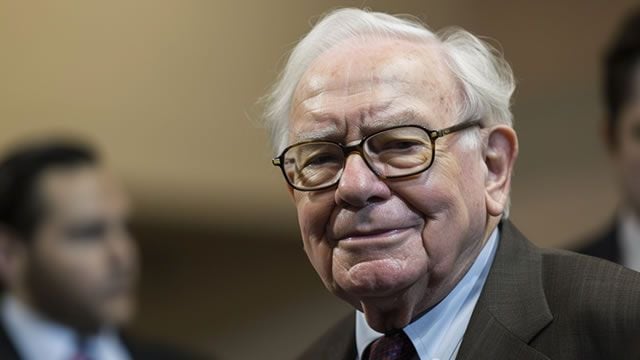
Warren Buffett kept Berkshire Hathaway’s cash reserves growing in his final quarter as CEO, with the company’s cash pile reaching a record $373 billion as it sold stocks and refrained from buybacks. At the same time, Berkshire’s operating profits fell sharply, as weakness in its insurance business outweighed strength in other divisions.
Berkshire’s fourth-quarter message to shareholders, released Saturday, centered on Buffett’s continued difficulty in finding attractive investments. The company was a net seller of stocks for a 13th straight quarter in the three months ended December 31, with the last period in which it bought more stocks than it sold occurring in the third quarter of 2022.
Recent portfolio disclosures showed Berkshire built a small stake in The New York Times Company, pared key positions in Apple and Bank of America, and cut 77% of a small Amazon position during the period.
Berkshire also did not conduct stock buybacks for a sixth consecutive quarter. The company had repurchased about $17 billion worth of Berkshire shares over the course of 2022 and 2023.
The combination of stock sales and the absence of buybacks contributed to Berkshire’s cash and Treasury bills reaching a record $373 billion at the end of December, after payables.
Berkshire’s cash pile was around $130 billion at the end of 2022, meaning it has nearly tripled over the last three years. The current level exceeds the market capitalizations of some of the world’s biggest companies, including Bank of America, General Electric, and Coca-Cola.
Buffett announced last May that he planned to retire before the new year, surprising investors. Over the past six decades, he transformed Berkshire from a failing textile mill into a $1 trillion conglomerate.
In his inaugural letter to shareholders on Saturday, Berkshire’s new CEO, Greg Abel, said he would not rush to pay out dividends or cut deals solely to put the money to work.
Abel’s first letter also came alongside a difficult fourth quarter. Berkshire’s operating earnings fell 30% year-on-year to $10.2 billion.
The decline reflected a sharp drop in profits from its key insurance unit, which more than offset higher earnings at the BNSF Railway and in Berkshire’s manufacturing, service, and retailing divisions.

Premium gym chains are entering a “golden era” that is ending or already in decline, as rising operating costs collide with shifting consumer preferences toward more flexible, community-based ways to exercise. Long-term memberships are shrinking, margins are pressured by higher rents and facility expenses, and competition from smaller, more personalized…