•
•
•
•
•
•
•
•
•
•
•
•
•
•
•
•
•
•
•
•
•
•
•
•
•
•
•
•
•
•
•
•
•



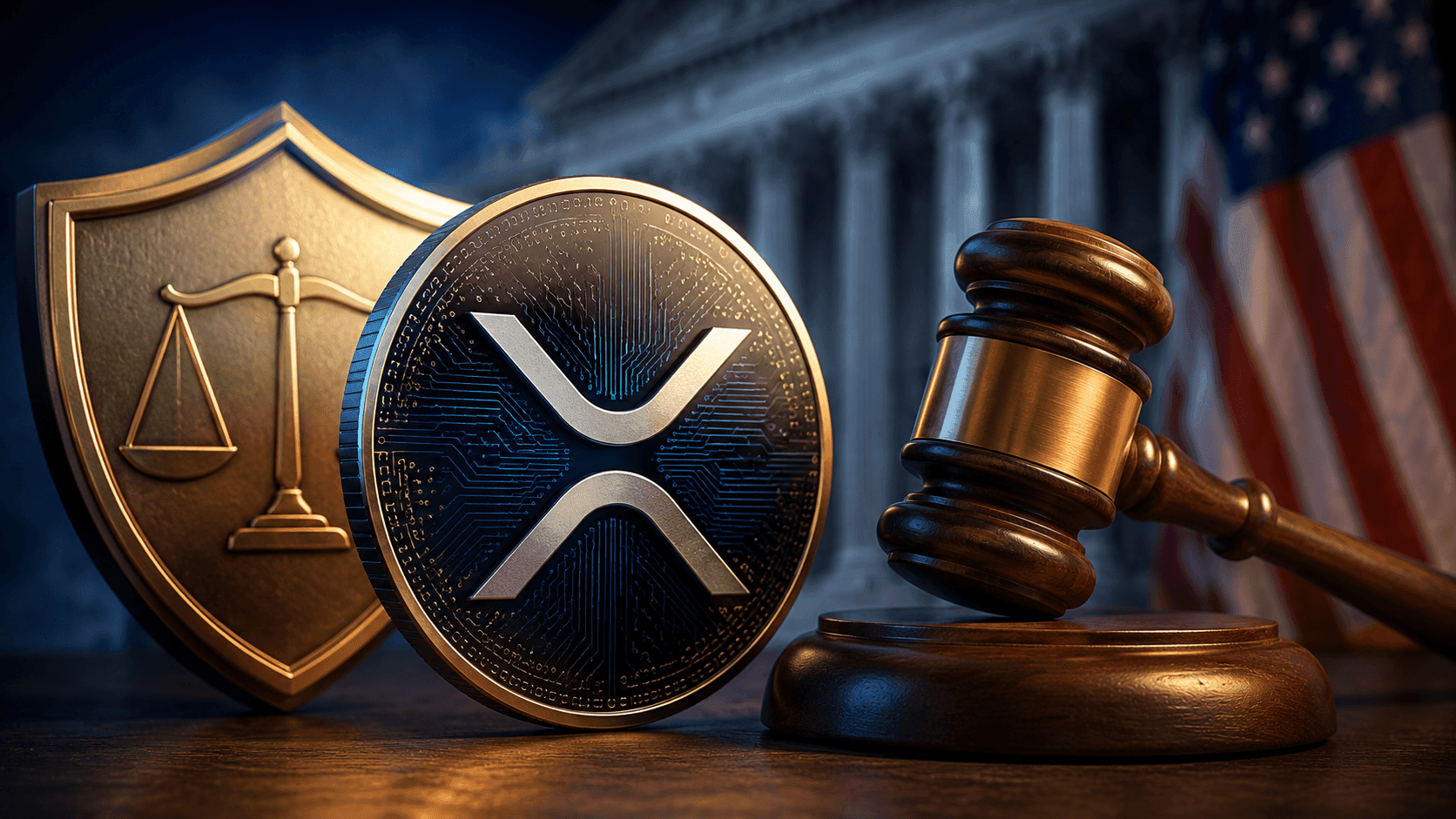
In the last two years, Ripple completed six acquisitions worth more than $4 billion in aggregate, marking its pivot from a payments-focused business into a diversified financial infrastructure company.
The two most important purchases were of Hidden Road, a prime brokerage, and GTreasury, an enterprise treasury management system. In November 2025, Ripple also raised $500 million from a group of investors that included high-profile financial services providers such as Fortress Investment Group and Citadel Securities.
Ripple’s strategy has increasingly positioned the XRP Ledger as a platform for real financial experiments, supported by institutional participation and capital for further expansion.
Ripple’s acquisition activity over the past two years totaled more than $4 billion across six deals. The company’s most significant purchases included Hidden Road and GTreasury, both aimed at strengthening its capabilities in areas tied to institutional finance and treasury operations.
Additionally, the $500 million funding round in November 2025 brought in investors including Fortress Investment Group and Citadel Securities, reinforcing Ripple’s access to large-scale capital.
The XRP Ledger has become a sandbox for financial experiments involving major market participants. On May 6, several financial businesses, including JPMorgan Chase, Mastercard, and Ripple itself, completed the first cross-border, cross-bank redemption of a tokenized U.S. Treasury bond on the XRP Ledger.
Current Price: $1.42
Today's Change: -0.83% (-$0.01)
Market Cap: $88B
Day's Range: $1.41 - $1.47
52-week Range: $1.14 - $3.65
Volume: 2.2B
Ripple holds roughly 34 billion XRP in escrow, about a third of the token’s total 100 billion XRP supply. At current prices, the escrowed XRP alone is described as being worth tens of billions of dollars.
Because of these holdings, Ripple has a financial interest in investing in the ecosystem around XRP and supporting conditions in which XRP can accrue value over time. The article links Ripple’s technology upgrades, partnerships, and regulatory licenses to efforts that may strengthen XRP’s value proposition for financial-institution users.
The article frames the bull case for XRP as being tied to the likelihood that Ripple will pursue actions intended to increase the coin’s price. It also notes a key risk: Ripple could fail to sufficiently cater to target users in financial institutions or fail to convince investors that its efforts will translate into strong returns.
Still, the article characterizes XRP as a crypto asset backed by a strategically expanding, well-funded company, contrasting it with peers in crypto that it says may not have comparable support.
Premium gym chains are entering a “golden era” that is ending or already in decline, as rising operating costs collide with shifting consumer preferences toward more flexible, community-based ways to exercise. Long-term memberships are shrinking, margins are pressured by higher rents and facility expenses, and competition from smaller, more personalized…




![Humanity [H] falls 17% as volume collapses; potential rebound or deeper breakdown ahead](/_next/image?url=https%3A%2F%2Fimages.indexcdn.com%2Fhumanity_h_crashes_17_rebound_or_deeper_breakdown_whats_20260513_bc5328420e.jpg&w=2560&q=85)