•
•
•
•
•
•
•
•
•
•
•
•
•
•
•
•
•
•
•
•
•
•
•
•
•
•
•
•
•
•
•
•
•


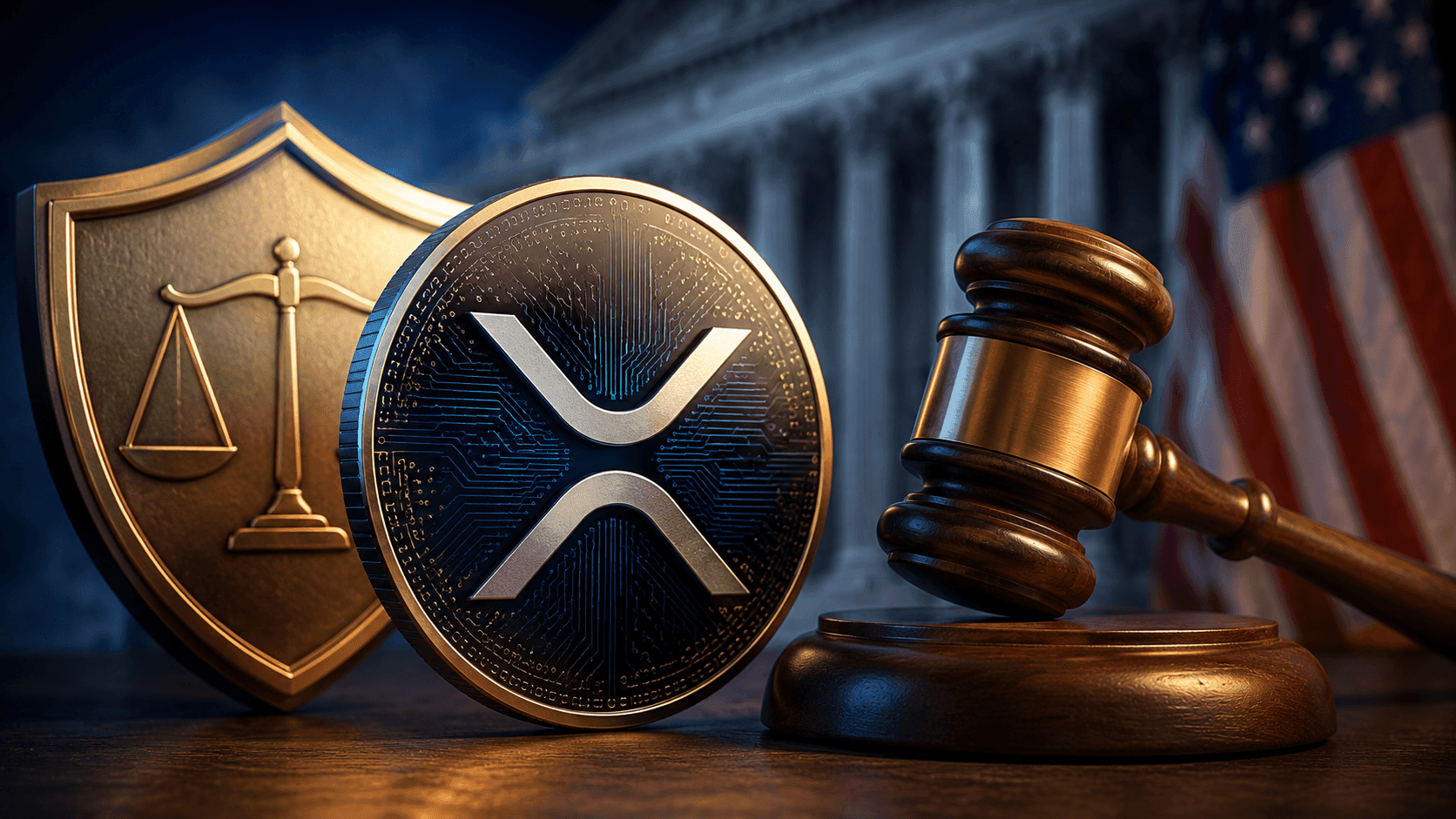
XRP’s legal and regulatory status has returned to the center of U.S. crypto policy debate as supporters point to Section 105 of the latest draft of the CLARITY Act. They argue the provision could strengthen the legal position for XRP secondary market sales, tying the draft’s language to prior court rulings.
The debate intensified after XRP-focused accounts cited pages 110 to 112 of the draft, saying Section 105 includes language connected to earlier court decisions. Supporters’ interpretation is that if a court has already ruled a digital asset transaction was not a security before the bill becomes law, that transaction should not later be reclassified as a security under the same framework.
Supporters immediately linked this reading to the 2023 ruling by Judge Analisa Torres, which found that XRP secondary market sales were not securities transactions. They contend Section 105 could create a federal legal shield for that portion of the Ripple case if the bill passes in its current form.
However, the claim remains tied to draft legislation rather than enacted law. The CLARITY Act would still need to pass through committee, survive amendments, move through the Senate, and potentially be reconciled with other legislation before becoming law.
Section 105 is also drawing attention because it introduces a decentralization test and language related to network tokens. XRP supporters argue this category could apply to XRP, citing the XRP Ledger’s operation independently of Ripple and its use for payments, settlement, and utility-based transactions.
Supporters say XRP’s value is tied to network usage rather than direct claims on Ripple’s profits, and they argue the XRP Ledger continues to run even if Ripple is not directly involved. Critics may still challenge this interpretation, and regulators could still examine specific transactions, issuer conduct, or market activity depending on how the final bill is written.
For XRP holders, the central question is whether the CLARITY Act could reduce the risk of future SEC action over secondary market trading. Supporters argue Section 105 may help prevent a future administration or SEC chair from reopening the same security classification dispute.
Ripple CEO Brad Garlinghouse praised the Senate Banking Committee for advancing the CLARITY Act, saying millions of Americans already participate in crypto markets. He said Ripple supports the bill because crypto users deserve rules and protections similar to other asset classes.
Ripple Chief Legal Officer Stuart Alderoty cited figures from the National Crypto Association’s 2026 State of Crypto Holders Report, which the article says found 67 million Americans hold cryptocurrency. The report lists California as leading with 9.5 million holders, followed by Texas with 5.94 million and Florida with 4.71 million.
Ripple’s support comes as the company and XRP remain tied to broader U.S. digital asset regulation. The article says clearer rules around token classification, exchange oversight, and market structure could affect XRP and other major tokens including Solana, Litecoin, Hedera, Dogecoin, Chainlink, and additional cryptocurrencies.
The Senate Banking Committee markup is expected to be closely watched by crypto firms, banks, investors, and policy groups.
Senator Elizabeth Warren has submitted more than 40 amendments to the CLARITY Act, according to reports cited by crypto market observers. One reported amendment would strike language described by supporters as a grandfather clause, which could affect tokens with prior court rulings or established trading status.
Warren has argued the bill puts investors, national security, and the financial system at risk. She has also criticized the lack of conflict-of-interest provisions tied to President Donald Trump and his family’s crypto ventures.
Another Warren amendment would block the Federal Reserve from granting master accounts to crypto firms. The article also notes that companies linked to the debate include Ripple, Anchorage Digital, Circle, and Custodia Bank, while Kraken has reportedly received a Fed master account.
Other Democratic proposals from Senators Jack Reed and Tina Smith reportedly address stablecoin yield restrictions and the use of crypto assets such as Bitcoin and XRP for tax payments.
With the Senate Banking Committee markup scheduled, the article frames tomorrow’s process as a test of how much support remains for the CLARITY Act in its current form, particularly in light of the proposed amendments.
Premium gym chains are entering a “golden era” that is ending or already in decline, as rising operating costs collide with shifting consumer preferences toward more flexible, community-based ways to exercise. Long-term memberships are shrinking, margins are pressured by higher rents and facility expenses, and competition from smaller, more personalized…







![Humanity [H] falls 17% as volume collapses; potential rebound or deeper breakdown ahead](/_next/image?url=https%3A%2F%2Fimages.indexcdn.com%2Fhumanity_h_crashes_17_rebound_or_deeper_breakdown_whats_20260513_bc5328420e.jpg&w=2560&q=85)