•
•
•
•
•
•
•
•
•
•
•
•
•
•
•
•
•
•
•
•
•
•
•
•
•
•
•
•
•
•
•
•
•


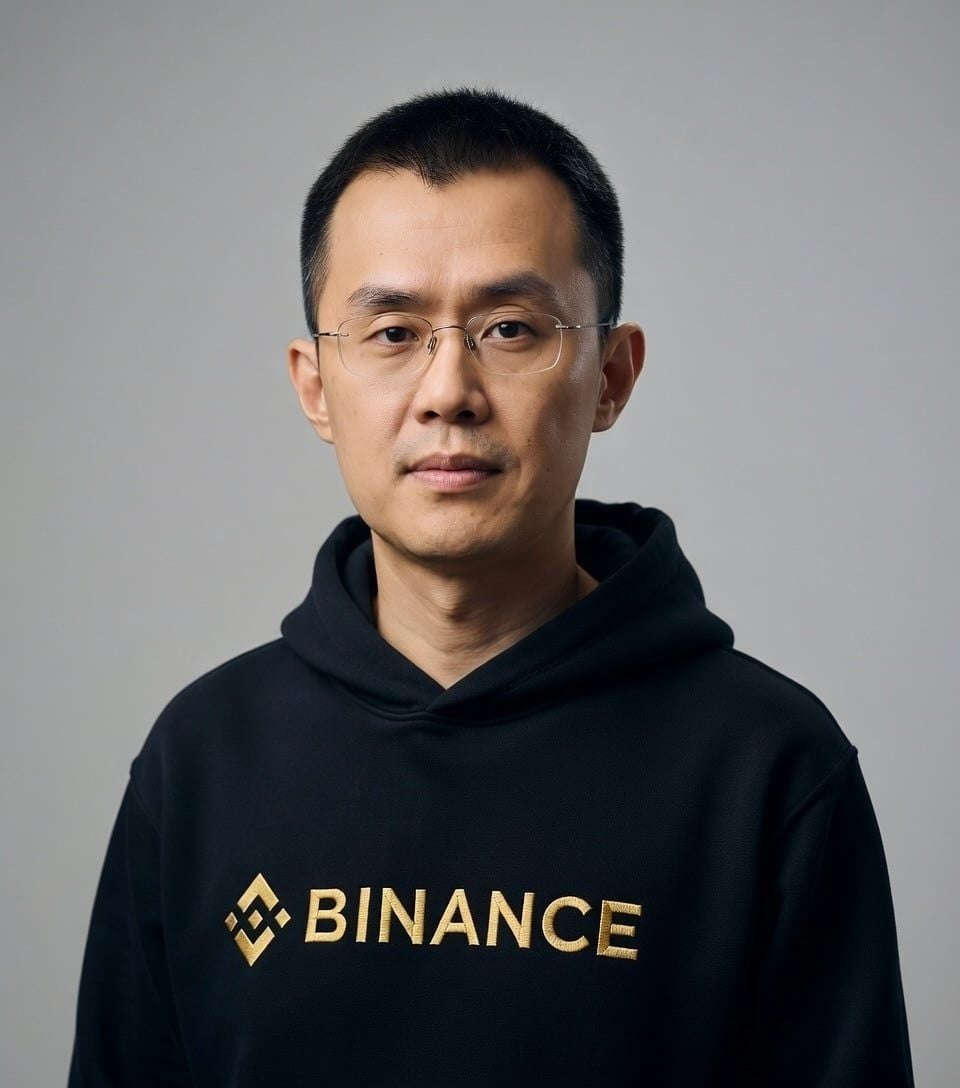
Changpeng Zhao (CZ), founder of Binance, addressed long-standing curiosity about Bitcoin’s creator during an April 9, 2026 interview on the TBPN Channel. He said he does not know the identity of Satoshi Nakamoto and would not reveal it even if he had access.
In the interview, CZ confirmed that he does not know who Satoshi Nakamoto is. He also stated that he would not disclose such information if he were to possess it.
His remarks were widely shared across crypto communities, with the clip circulating quickly after the interview.
CZ said curiosity about Satoshi exists throughout the industry, but he argued that uncovering the identity could introduce unnecessary risks. He characterized anonymity as a factor in Bitcoin’s growth and resilience.
He also pointed to Bitcoin’s structure as operating without reliance on a central figure. In his view, this helps maintain trust in the network and reduces incentives to pursue the identity question.
CZ emphasized that Bitcoin’s decentralized nature is closely linked to its anonymous origins. He suggested that if the founder were known, it could attract unwanted attention or influence, potentially affecting how the network is perceived and governed.
He further noted that Satoshi Nakamoto’s absence removes any central authority figure, allowing Bitcoin to function without leadership pressure and preventing decisions from being tied to one individual’s influence.
During the discussion, CZ said he does not intend to investigate further. He described the search for Satoshi’s identity as unnecessary for Bitcoin’s continued operation, and said his focus is on the system’s design and independence.
He added that Bitcoin’s strength lies in its open and distributed framework, arguing that without a visible founder, the network avoids personality-driven narratives and supports its role as a decentralized financial system.




Premium gym chains are entering a “golden era” that is ending or already in decline, as rising operating costs collide with shifting consumer preferences toward more flexible, community-based ways to exercise. Long-term memberships are shrinking, margins are pressured by higher rents and facility expenses, and competition from smaller, more personalized…