•
•
•
•
•
•
•
•
•
•
•
•
•
•
•
•
•
•
•
•
•
•
•
•
•
•
•
•
•
•
•
•
•


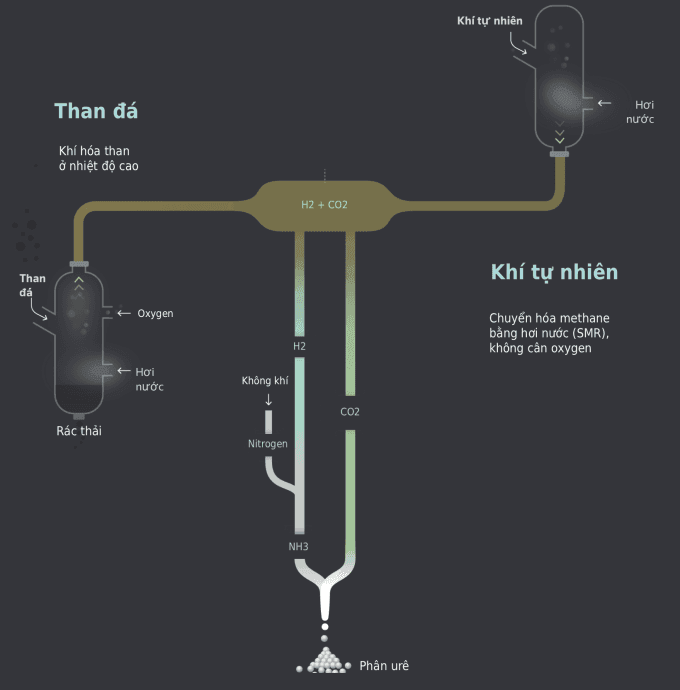
China has remained resilient amid a fertilizer supply shock, aided by coal-based production as global urea prices climbed sharply following disruptions in the Middle East.
Global prices for urea rose by about 70% as the Middle East conflict entered its second month, disrupting the Hormuz Strait, which handles about 30% of global fertilizer trade. Urea is an inorganic nitrogen fertilizer and one of three essential crop nutrients, alongside phosphorus and potassium.
Each year, global agriculture uses around 200 million tonnes of these nutrients, with nitrogen accounting for the largest share at about 58% in 2023.
China exported $13 billion worth of fertilizer last year, roughly one-fifth of the imports of Brazil, Indonesia and Thailand, and about one-third of the imports of Malaysia and New Zealand, according to the International Trade Centre.
Before the Middle East conflict, multiple sources indicated China had cut export quotas by 50-80% to protect the domestic market. A fertilizer executive based in New Delhi said the quota reductions tightened supply further and increased pressure on global prices.
Greenpeace investigations reported that a plant in Inner Mongolia operated by Shenhua Group uses up to 10 cubic metres of water to produce one tonne of fertilizer.
The same reporting noted that strict environmental policies tied to carbon emissions from coal processing create significant challenges. Many countries impose carbon taxes or caps on greenhouse gas emissions, which can raise production costs. Despite this, some coal-rich countries are testing the approach to secure supply.
In India, coal gasification is viewed as a strategic substitute for imported gas, though new projects are still in early stages. In Indonesia, some firms are partnering with China to optimize production. The model is described as less likely to scale in Australia due to emission-reduction goals and carbon pricing.







Premium gym chains are entering a “golden era” that is ending or already in decline, as rising operating costs collide with shifting consumer preferences toward more flexible, community-based ways to exercise. Long-term memberships are shrinking, margins are pressured by higher rents and facility expenses, and competition from smaller, more personalized…