•
•
•
•
•
•
•
•
•
•
•
•
•
•
•
•
•
•
•
•
•
•
•
•
•
•
•
•
•
•
•
•
•


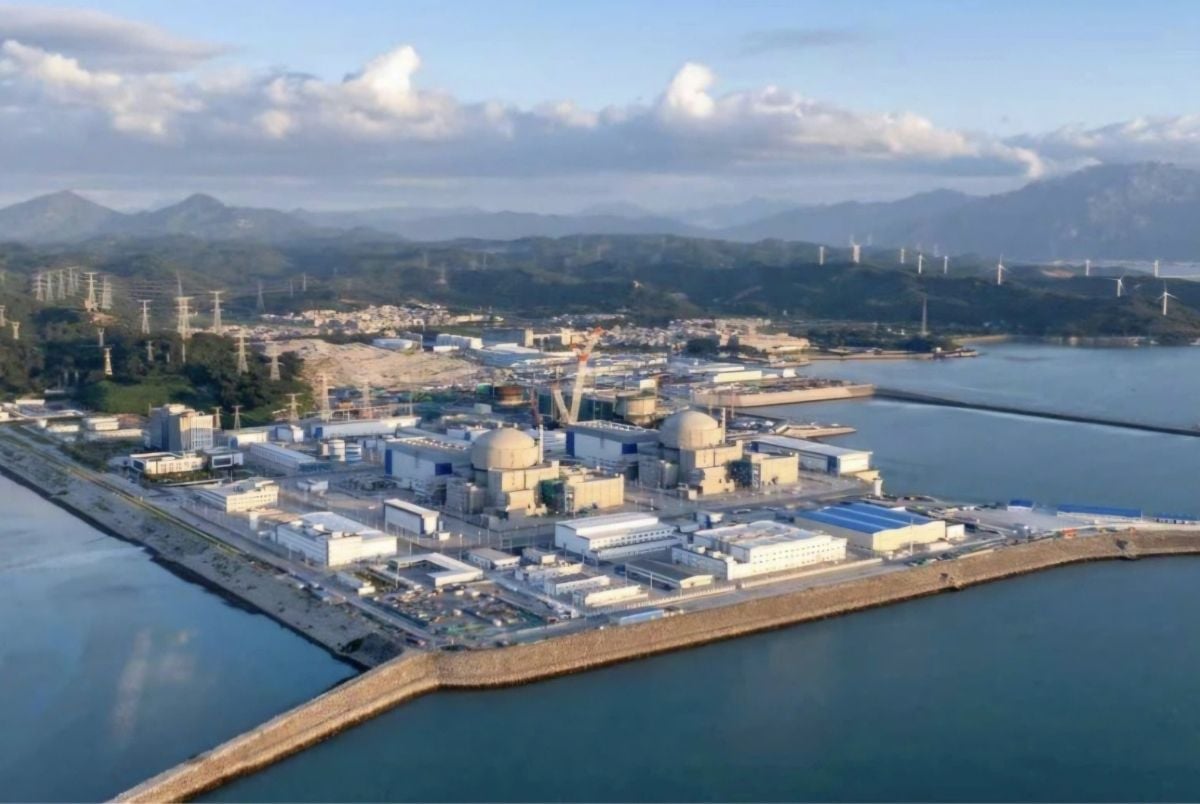
China has reached a total installed nuclear power capacity of 125 GW, including units in operation and those approved for construction, lifting the country to No. 1 globally and it is forecast to surpass the United States before 2030 to become the world’s largest nuclear power capacity holder. With abundant project pipelines, China’s operating nuclear capacity is expected to overtake the US before 2030, thereby becoming the largest in the world. This will be the essential foundation for building a new electricity system and realizing the strategy to become an energy superpower. At the Nuclear Energy Sustainable Development Forum held in Beijing, Yang Changli, rotating chairman of the Chinese Nuclear Energy Association (CNEA), stated that the global nuclear energy industry is entering a phase of “renaissance,” while China has begun an accelerated development period. In the 15th Five-Year Plan (2026-2030), energy demand and electricity growth, along with the goal of a “carbon peaking” trajectory, will create ample room for nuclear power. It is projected that by 2040, China’s installed nuclear capacity will reach 200 million kW (200 GW). NUCLEAR ENERGY AS THE FOUNDATION FOR THE DIGITAL ECONOMY AND AI Alongside expanding scale, China maintains safety at internationally advanced standards. During 2021-2025, the nuclear power system produced more than 2,000 billion kWh of electricity, contributing to CO2 emissions reductions of over 1.53 billion tons. Experts note that the stable and reliable characteristics of nuclear energy make it especially important for high-tech industries. Nuclear power is well suited to support large electricity-consuming facilities like AI data centers, as it provides a stable, dependable baseload with zero emissions. This trend aligns with global demand, and the IEA projects that global electricity consumption by the information technology sector will rise by a total of 106 GW in 2025-2030, mainly due to AI generation and the training of large models. In 2026, development is expected to accelerate further. The report states that two new units will be commissioned, while seven additional units are planned to be completed and brought into commercial operation before the end of the year. One of the key projects is Unit 1 of the San’ao Nuclear Power Plant in Zhejiang Province, operated by China General Nuclear Power Group. It is expected to enter operation in the first half of the year, and will be the first Hualong One reactor deployed in the Yangtze River Delta region, a dynamic economic hub of China. Notably, this is also the first nuclear project in the country with private capital involvement, with about 2,000 enterprises participating in key areas such as equipment manufacturing, high-tech services, and complex construction. According to the operator, this model enables the private sector to directly benefit from large-scale national infrastructure projects. As demand for electricity for AI and the digital economy surges, nuclear power is likely to become one of the key energy foundations that determine the development advantage of large economies. CHINA AND RUSSIA ACCOUNT FOR 90% OF GLOBAL NEW NUCLEAR REACTORS 15 NUCLEAR NATIONS THE WORLD OVER: USA AND CHINA LEAD






Premium gym chains are entering a “golden era” that is ending or already in decline, as rising operating costs collide with shifting consumer preferences toward more flexible, community-based ways to exercise. Long-term memberships are shrinking, margins are pressured by higher rents and facility expenses, and competition from smaller, more personalized…




