•
•
•
•
•
•
•
•
•
•
•
•
•
•
•
•
•
•
•
•
•
•
•
•
•
•
•
•
•
•
•
•
•


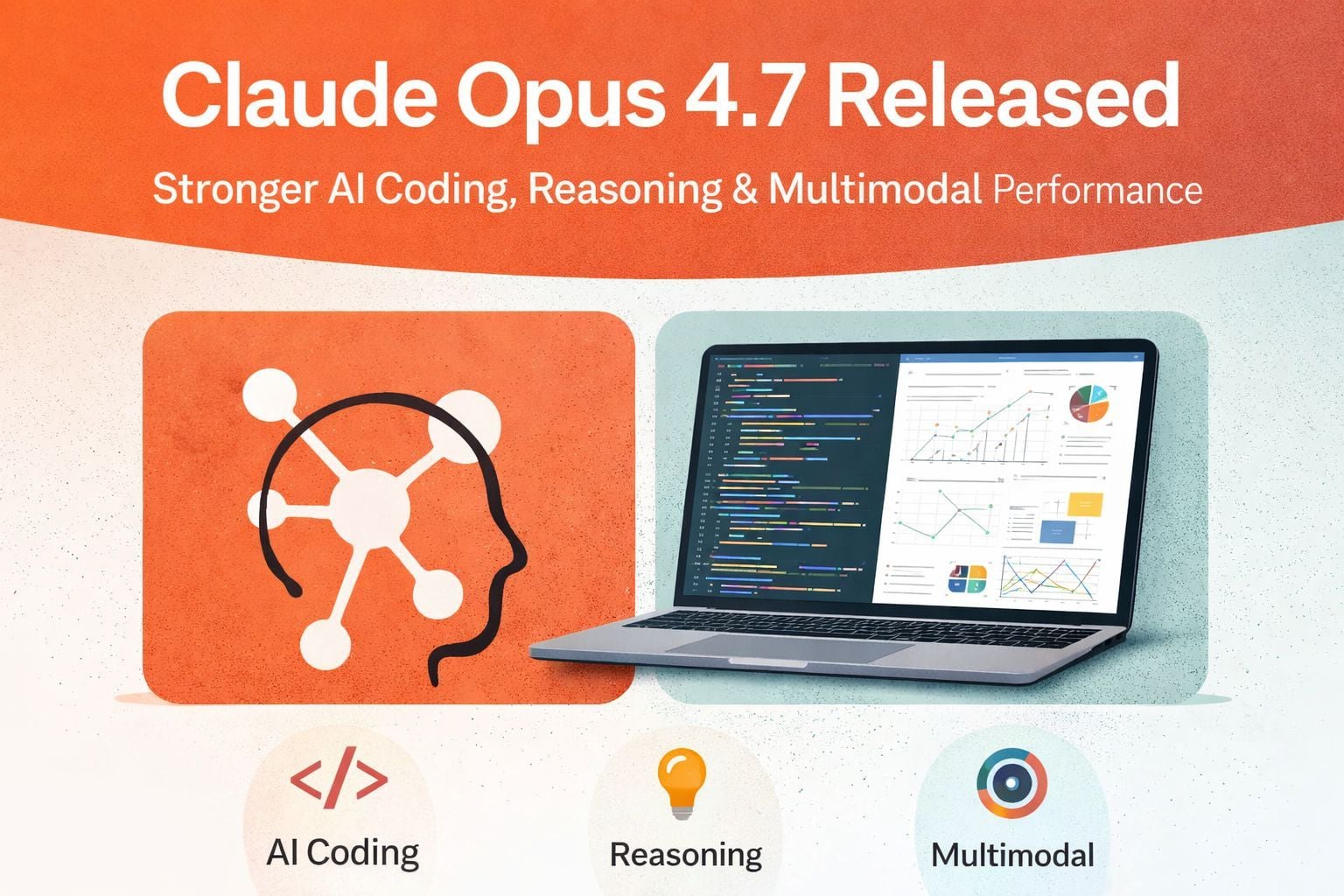
Anthropic has officially released Claude Opus 4.7, describing it as a substantive upgrade over Opus 4.6. The company also issued a warning that prompts designed for older models can now produce results that differ from what users expect.
One of the most notable changes is in image processing. Anthropic says the new model can process images with a long-edge resolution of up to 2,576 pixels, or about 3.75 megapixels. The company characterizes this as more than three times the capacity of Claude’s previous generations.
Anthropic also highlights a new capability for self-checking outputs before reporting results. The company says the model can review its own responses as part of the process of generating an answer.
With higher-resolution image handling, Opus 4.7 is positioned for applications that require reading and interpreting detailed visual information. Anthropic notes potential use cases including:
Early testers cited by Anthropic say they can entrust the platform with the most challenging programming tasks with high confidence. The model is described as handling complex tasks with rigor and consistency and adhering closely to instructions.
Alongside the release, Anthropic warned that prompts created for older models may not produce the same outcomes in Opus 4.7. Users may need to adjust prompt wording to align expectations with the new model’s behavior.

Premium gym chains are entering a “golden era” that is ending or already in decline, as rising operating costs collide with shifting consumer preferences toward more flexible, community-based ways to exercise. Long-term memberships are shrinking, margins are pressured by higher rents and facility expenses, and competition from smaller, more personalized…