•
•
•
•
•
•
•
•
•
•
•
•
•
•
•
•
•
•
•
•
•
•
•
•
•
•
•
•
•
•
•
•
•


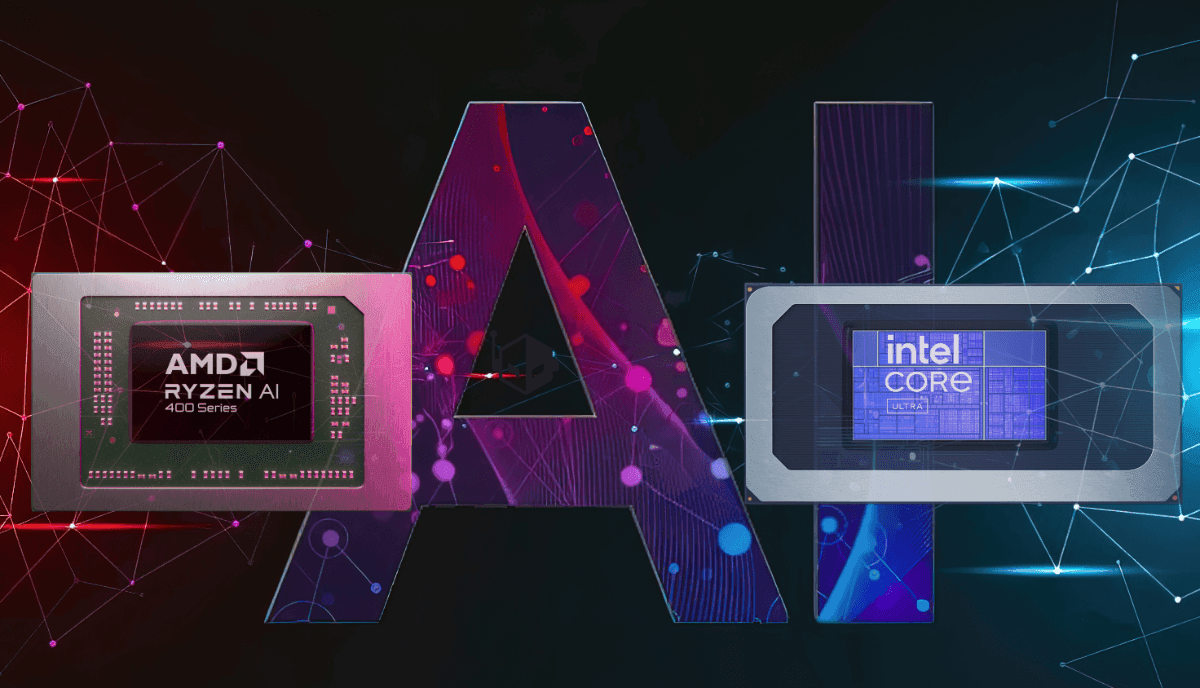
CPUs have long been the “brains” of personal computers, data centers, and many digital devices, but the rise of AI has shifted much of the spotlight to GPUs, which can process many tasks in parallel. That balance is starting to change as AI agents emerge—systems that must plan, coordinate, and interact with external tools rather than simply respond to queries.
AI agents distribute workloads across more steps and layers, increasing the need for CPU coordination. In today’s AI data-center architecture, CPUs are still present in every setup: each CPU is typically paired with 4–8 GPUs to handle coordination and background processing. As AI demand accelerates, GPU counts can rise quickly, but the CPU continues to set the operational “tempo” of the system.
TrendForce estimates that in the current AI data-center model, each gigawatt (GW) of capacity requires about 30 million CPU cores. In the AI-agent era, that figure could increase to 120 million cores. The CPU-to-GPU ratio is also expected to shift from a GPU-heavy configuration toward a more balanced model, moving toward 1:1 or 1:2.
Despite the growing role of CPUs, international reports indicate the market has begun experiencing CPU supply shortages, contributing to higher prices. The shortages are affecting both data centers and the consumer PC market, as well as industrial applications.
Intel and AMD—the two global CPU leaders—are both facing severe shortages. According to the reports, the companies have raised CPU prices by about 15% this year. Nikkei Asia reports that delivery times have lengthened from 1–2 weeks to 8–12 weeks, reflecting the supply-demand mismatch.
WCCFTECH also reports that some chip lines have appeared at prices above initial suggested levels. For example, AMD Ryzen 9 9950X3D2 was listed at 899 USD but is reportedly offered at 999 USD in the market. Intel’s Core Ultra 200S Plus lines are described as facing a similar situation.
KeyBanc says Intel and AMD server CPU output has been “booked solid” this year, and that strong demand could extend into 2027. Shares of the two companies have risen by about 74% for Intel and 25% for AMD since the start of the year.
Semiconductor companies are adjusting strategies to capture the uptrend in CPUs. NVIDIA, which leads the GPU market, has separated its CPU lines such as Grace and Vera into independent products since February.
Arm, the British chip architecture designer, has also moved deeper into data-center CPUs with the launch of “Arm AGI,” described as the first complete CPU product from the company in more than three decades.
Hardware optimization efforts have not yet been sufficient to relieve the shortage. Technologies such as Google’s TurboQuant, which is expected to reduce memory demand, are still in testing and not widely deployed.
CPU shortages are disrupting the global supply chain, affecting everything from PCs to industrial systems. While memory is described as expensive but still accessible, CPUs remain in short supply even in higher-end segments. Analysts say the shortage could persist until manufacturers’ 18A process performance is truly ready.

Premium gym chains are entering a “golden era” that is ending or already in decline, as rising operating costs collide with shifting consumer preferences toward more flexible, community-based ways to exercise. Long-term memberships are shrinking, margins are pressured by higher rents and facility expenses, and competition from smaller, more personalized…