•
•
•
•
•
•
•
•
•
•
•
•
•
•
•
•
•
•
•
•
•
•
•
•
•
•
•
•
•
•
•
•
•

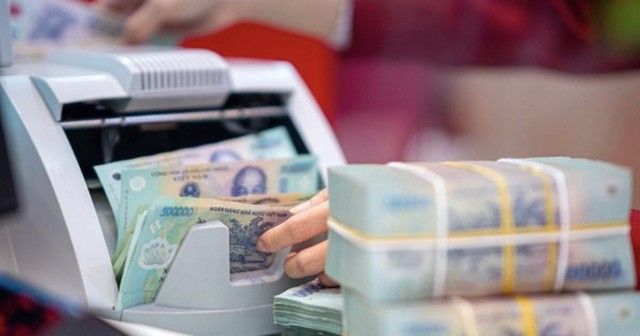
Despite ample liquidity and large-scale support from open market operations and high deposits of the State Treasury, credit growth in the early months of the year remained modest. SHS noted that this development suggests the current policy focus of the authorities is tilted toward stabilizing the money market rather than providing a spur for credit growth. SHS further explained that, in essence, funding from the open market is mainly short-term and can change quickly with policy actions, while Treasury deposits depend on the maturity structure, so they do not imply a capital base stable enough to encourage banks to lend more aggressively. In reality, the pace of money returning to the system after the holiday has not been as fast as expected. In the near term, the policy stance remains geared toward macro stability and volatility control rather than early steps to boost credit growth. Given current developments, the likelihood of easing policy soon to support credit is not really favorable. Moreover, in the first two months of 2026, the deposit rate environment generally trended upward and differentiated clearly between state-owned banks and private banks. Private banks raised rates on medium- and long-term maturities to attract deposits, making rates above 7% per year at 12–24 month terms more common. By the end of January, some banks quoted 12-month rates around 7.2% per year. "However, the adjustment trend is not uniform as some banks still cut rates in February after the early-year increases, indicating banks are closely monitoring liquidity conditions and funding costs. Along with that, the market also saw mortgage lending rates rise significantly in many places after the promotional period ended," SHS said.
The crypto bear market remained in force on Wednesday, with bitcoin slipping back toward the $60,000 area. Sharp pullbacks in gold and oil also weighed on the 2025 “debasement trade,” which had supported hard assets amid concerns about government debt and fiat currencies. Meanwhile, tech—particularly the AI boom—continued…