•
•
•
•
•
•
•
•
•
•
•
•
•
•
•
•
•
•
•
•
•
•
•
•
•
•
•
•
•
•
•
•
•
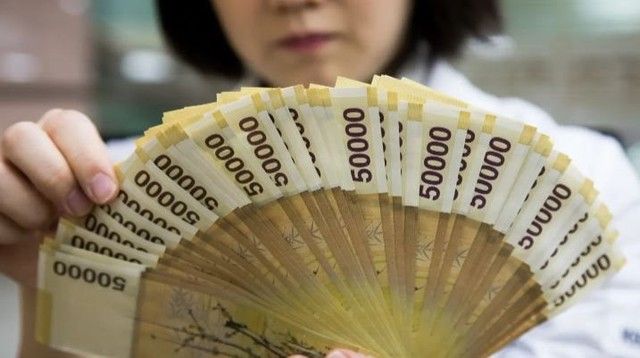
Rarely has a worker’s annual bonus been large enough to warrant a formal warning from a central bank. Yet this phenomenon is unfolding in South Korea, where bonuses in the hundreds of millions of won are being paid to workers in the tech industry as monetary authorities struggle to keep inflation in check.
In a periodic report issued on June 17, the Bank of Korea (BOK) said inflation this year has been pushed higher by energy prices linked to the war in Iran. It added that even if the Middle East conflict cools, domestic inflation pressures are likely to rise as income conditions improve and a “wage-up wave” spreads.
The BOK specifically warned that exceptionally large performance bonuses paid by major tech groups could trigger a domino effect—boosting wage growth across the economy and translating into upstream inflation pressure.
The BOK’s assessment comes as South Korea’s consumer price inflation remains above target. It projected full-year 2026 inflation at 2.7%, which is above the target.
While the central bank noted that one-off bonuses typically do not add much to aggregate demand because they do not represent durable income, it said the situation is different when bonuses become unusually large and outsized.
“Especially, given that IT sector bonuses have been disbursed on an extraordinary scale and without precedent, we cannot rule out the real impact on the economy being much larger than forecast models predict,” the BOK said.
Although detailed financial terms have not been widely disclosed, leaks and reporting suggest large allocations for staff bonuses at both SK Hynix and Samsung Electronics.
Reuters, citing an anonymous union representative, reported that a memory chip engineer with an approximately 80 million won base salary is expected to receive total bonuses of up to 626 million won this year. It also said that if SK Hynix meets its annual profit target of 250 trillion won, the per-employee bonus could exceed 700 million won.
Despite the BOK’s concerns, retailers are upbeat and have launched campaigns aimed at capturing spending tied to the windfall.
At a June 17 press briefing, Deputy Governor Lee Jiho said: “Sales have surged in key areas such as Suwon and in the luxury segment of public shopping centers. The trend appears to be spreading structurally.”
Korean media have also highlighted chip workers’ willingness to spend on luxury goods. In Gyeonggi Province, where Samsung and SK Hynix have fabs, credit card spending in nearby residential districts has risen faster than the rest of the country.
Chosun Ilbo reported that luxury retail at Shinsegae in Gyeonggi rose 53.6% year over year, with high-end jewelry up 146.3% and luxury watches up 85.3%, lifting overall store revenue by about 19%.
Expectations of large purchasing power among tech workers also fueled a speculative surge in shares of major retailers. Lotte Shopping rose 148% year to date and gained 67% in the past quarter. Hyundai Department Store climbed 120% since the start of the year and 113% in the most recent quarter.
According to the article, one market figure warned that the extraordinary windfall could alter consumer behavior and raise the risk of overheating demand in sectors beyond technology.
Source: CNBC, Korea Herald
The crypto bear market remained in force on Wednesday, with bitcoin slipping back toward the $60,000 area. Sharp pullbacks in gold and oil also weighed on the 2025 “debasement trade,” which had supported hard assets amid concerns about government debt and fiat currencies. Meanwhile, tech—particularly the AI boom—continued…