•
•
•
•
•
•
•
•
•
•
•
•
•
•
•
•
•
•
•
•
•
•
•
•
•
•
•
•
•
•
•
•
•


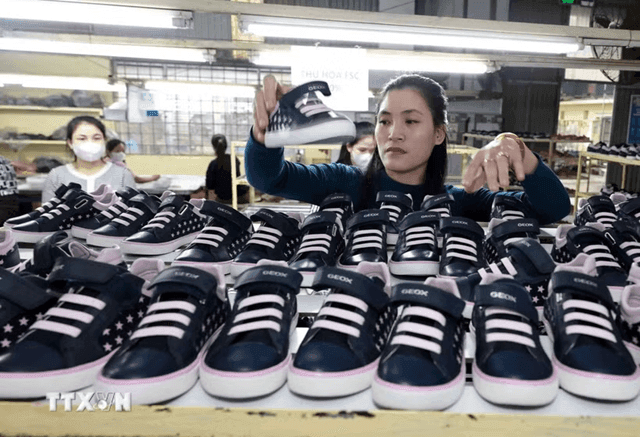
In an environment where technology, processes and even business models can be copied, corporate culture is increasingly viewed as a “soft operating system” and a competitive advantage that is difficult to replicate. To discuss how SMEs can build identity and use culture to attract talent, TTXVN’s journalist interviewed Professor Doctor Mạc Quốc Anh, Secretary of the Party Committee, Vice Chairman and General Secretary of the Hanoi Association of Small and Medium Enterprises.
Professor Doctor Mạc Quốc Anh said the view that corporate culture is a new competitive advantage is valid. While technology, processes or capital can be duplicated, “the spirit of organization, internal trust, and how people collectively create value” cannot be copied through administrative orders.
He noted that Hanoi’s SME community has begun to shift its perception: more businesses understand that long-term growth requires a cultural foundation to retain employees, preserve trust and foster innovation.
According to the professor, young entrepreneurs in services, technology and retail increasingly treat culture as a “soft operating system,” emphasizing employee experience, a learning culture, constructive criticism and transparency. He added that innovation cannot grow in an environment that fears mistakes, fears responsibility and lacks dialogue.
Despite the progress, he said the shift is not uniform. The biggest barrier is short-term managerial thinking: under cash-flow pressure and order-book constraints, many firms prioritize immediate results and treat culture as decoration—superficial campaigns or wall slogans.
Another barrier comes from leaders who do not “live” the culture they promote. For example, a CEO may talk about transparency, but management may operate emotionally, which undermines the intended cultural message.
On competing for talent against large groups and FDI companies with stronger financial capacity, Professor Doctor Mạc Quốc Anh said SMEs may not match salary levels, but they have advantages such as proximity, faster empowerment and flexibility, allowing each individual to feel valued.
He outlined four emotional touchpoints SMEs can execute to attract and retain talent:
He emphasized that the CEO must shift from “using people” to “developing people.” When employees feel respect, growth and belonging, the workplace becomes a long-term hub for contribution.
Addressing the risk of “wallpaper culture,” where culture is reduced to faint branding, Professor Doctor Mạc Quốc Anh said culture is not what a company says it is, but what others perceive it to be—through repeated daily actions.
He proposed four practical steps for CEOs:
When budgets for culture are often the first to be cut during upheaval, Professor Doctor Mạc Quốc Anh said businesses may cut many things in a crisis but must not cut the “spine of the spirit.” He added that culture helps a business move faster in good times and helps it not break in hard times, noting that many failures stem from broken trust rather than lack of capital.
To maintain culture in difficult periods, he suggested three pillars:
He concluded that the question is not whether to cut culture, but which essence of culture to preserve so the enterprise can weather the storm—making culture the most valuable social capital to save the business.
Ngọc Quỳnh
VietnamPlus, 13:00 01/05/2026




Premium gym chains are entering a “golden era” that is ending or already in decline, as rising operating costs collide with shifting consumer preferences toward more flexible, community-based ways to exercise. Long-term memberships are shrinking, margins are pressured by higher rents and facility expenses, and competition from smaller, more personalized…




