•
•
•
•
•
•
•
•
•
•
•
•
•
•
•
•
•
•
•
•
•
•
•
•
•
•
•
•
•
•
•
•
•


The energy shock from the US–Iran conflict has hit Asia harder and earlier, leaving policymakers with limited options to protect growth and stabilize prices. Before the conflict, Asia accounted for about 80% of oil shipped through the Hormuz Strait. With the Hormuz route still blocked by Iran, JPMorgan Chase analysts warn that Asia will face a more severe gasoline shortage in April and May. In Manila, diesel prices have tripled, and fuel shortages for aircraft have appeared in many Asian countries. In South Korea, major cosmetics firms are struggling to source plastics for packaging, including for moisturizers.
Analysts say the Gulf conflict’s impact on Asian economies is inflationary and growth-straining, with effects that could be stronger than in other regions. Asian currencies—some of which were already weak—are under heavy selling pressure, making them among the world’s weakest performers. The situation echoes the Asian financial crisis and places policymakers in a difficult position: raise interest rates and use foreign-exchange reserves to defend exchange rates, or accept further currency depreciation.
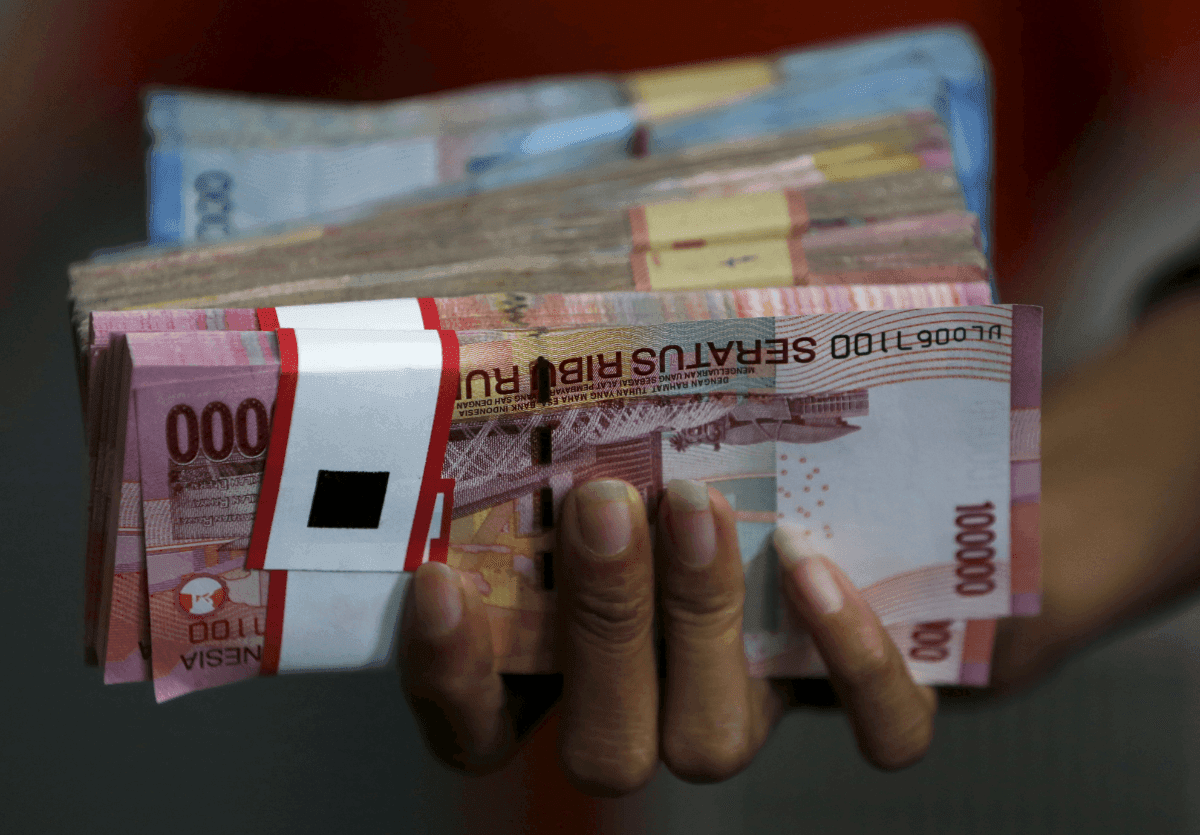
The Indian rupee, Indonesian rupiah, and Philippine peso have fallen to record lows against the dollar this month. The Japanese yen and South Korean won have also dropped sharply.
Alicia García Herrero, regional chief economist for Asia–Pacific at Natixis in Hong Kong, said: “The key issue is that Asian currencies were already weak. Central banks have few effective tools to respond. The economy will slow, and policy space to cut rates further is limited—not only because of inflationary pressures but also because they have already cut rates too much previously.”
In March, the US dollar strengthened notably in Asia, rising more than 4% versus the won, peso and Thai baht, and by about 1.5% versus the euro. Asian currencies remain near record lows as the dollar benefits from safe-haven demand tied to the Middle East conflict, adding pressure on regional central banks.
There are no simple solutions beyond importing more oil, and other measures do not fully address shortages that have spread beyond fuel to plastics and fertilizers. Tightening monetary policy could further slow economies that need support. Fuel subsidies are costly, and in some emerging markets or budget-constrained countries such measures could draw negative reactions from bond markets. Direct intervention in currency markets can also be costly and risky in volatile foreign-exchange conditions.
Sonal Varma, Nomura’s chief Asia economist (excluding Japan), said: “I don’t think there’s an easy policy option at this stage. Whether it’s currency, monetary policy, or fiscal policy, macro variables will be affected. Each country will need to determine which trade-off suits its circumstances.”
Australia has raised rates since the conflict began, while other economies in the region have used currency guidance, monetary interventions, and non-traditional tools to curb energy-price surges and stabilize financial markets. South Korea has used its national pension fund to hedge currency risk and defend the won. India and Indonesia have intervened to protect their currencies and adjusted market-operating rules. Japan has warned about exchange-rate intervention as the yen nears multi-decade lows. The Philippines has declared a state of emergency, allowing peso depreciation while signaling readiness to act.
HSBC economist Fred Neumann said: “There isn’t a single playbook. There’s an acknowledgment in Asia that a fundamental shift in exchange-rate regimes is unlikely, and authorities can only mitigate the impacts.”
Most Asian countries still hold healthy foreign-exchange reserves and are not facing the same outflow pressures seen in past crises. India reportedly had about $698 billion in reserves as of March 20, sufficient to cover more than 11 months of imports. Indonesia and the Philippines each have reserves to cover roughly six months of imports.
With currency-market intervention unlikely to blunt the dollar’s strength, central banks may need to rely on more adaptive approaches. Neumann suggested “flexibility is essential,” including unscheduled meetings and more frequent communications with markets to provide clear and honest assessments.
The article also points to a wider pattern of policy responses across Asia, including changes in energy procurement and currency-management practices as countries attempt to manage the ongoing energy-price shock and the resulting inflationary pressures.

Premium gym chains are entering a “golden era” that is ending or already in decline, as rising operating costs collide with shifting consumer preferences toward more flexible, community-based ways to exercise. Long-term memberships are shrinking, margins are pressured by higher rents and facility expenses, and competition from smaller, more personalized…