•
•
•
•
•
•
•
•
•
•
•
•
•
•
•
•
•
•
•
•
•
•
•
•
•
•
•
•
•
•
•
•
•


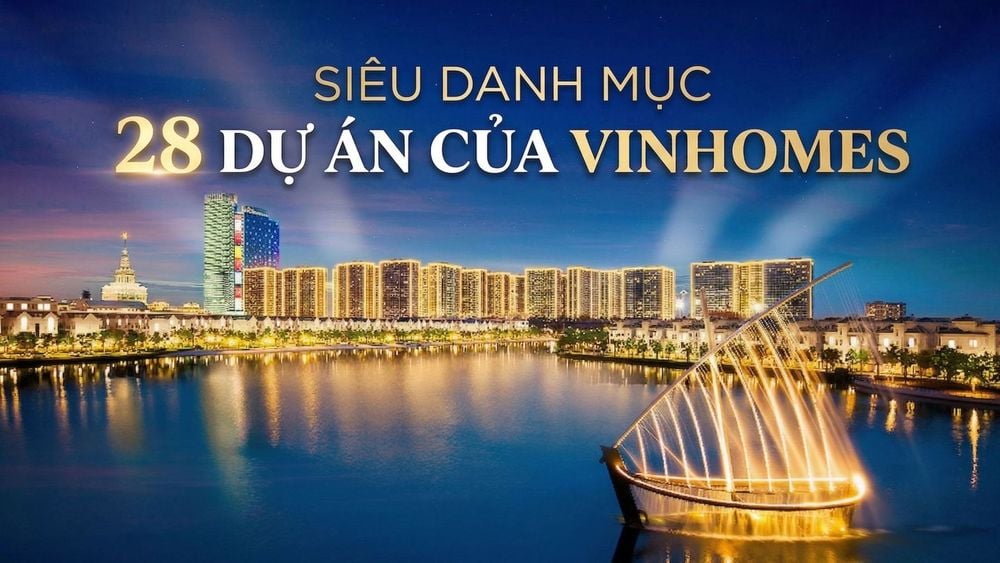
Data from Vietcap on 28 real estate projects totaling about 38,000 hectares helps clarify the role of the developers and the economic benefits for Vingroup and Vinhomes.
According to Vietcap, Vingroup directly serves as the developer for key northern projects, including Vinhomes Wonder Park in Hanoi, Vinhomes Royal Island in Hai Phong, Vinhomes Quang Hanh in Quang Ninh, and Vinhomes Tan Lieu in Bac Giang. In these land banks, Vingroup maintains economic interest of 95% to 99%. The parent group’s direct participation is also reflected in the social housing segment with the Happy Home Thanh Hoa project, where Vingroup holds 99% of the equity.
Meanwhile, Vinhomes Joint Stock Company and its subsidiaries are the core operators for flagship urban mega-developments. Vinhomes owns 100% interests in Vinhomes Ocean Park 2, Vinhomes Ocean Park 3, Vinhomes Golden Avenue, and southern strategic land banks such as Vinhomes Cam Lâm, Vinhomes Green Paradise, and Vinhomes Phước Vĩnh Tây.
For a special project like Vinhomes Ha Long Xanh, covering more than 5,500 hectares, a joint-venture model applies with a 70% share for Vinhomes and 30% for Vingroup.
Industrial real estate valued at around $1.2 billion belongs to whom? In addition to residential and commercial properties, the ecosystem owns an industrial real estate portfolio and dedicated infrastructure with net asset value totaling about $1.2 billion. Control of this business is entrusted to Vinhomes subsidiaries.
Specifically, four major industrial parks are being developed: Vung Ang in Ha Tinh, along with Nam Trang Cat, Ngu Phuc and Tan Trao in Hai Phong. The total area of these parks is about 1,630 hectares, all managed by Vinhomes member units with economic ownership ranging from 99.2% to 99.8%.
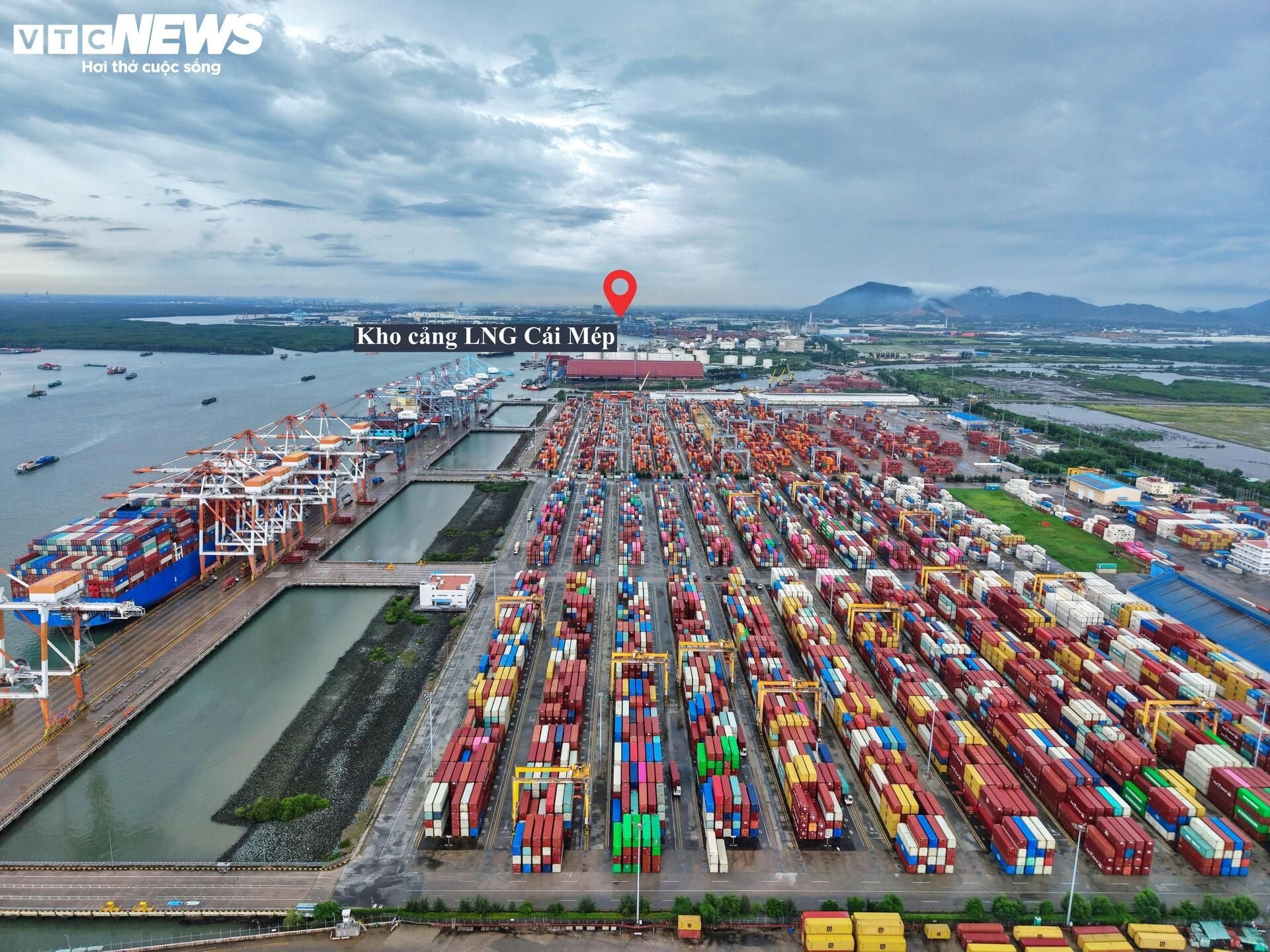
In Ha Tinh, the Son Duong International Port infrastructure and the rental warehouses serving the EV supply chain are fully operated by a legal entity under Vinhomes. Vietcap notes that the transfer of the industrial park segment to Vinhomes reflects a strategy to diversify income streams from manufacturing real estate beyond urban projects.
Clear project ownership is described by Vietcap as a key to decoding the revenue reflected on each company’s balance sheet. The backlog value of real estate contracts signed but not delivered for VHM was VND 186,400 billion as of the end of 2025.
In terms of actual cash receipts in 2025 (standalone for Vingroup), customer prepayments totaled more than VND 55,600 billion. Of this, VND 46,246 billion came directly from projects registered under the parent company, accounting for 17.3% of standalone liabilities.
For Vinhomes, according to the consolidated Q4 2025 financial statements, the balance of customers paying in advance exceeded VND 94,300 billion, equivalent to 34.6% of total liabilities.


Premium gym chains are entering a “golden era” that is ending or already in decline, as rising operating costs collide with shifting consumer preferences toward more flexible, community-based ways to exercise. Long-term memberships are shrinking, margins are pressured by higher rents and facility expenses, and competition from smaller, more personalized…