•
•
•
•
•
•
•
•
•
•
•
•
•
•
•
•
•
•
•
•
•
•
•
•
•
•
•
•
•
•
•
•
•


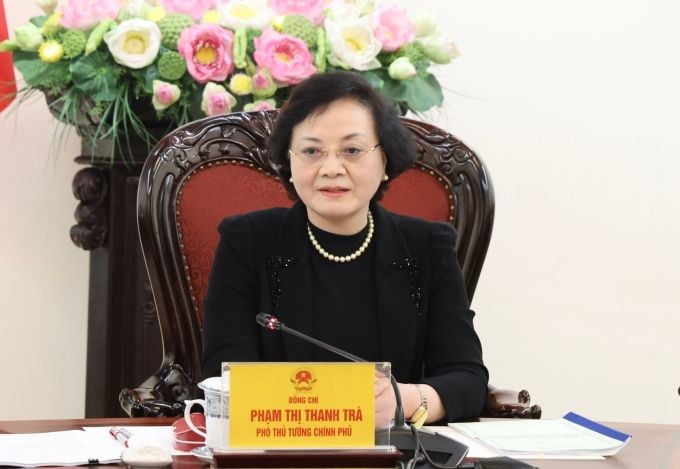
Deputy Prime Minister Pham Thi Thanh Tra has called for piloting a mechanism to hire chief executive officers (CEOs) of state-owned enterprises, rather than relying solely on appointments under the planning regime. She made the request during a meeting on February 25 to discuss a draft Decree governing personnel and the state’s stake in enterprises.
The deputy prime minister said the draft decree should include a separate clause to pilot the CEO hiring mechanism for state-owned enterprises. She emphasized that, when implementing the hiring approach, rigid requirements related to planning, seniority, or tenure should not be applied, provided the selected candidate has managerial capacity and a tangible product.
Deputy Prime Minister Tra also noted that once authority is delegated, decision-making should be substantive and not delayed by additional layers seeking input, which could reduce enterprise autonomy.
Tra reiterated the core principle of shifting from administrative control toward value-creating development and modern governance. She said that by 2030, all state-owned groups and corporations should adopt OECD governance standards.
She further called for stronger delegation and empowerment, with clear delineation of appointment powers among the Prime Minister, the ownership representative agency, and the enterprises, to avoid overlap and gaps.
The deputy prime minister said two key positions should be prioritized: the chair of the member council and the CEO, as these roles shape strategic planning and operational management.
In addition to the delegation framework, the decree should specify cases of “necessary and urgent” appointments and removals, along with processes for personnel decisions, to ensure flexibility in management.
By 2025, Vietnam has 671 state-owned enterprises, representing 0.23% of total enterprises but holding assets of more than 4 quadrillion dong. They contribute 27.2% of total State budget revenue.
In the banking sector, state-owned banks have total assets of 9.36 quadrillion dong, accounting for about 50% of the system’s credit market share.
The Ministry of Home Affairs has been tasked with finalizing the draft decree and submitting it to the government in March.
Premium gym chains are entering a “golden era” that is ending or already in decline, as rising operating costs collide with shifting consumer preferences toward more flexible, community-based ways to exercise. Long-term memberships are shrinking, margins are pressured by higher rents and facility expenses, and competition from smaller, more personalized…