•
•
•
•
•
•
•
•
•
•
•
•
•
•
•
•
•
•
•
•
•
•
•
•
•
•
•
•
•
•
•
•
•


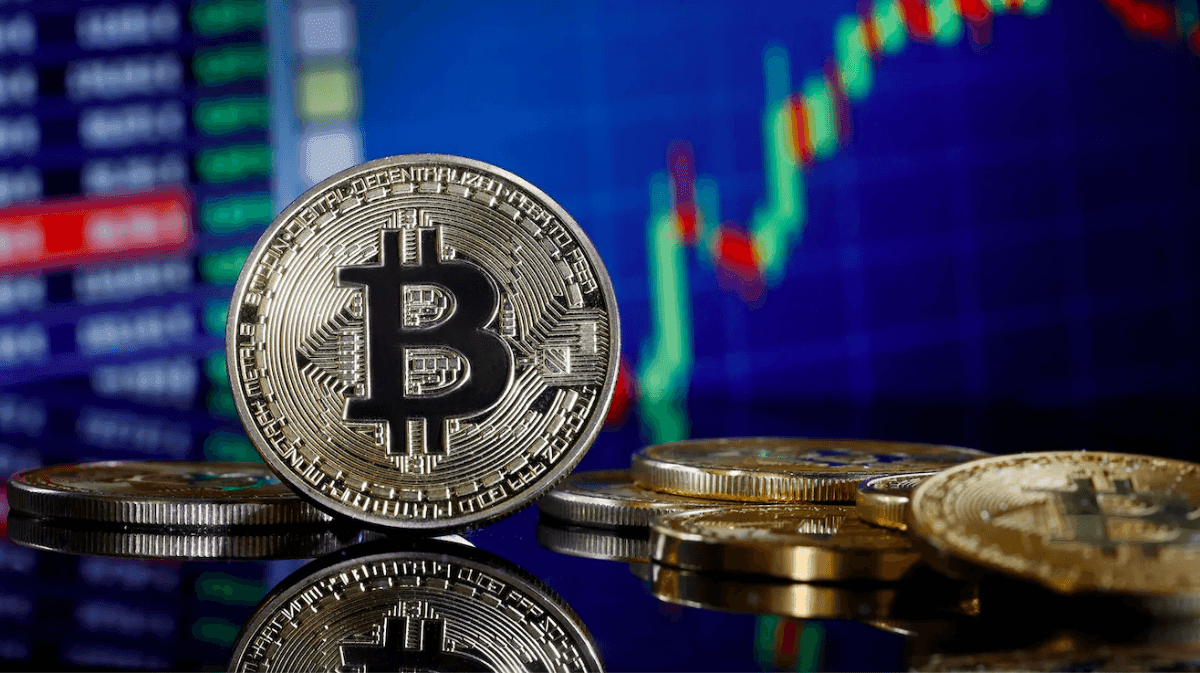
Vietnam plans to launch a crypto asset exchange in the second quarter of 2026, following government directives to implement science and technology breakthrough resolutions and to pilot the crypto asset market for 2026–2030. The initiative is also intended to support future infrastructure for tokenized real-world assets, linking crypto trading with real-economy asset ownership through a dual-exchange model.
Under the adoption of Resolution 05 CP and related circulars guiding activities in the crypto asset market, the Ministry of Finance is finalizing and issuing implementation guidelines. The planned crypto asset exchange is positioned not only as a domestic platform for digital currencies, but as a step toward building an operating system for a new generation of finance.
The article describes the crypto market as only the “tip of the iceberg” for digital capital. To channel digital capital into the real economy, it argues that investors need direct connections to real assets via a dedicated tokenized real asset exchange. It cites a layered approach used in other markets, where innovation is promoted while system safeguards are maintained and liquidity is enabled—allowing investors to move from liquid cryptocurrencies to ownership in areas such as infrastructure, real estate, or green energy within a single digital ecosystem.
The article highlights South Korea and Japan as examples of separating crypto platforms from tokenized real-asset or digital securities infrastructure.
South Korea is described as maintaining strict separation between public crypto platforms run by private firms and dedicated STO/RWA exchanges. Examples cited include Korea Exchange and the Kasa platform for tokenized real assets. In 2023, the Financial Services Commission issued a framework for digital securities and prepared Korea Exchange to launch a centralized STO market after the Kasa pilot.
Japan is described as standardizing infrastructure through a joint issuance platform, Progmat, built by three major banks in 2021. The platform supports issuance and custody of tokenized securities under a common technical standard, with asset values expected to reach 1.5 trillion yen by end-2026. The article also notes that Japan separates crypto from digital securities, and that in 2023 the Osaka Digital Exchange began operating a secondary market for security tokens. It attributes investor trust to standardization under the revised Payment Services Act and a tiered exchange framework, as Japan seeks to become a regional hub for digital finance.
The article proposes a roadmap to build the dual-exchange structure.
The Ministry of Finance should issue a circular on a controlled sandbox for STOs in 2026–2027. The framework should define legal ownership of tokenized real assets such as stocks, bonds, real estate, infrastructure, and revenue rights. It also calls for a three-to-five-year pilot of a dedicated asset-backed securities exchange similar to Korea’s Kasa or Japan’s ODX, followed by amending the Securities Law to finalize a digital securities framework by 2030.
All activities on both the crypto asset exchange and the digital securities exchange should connect to national identity-based bank accounts via VNeID level 2, following the safeguard approach referenced in Korea’s model.
The article recommends building a shared technology infrastructure supported by domestic reputable banks and technology firms. It argues this would help firms tokenize assets, avoid fragmentation, and enable interoperability across tokenized assets as the market develops.
It also suggests assigning guaranty and advisory roles to large financial institutions and attracting blue-chip companies to issue digital securities. The article argues that tokens issued by major firms and backed by real assets—vetted by reputable institutions—can provide higher-quality supply and attract investors. It further calls for a standard framework to assess creditworthiness of assets, both tokens and digital securities, to exclude “junk assets” and ensure both exchanges support technology while connecting digital capital to the real economy.
Overall, the article frames the dual-exchange roadmap as both a technological trend and a strategic requirement to reposition Vietnam in the era of digital finance. It argues that operating the crypto exchange for speed and flexibility alongside the digital securities exchange for sustainable value could help the Vietnamese crypto asset market develop with transparency, safety, and growth.
The article concludes that realizing the dual-exchange model will require coordinated policy development to support ongoing growth in the digital asset market.

Premium gym chains are entering a “golden era” that is ending or already in decline, as rising operating costs collide with shifting consumer preferences toward more flexible, community-based ways to exercise. Long-term memberships are shrinking, margins are pressured by higher rents and facility expenses, and competition from smaller, more personalized…