•
•
•
•
•
•
•
•
•
•
•
•
•
•
•
•
•
•
•
•
•
•
•
•
•
•
•
•
•
•
•
•
•


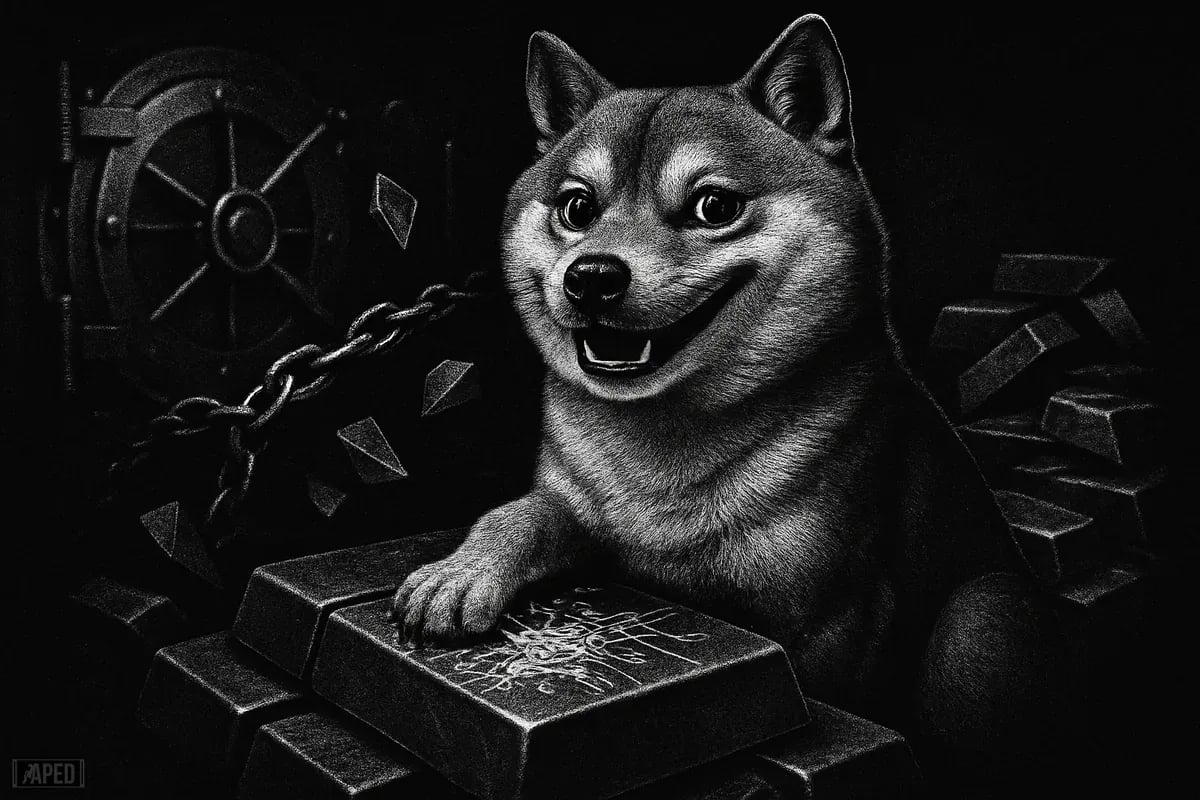
A DOGE-themed company is exploring tokenized gold, aiming to bring an old-school hard asset into crypto rails that are easier to move, split, and trade than physical bullion. The concept is straightforward: wrap physical gold in blockchain-based infrastructure and sell investors a more convenient version of the underlying metal.
The pitch blends two contrasting narratives. Dogecoin-linked branding is associated with retail attention and online trading, while gold is widely viewed as conservative and historically defensive. For a DOGE-adjacent business, tokenized gold can function as a credibility upgrade by shifting the story from pure meme speculation toward real-world asset trading.
This is not a blank-slate idea. Tokenized gold products already have established issuers, including Tether Gold (XAUT) and PAX Gold (PAXG). Based on the source pricing data, XAUT was recently around $4,841 and PAXG around $4,846, each moving roughly 1% on the day.
These products generally track spot gold closely, while offering crypto-native features such as 24/7 transferability and exchange access. The core value proposition is convenience and divisibility, paired with on-chain settlement wrapped around a long-standing asset.
In many tokenized gold models, each token represents a claim on a specific amount of physical gold held in custody. The details are central to whether the product is credible, including who stores the metal, whether the bars are audited, how redemption works, and what legal rights token holders have.
The move aligns with a broader crypto shift toward real-world assets (RWAs). RWAs have remained a persistent narrative because they connect blockchain infrastructure to instruments people already understand. Within that theme, gold occupies a middle ground: it is easier for retail investors to interpret than tokenized credit, and it is less politically loaded than some dollar-linked structures. It also fits a hedge narrative during volatile periods.
Even with a recognizable theme, tokenized gold is trust-heavy and operationally demanding. The article highlights three main risks:
There is also a perception gap. Dogecoin culture is built around irony, community, and speculative energy, while gold buyers—whether in crypto or not—often prioritize stability and predictability. The firm will need to clarify whether it is selling a serious bullion product with a humorous wrapper or using the RWA framing primarily as marketing.
The key takeaway is less about a DOGE-branded firm choosing gold and more about crypto’s broader search for products that can last beyond attention cycles. Tokenized gold offers a category with existing demand, visible benchmarks, and economics that may be cleaner than many native crypto experiments. At the same time, the article emphasizes that branding cannot replace proof of reserves, custody arrangements, and liquidity.
The proposal is framed as a test of execution: whether a Dogecoin-flavored brand can compete in a market where trust, custody, and liquidity matter more than “vibes.” If the company delivers audited backing, clear redemption terms, and real exchange liquidity, it could find a niche by making gold more legible to crypto retail. If the structure remains unclear or relies too heavily on the DOGE gimmick, adoption may stall and established products such as PAXG and XAUT could retain their advantage.

Premium gym chains are entering a “golden era” that is ending or already in decline, as rising operating costs collide with shifting consumer preferences toward more flexible, community-based ways to exercise. Long-term memberships are shrinking, margins are pressured by higher rents and facility expenses, and competition from smaller, more personalized…