•
•
•
•
•
•
•
•
•
•
•
•
•
•
•
•
•
•
•
•
•
•
•
•
•
•
•
•
•
•
•
•
•


Bloating and abdominal distension can be more than just a reaction to eating habits. Recent studies suggest gut health may be one of the factors linked to longevity, making it important to pay attention to signals from the body—particularly those coming from the digestive system.
According to Dr. Vo Thi Thuy Trang of the Department of General Medicine at Vinmec International Hospital Da Nang, bloating and distension may be associated with digestive conditions such as colitis, kidney stones, or gallstones. The symptoms often come with dull abdominal pain, heartburn, nausea, or vomiting.
Bloating and distension typically occur when gas accumulates in the stomach or intestines, leading to a tight, uncomfortable feeling in the abdomen. This sensation may happen several times a day and can be accompanied by abdominal discomfort, cramping, a sense of fullness, gurgling, or more frequent flatulence than usual.
Gas buildup in the stomach or intestines is a common mechanism behind bloating. However, persistent or recurring symptoms may also reflect underlying digestive problems, including colitis, kidney stones, or gallstones—especially when accompanied by pain, heartburn, nausea, or vomiting.
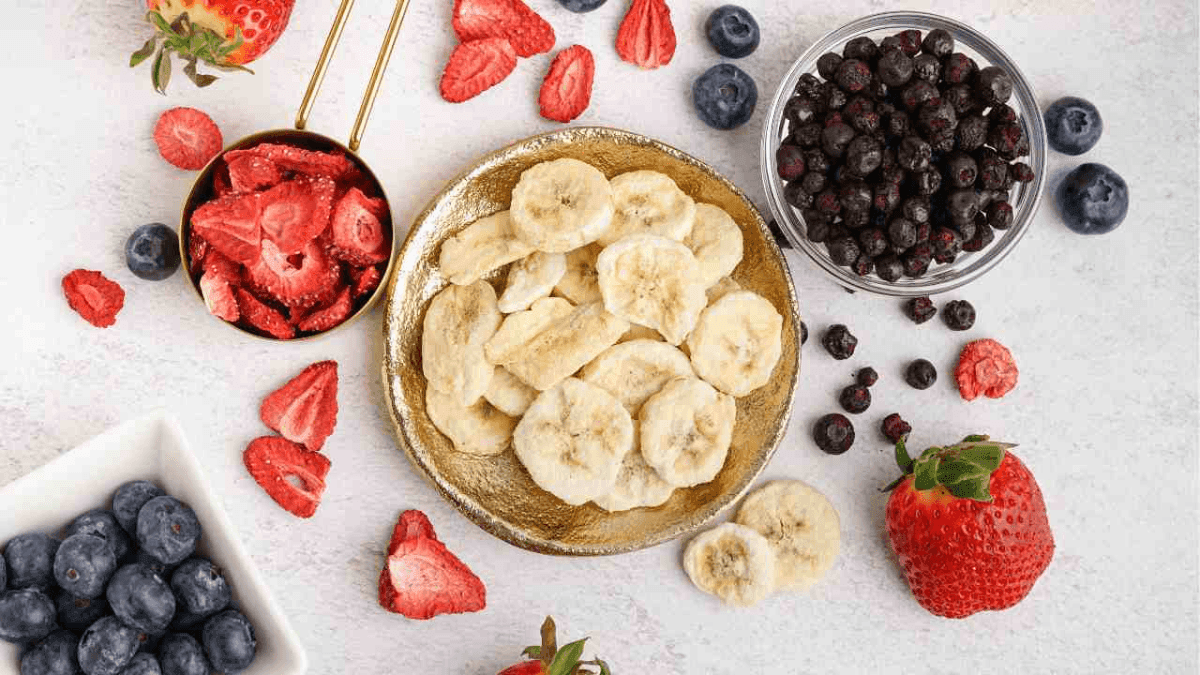
To support the gut microbiota, maintaining a fiber-rich diet is important because fiber acts as a “food source” for beneficial bacteria in the colon, helping support digestive balance.
There are two types of fiber: soluble and insoluble. Both are needed for digestive health and regular bowel movements. Soluble fiber is often more suitable for people with irritable bowel syndrome or those prone to bloating.
Foods rich in soluble fiber include oats, barley, water spinach, Brussels sprouts, oranges, black beans, and sweet potatoes.
According to the Dietary Guidelines for Americans 2020–2025, people over 2 years old should consume about 14 grams of fiber per 1,000 calories. However, too much fiber can also cause digestive discomfort, so intake should match individual needs.
A 2021 study found that walking 10–15 minutes after meals can significantly improve digestive discomfort, including bloating. Light activity may help the digestive system work more smoothly by stimulating intestinal peristalsis and supporting the expulsion of gas.
Thorough chewing supports digestion because it is the first step in processing food. Chewing mechanically breaks down food, while saliva releases enzymes that assist digestion. A 2025 study suggests this process can help the body absorb nutrients more efficiently.
Chewing longer can also help “soften” food before it moves deeper into the digestive tract, which may be especially helpful for people who frequently experience digestive issues. Eating more slowly can also help people notice fullness cues and reduce the risk of overeating—an often-cited contributor to bloating and discomfort after meals.
Raw vegetables are often harder to digest than cooked ones. For people prone to bloating, gas buildup, or stomach cramps, switching to cooked vegetables may ease digestive strain.
Keeping a stable eating schedule can help the digestive system function more comfortably. For those who frequently experience bloating or digestive issues, dividing meals into smaller, more frequent portions may be more suitable than eating one large meal, since large meals can place more pressure on the digestive system at once.
If bloating and abdominal distension persist without signs of relief, it is recommended to visit a clinic or hospital to achieve the best possible outcome.
Premium gym chains are entering a “golden era” that is ending or already in decline, as rising operating costs collide with shifting consumer preferences toward more flexible, community-based ways to exercise. Long-term memberships are shrinking, margins are pressured by higher rents and facility expenses, and competition from smaller, more personalized…