•
•
•
•
•
•
•
•
•
•
•
•
•
•
•
•
•
•
•
•
•
•
•
•
•
•
•
•
•
•
•
•
•


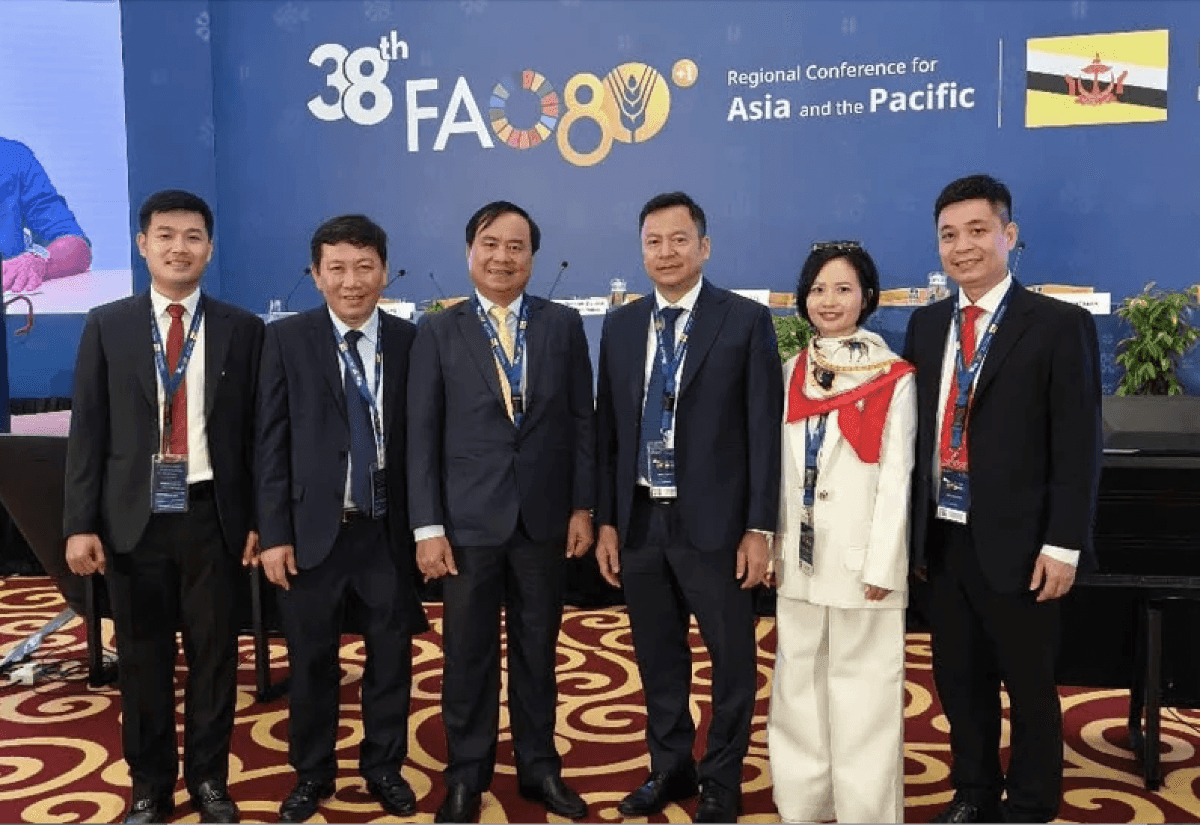
The 38th FAO Asia-Pacific Regional Conference (APRC 38) took place from April 20–24, 2026, in Bandar Seri Begawan, Brunei Darussalam. The regional forum focused on policies and priorities for cooperation in agriculture, food security and rural development across the Asia-Pacific.
In remarks at the sidelines of the conference, FAO Director-General Qu Dong Ngoc said small island developing states, least developed countries and landlocked developing countries face persistent structural vulnerabilities in agricultural development and food security. He cited mounting pressure from climate change, supply-chain disruptions and shifting global trade dynamics, alongside geographic isolation, high transport costs, climate vulnerability, limited fiscal space and heavy dependence on food imports—factors that increase sensitivity to global shocks.
Despite these challenges, the Director-General pointed to a basis for optimism, noting that many countries in the region are pursuing approaches to transform the agri-food system. He said Asia-Pacific countries are accelerating the application of digital technologies, strengthening climate resilience, promoting inclusive rural development and mobilizing investment through new models of cooperation.
During ministerial sessions, Bhutan, Laos, Papua New Guinea and Tonga shared experiences related to sustainable development, policy governance, farm production, and responses to climate and economic shocks. Cambodia, Mongolia and Tuvalu focused on financial solutions and strategic partnerships to strengthen agri-value chains, improve access to investment and build climate resilience.
Speaking at the APRC plenary, Deputy Minister of Agriculture and Rural Development Vo Van Hung said Vietnam highly values FAO’s leadership in helping member states adapt to an increasingly complex global environment. He reaffirmed the government’s commitment to FAO’s Strategic Framework and Vietnam’s “4 Better” vision: Better Production, Better Nutrition, Better Environment and Better Life.
Vietnam said it agrees with FAO’s view that innovation is central to transforming the agricultural-food system to make it more efficient, inclusive, resilient and sustainable. The government identified innovation as the main driver and strategic pillar for ensuring food security in a changing global environment.
Vietnam emphasized that transformation should be people-centered and development-driven. It said policies should protect farmer livelihoods and strengthen value-chain linkages through rural development, processing industries and agricultural services. It also highlighted the development of cooperative systems and value-chain linkages, along with public-private partnerships, as “soft infrastructure” to bring new technologies and international standards directly to farmers.
Vietnam’s representatives said resilience to climate and market fluctuations should be embedded in long-term policies and investment strategies rather than handled through ad hoc emergency measures. On international cooperation, Vietnam said it attaches importance to strategic partnerships that support transparent value chains with stronger resilience, while mobilizing private capital and supporting international standards on sustainable development, traceability and market access.
Vietnam also proposed that FAO and partners co-create model practices in Vietnam to lay groundwork for South-South cooperation and to promote innovation and transformation of agri-food systems toward transparency, accountability and sustainability.
Australia said it regards Vietnam as an equal partner in the twin transformation strategy and in its implementation. It highlighted Vietnam–Australia and Vietnam–Korea cooperation patterns as examples of green and digital collaboration aimed at driving sustainable growth.



Premium gym chains are entering a “golden era” that is ending or already in decline, as rising operating costs collide with shifting consumer preferences toward more flexible, community-based ways to exercise. Long-term memberships are shrinking, margins are pressured by higher rents and facility expenses, and competition from smaller, more personalized…




