•
•
•
•
•
•
•
•
•
•
•
•
•
•
•
•
•
•
•
•
•
•
•
•
•
•
•
•
•
•
•
•
•


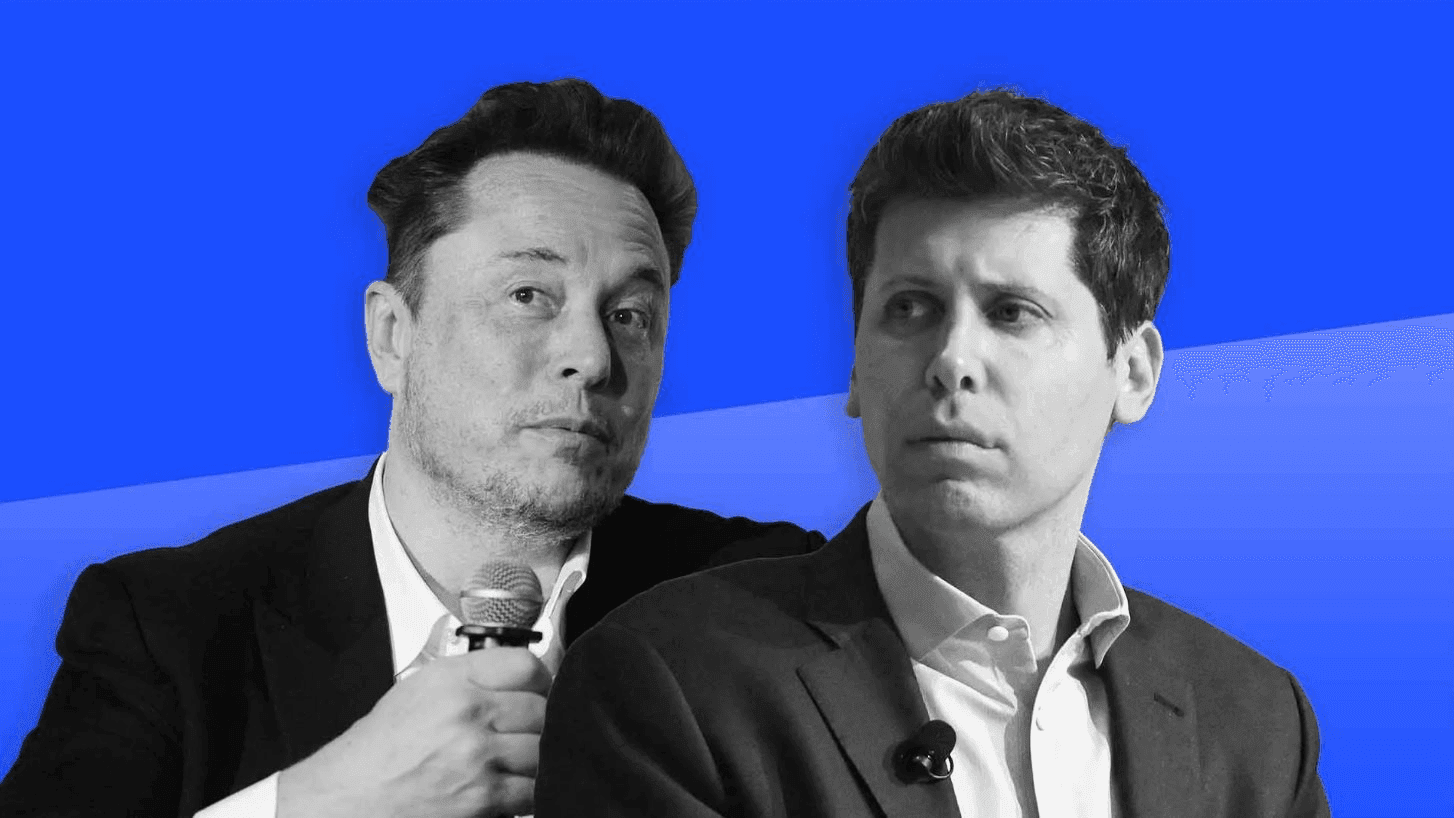
Elon Musk returned to the witness stand on Wednesday for the third day of the Elon Musk–Sam Altman lawsuit, as OpenAI lawyers presented evidence aimed at showing that Musk sought to pressure the organization after a power struggle failed. The testimony described not only ideological disagreements, but also a broader effort to influence OpenAI through financial leverage and personnel moves.
One of the most striking details presented in court was that Musk halted pledged funding as soon as the dispute over control emerged. Since 2016, Musk had been sending $5 million per quarter to OpenAI as part of a promise to fund $1 billion at launch. In spring 2017, that cash flow was abruptly cut.
In an August 2017 email disclosed in court, Jared Birchall—head of Musk’s family office—asked whether the payments should continue. Musk’s response was a single word: “Yes.” At the time, Musk was described as OpenAI’s primary funder, and the abrupt halt was characterized as a “financial chokehold” on a rapidly growing OpenAI.
OpenAI’s lawyer William Savitt also presented emails from September 2017 involving Musk, Sam Altman, Greg Brockman, and researcher Ilya Sutskever. The discussions centered on forming a for-profit arm for OpenAI.
In the emails, Musk pressed a demand for the right to appoint four members to the board, which would have given him voting power greater than all other founders combined, who held three seats. Musk wrote: “I will have initial control of the company clearly, but this will change quickly.”
Sutskever rejected the proposal, according to the testimony, citing concerns about concentrating too much power in one individual. The evidence presented suggested that when Musk could not secure control at the negotiating table, he shifted toward weakening the organization from within.
While still a board member in October 2017, Musk directed executives at Tesla and Neuralink to begin recruiting key OpenAI personnel. An email to a Tesla vice president about recruiting Andrej Karpathy described Musk’s view of the situation: “People at OpenAI would surely want to kill me, but this must be done.”
The court also heard that Musk approved recruitment efforts involving Ben Rapoport, a co-founder of Neuralink, to recruit directly from OpenAI.
Musk, during his testimony, argued that restricting staff from seeking new opportunities was illegal and said he did not want to form a “bloc” to prevent people from working where they want.
Another detail highlighted was a February 2018 message between Musk and Shivon Zilis, then a member of OpenAI’s board and the mother of his child. In the message, Musk admitted: “We will actively move 3 or 4 people from OpenAI to Tesla. More will join over time, but we will not actively recruit them.”
When Zilis asked whether to maintain a good relationship with OpenAI or gradually separate, Musk instructed her to stay “friendly and close.” This was presented as a tactical approach to maintain access and information while carrying out a plan to drain OpenAI of staff.
The trial is expected to continue with cross-examination of Jared Birchall and Greg Brockman. The evidence presented so far, according to the reporting cited, is intended to portray Musk as using both finance and power to pursue ultimate control in the global AI race.





Premium gym chains are entering a “golden era” that is ending or already in decline, as rising operating costs collide with shifting consumer preferences toward more flexible, community-based ways to exercise. Long-term memberships are shrinking, margins are pressured by higher rents and facility expenses, and competition from smaller, more personalized…