•
•
•
•
•
•
•
•
•
•
•
•
•
•
•
•
•
•
•
•
•
•
•
•
•
•
•
•
•
•
•
•
•


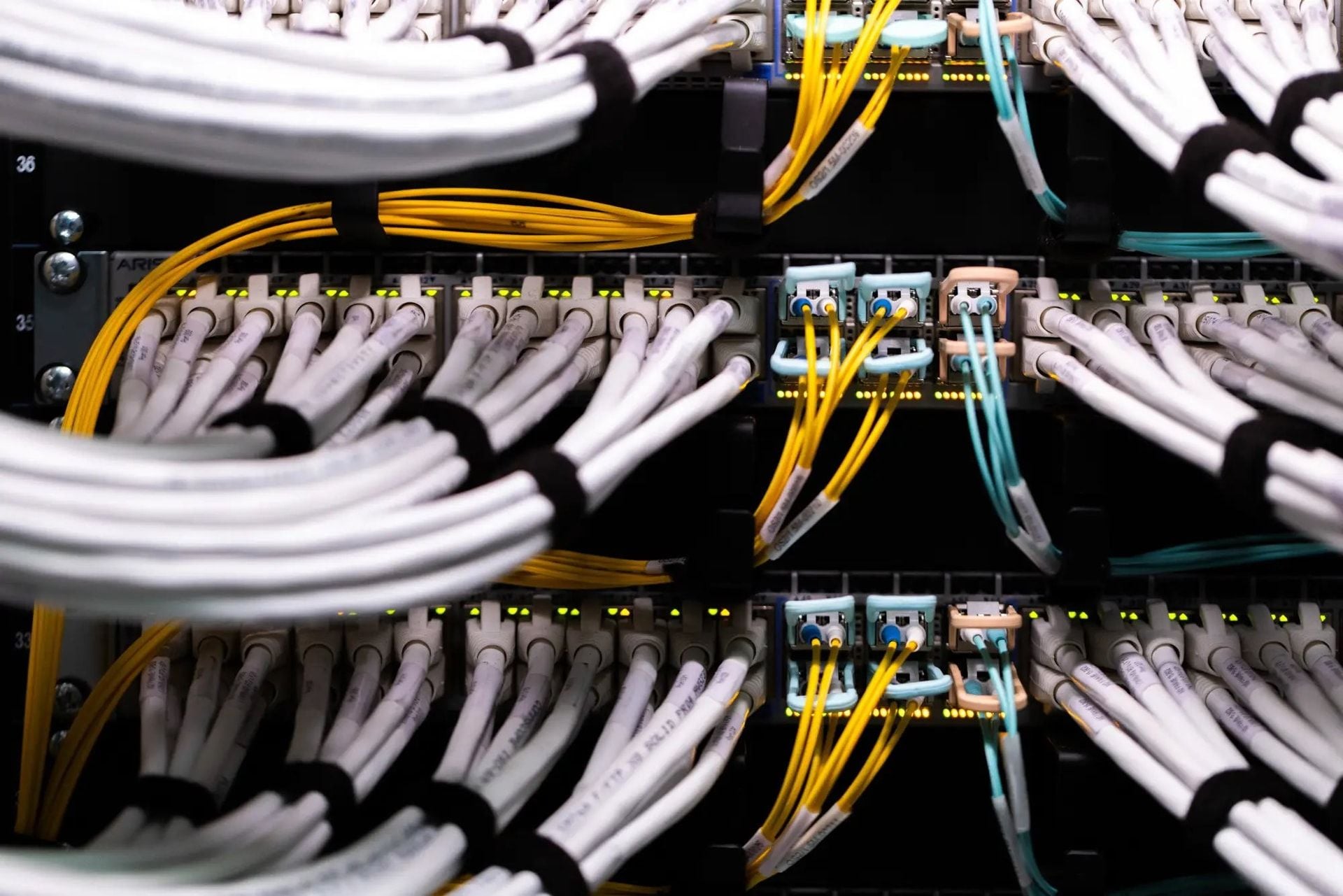
Artificial intelligence is accelerating a global race to build technology infrastructure on an unprecedented scale, with data centers emerging as the “heart” of the digital economy. As these facilities expand across many countries, a less visible constraint is coming into focus: a severe shortage of technical labor, especially fiber optic and low-voltage electricians.
Industry forecasts cited in the report indicate that hundreds of thousands of additional workers will be needed in the coming years to build and operate AI infrastructure. The Fiber Broadband Association’s 2024 report estimates the world will need nearly 200,000 more fiber optic technicians to support the expansion of the AI economy.
Jobs are often marketed under names such as “fiber optic technician” or “data infrastructure specialist,” but the work relies on fundamental electrical and low-voltage skills, including installation and maintenance of cabling and computing equipment. The key difference from traditional electrical work is the materials and environment: instead of copper wiring, technicians work with fiber optic cables—ultra-thin lines that form the backbone of the internet and AI systems.
Cesar Ruiz, Chairman and CEO of Learning Alliance Corporation, described the role as essentially pulling fiber inside buildings and connecting it to racks, switches, and routers.
To address the shortage, major technology companies have begun funding and launching training programs. Meta introduced the “LevelUp Fiber Technician Pathway,” a free four-week course designed to convert lay workers into professional fiber optic technicians. Amazon has also funded fiber optic technician training programs in states with data centers, including Ohio and Virginia.
These programs typically range from a few weeks to a year when combined with on-the-job training, offering a potential career route for people who do not pursue a traditional college path. The approach is also framed as a short-term response to an aging workforce and rising retirement rates.
While demand for workers is rising, the report highlights uncertainty about how sustainable these roles will be. Fred Voccola, CEO of Simpro Group, said AI is initially changing office work, but in the long term could extend to blue-collar labor as well. He argued that technical trades are relatively “safe” today because of the hands-on nature of the work, but that advantage may not last.
He noted that companies are already developing robotic systems that can perform tasks such as pulling cables, inspecting infrastructure, or detecting equipment faults. Examples mentioned include Gecko Robotics and Aquant, which have deployed AI-integrated robots to detect equipment faults before they fail, aiming to optimize performance beyond what humans can do alone.
The report includes differing views on how AI will affect physical labor. Elon Musk believes physical labor jobs will persist longer than digital work. Jensen Huang, CEO of Nvidia, is cited as saying AI increases demand for skilled labor needed to build technology infrastructure.
Overall, the article concludes that the AI era is not necessarily eliminating jobs, but is redefining what “skilled labor” means. In the near term, low-voltage electrical and fiber optic trades are described as a “golden ticket” for workers seeking entry into the AI economy without an academic degree. Over the longer term, the report suggests that the differentiator may be the ability to operate and manage intelligent robotic systems rather than simply performing cable-pulling tasks.
Source: Business Insider







Premium gym chains are entering a “golden era” that is ending or already in decline, as rising operating costs collide with shifting consumer preferences toward more flexible, community-based ways to exercise. Long-term memberships are shrinking, margins are pressured by higher rents and facility expenses, and competition from smaller, more personalized…




