•
•
•
•
•
•
•
•
•
•
•
•
•
•
•
•
•
•
•
•
•
•
•
•
•
•
•
•
•
•
•
•
•


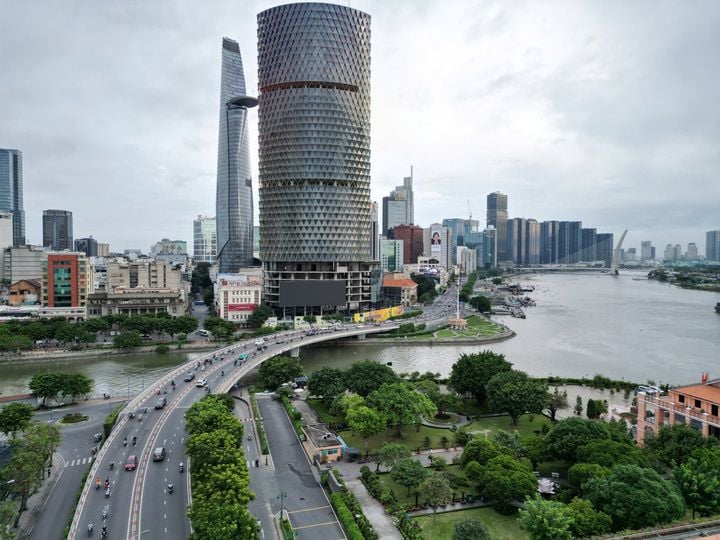
Experts say Ho Chi Minh City needs a sustainable framework to develop into a megacity. At a policy forum on 4 April 2026, the city authorities and the Vietnam National University Ho Chi Minh City discussed proposals to draft a 'special urban city law' to accelerate growth. The aim is to create a long-term, legally enshrined framework that frees up development resources, creates new growth drivers, and enables a modern urban governance model aligned with international standards. The city plans to complete draft Law in April and present to the Party Committee, Politburo and Secretariat; to prepare conditions for a legislative project to be submitted to the National Assembly in October 2026. Three principles underpin the law: autonomy for the city's People’s Council and People’s Committee; the motto 'The City decides, The City acts, The City bears responsibility'; codifying practices that currently lack a legal framework. The law should address practical bottlenecks in underground spaces, public assets, urban rail, talent attraction, and the international financial center; it should remove bottlenecks with concrete, immediately enforceable provisions, prioritizing areas where Ho Chi Minh City's advantages are strongest. Experts advocate either a 'Law for Ho Chi Minh City' or a truly special urban law tailored to the city, with sandbox mechanisms and an international legal framework. The law should not be a generic instrument but address the city's unique identity and serve as a long-term, stabilizing policy that creates a new growth pole for the region. Specifically, Prof. Do Phu Tran Tinh argues that the law must be designed specifically for Ho Chi Minh City, with three core issues to address: genuine autonomy; a sandbox mechanism; and an international legal framework. Additional experts emphasize a stable, comprehensive legal framework and documenting central policies such as science and technology, innovation, digital transformation, private sector economy, state economy, and culture to lay a sustainable foundation for future growth. The discussion also noted that while the city has achieved positive results, more work is needed to address structural bottlenecks and ensure the policy framework matches the city's evolving status. The article notes the city has contributed about 24% of Vietnam's GDP and reported strong Q1 2026 growth, but decisions at the central level must align with the city's needs. Sources include Hà Linh and VTC News, with some references to resolutions 54/98/206 and to legal reforms and the potential adoption of law in 2026-2028.


Premium gym chains are entering a “golden era” that is ending or already in decline, as rising operating costs collide with shifting consumer preferences toward more flexible, community-based ways to exercise. Long-term memberships are shrinking, margins are pressured by higher rents and facility expenses, and competition from smaller, more personalized…