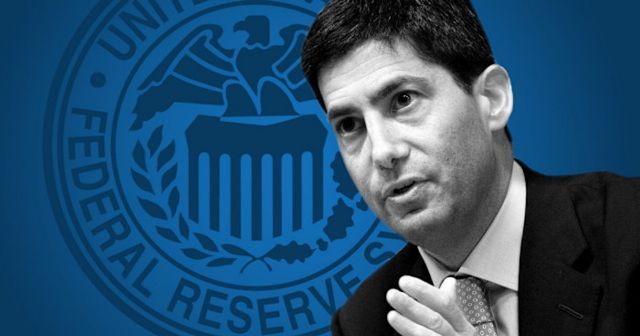
The Federal Reserve is weighing new inflation measures and could expand the data it uses to form monetary policy. Fed Chairman Kevin Warsh argues that inflation is a “choice,” and the way inflation is measured may need to change. He described plans to use new technologies in the coming 9–12 months to monitor the economy in real time, aiming to make policy more precise and flexible.
Warsh has organized five working groups to comprehensively review the Fed’s operations. One group focuses on leveraging new data, while another will reassess how the Fed measures and responds to inflation. Observers say the review goes beyond the familiar debate between headline inflation and core inflation and could extend to additional datasets to better reflect the cost of living Americans have faced after years of high inflation.
The Fed has traditionally relied on the Personal Consumption Expenditures price index (PCE) published by the Commerce Department to gauge inflation. Under Warsh’s tenure the central bank could expand the data it uses to form monetary policy. These five working groups are designed to examine whether alternative data sources can improve the accuracy of policy decisions.
Speaking at the European Central Bank's Forum on Central Banking in Sintra, Portugal, Warsh said the Fed expects to apply new technologies in the next 9–12 months to monitor the economy in real time, helping policy making become more precise and flexible. "I hope that within 9–12 months we will use new technologies to understand what is happening in the economy in real time, thereby helping policymakers make better decisions," he said.
To realize this goal, the Fed chair has formed five working groups to comprehensively review the central bank's operations. One group focuses on leveraging new data, while another will reassess how the Fed measures and responds to inflation. Warsh said the Fed will progressively reduce reliance on traditional data sets and surveys that carry methodologic limitations, while intensifying the use of real-time data and new technologies in policy formulation. "If we do our job well, a year from now when we come back here, we will be able to say we have found better data to inform policy decisions with greater accuracy," he said.
Observers note this review goes beyond the debate between headline inflation and core inflation and could extend to additional datasets to reflect the cost of living more accurately. The Trimmed Mean PCE, developed by the Dallas Fed, trims a fixed percentage of items with the largest price changes before calculating the remainder. In May, Trimmed Mean PCE rose about 2.4% year over year, far below official inflation measures.
Observers note that several indicators point in different directions: some show persistent price pressures while others suggest inflation is on a path toward the Fed’s 2% target.
The dispersion of inflation gauges means no single index fully captures the economy’s dynamics. The Fed will evaluate multiple data sources to construct a more comprehensive picture of inflation and growth, while progressively reducing reliance on traditional data sets and surveys with methodological limitations and increasing use of real-time data and new technologies in policy formulation.
Claudia Sahm, Chief Economist at New Century Advisors, said: "An accurate assessment of inflation trends is key to determining whether the Fed needs to adjust rates. But a trend does not guarantee the final outcome. Even if the inflation trend is 2%, actual inflation can still deviate from the target."
Warsh also stressed the objective of better data: "If we do our job well, a year from now when we come back here, we will be able to say we have found better data to inform policy decisions with greater accuracy."