•
•
•
•
•
•
•
•
•
•
•
•
•
•
•
•
•
•
•
•
•
•
•
•
•
•
•
•
•
•
•
•
•


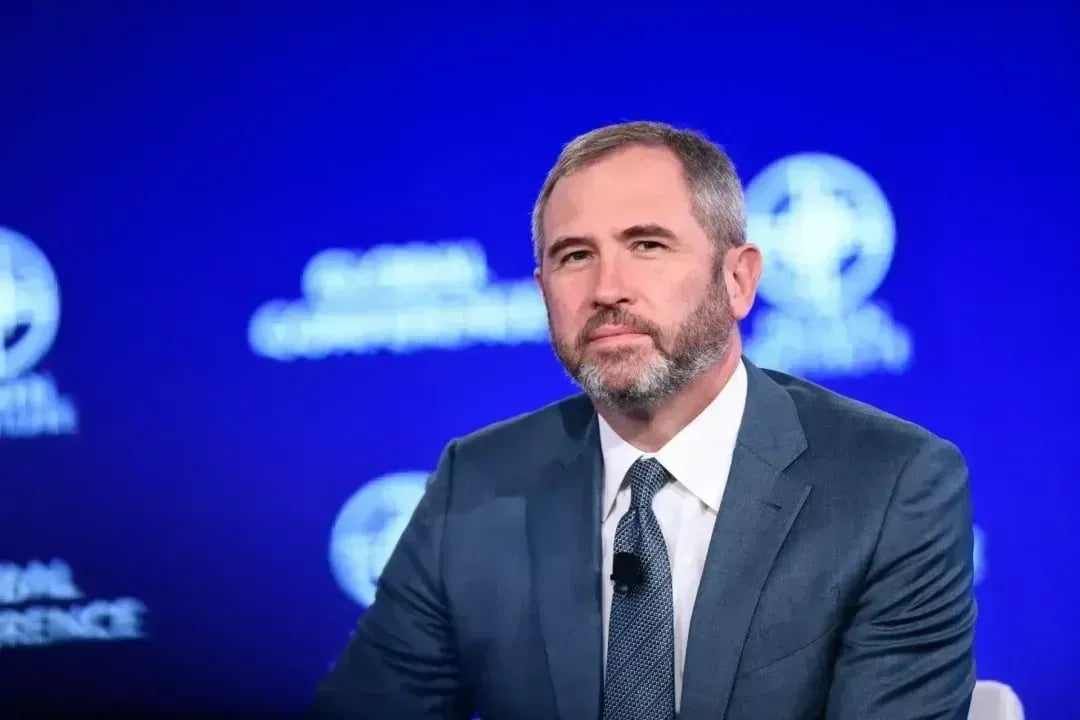
At XRP Las Vegas 2026, Ripple CEO Brad Garlinghouse addressed ongoing speculation around XRP’s regulatory status with direct comments on the proposed CLARITY Act and the broader timeline for U.S. crypto regulation.
Asked whether the proposed CLARITY Act would provide long-awaited legal certainty for XRP, Garlinghouse said: “XRP has clarity already. That’s what we care about.”
He framed the statement as being grounded in Ripple’s view of XRP’s current legal standing, while also emphasizing that the industry at large is still awaiting legislation to define its future.
Garlinghouse also highlighted the urgency of the legislative window. He warned that the time to pass the CLARITY Act is closing fast and that failing to do so could slow broader regulatory progress for years.
Beyond regulation, Garlinghouse reiterated Ripple’s alignment with XRP, stating: “We are the most interested party in seeing XRP successful.”
He pointed to Ripple’s expanding ecosystem, including the XRP Ledger and new financial tools such as RLUSD, positioning XRP as central to a broader push toward real-world financial infrastructure.
Garlinghouse’s remarks were accompanied by a broader theme at the event: a shift from community-led discussion toward a more mature convergence of developers, policymakers, institutions, and liquidity providers.
The conversation, according to the coverage, is moving away from narrative and toward infrastructure—particularly real-world applications such as tokenization and cross-border payments.
The event also noted OKX stepping in as the official sponsor, described as a signal of rising institutional confidence in the XRP ecosystem and a sign that major industry players are increasingly building within the network rather than waiting on the sidelines.
As XRP Las Vegas 2026 concluded, the central message emphasized that Ripple is building XRP with the expectation that regulatory and infrastructure momentum will continue.



Premium gym chains are entering a “golden era” that is ending or already in decline, as rising operating costs collide with shifting consumer preferences toward more flexible, community-based ways to exercise. Long-term memberships are shrinking, margins are pressured by higher rents and facility expenses, and competition from smaller, more personalized…