•
•
•
•
•
•
•
•
•
•
•
•
•
•
•
•
•
•
•
•
•
•
•
•
•
•
•
•
•
•
•
•
•


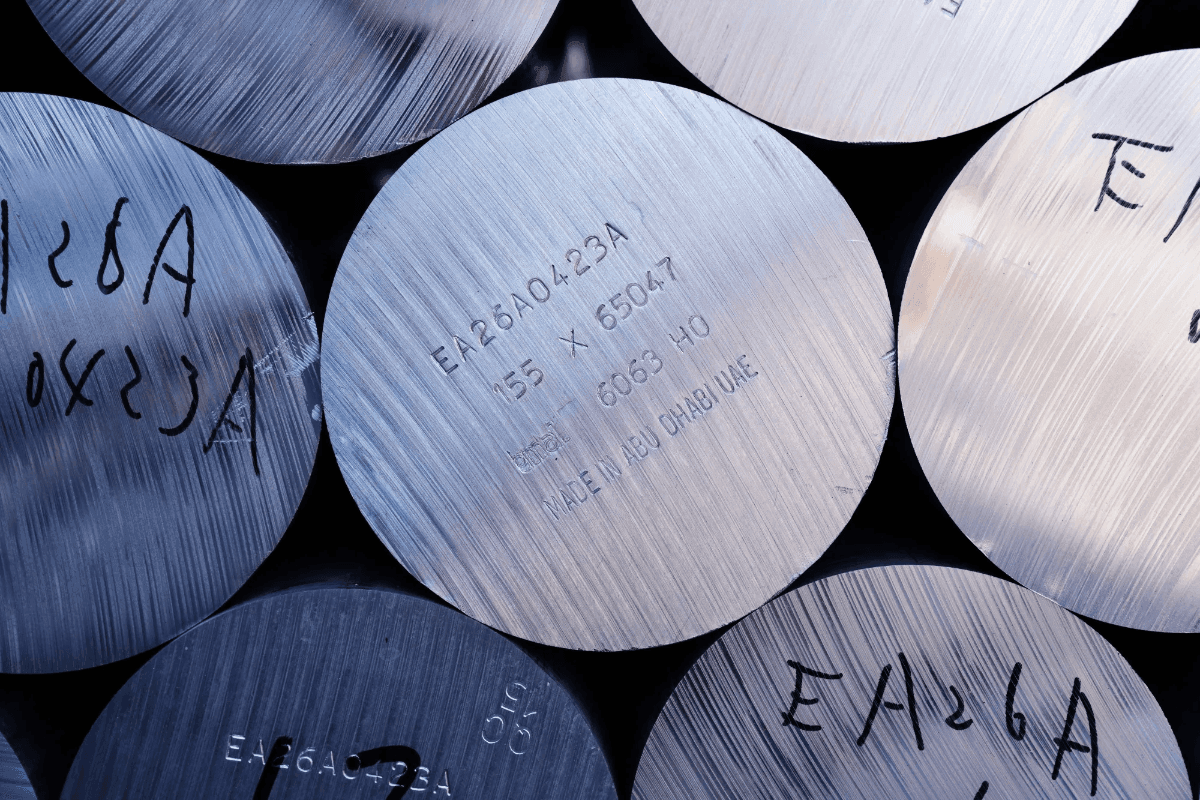
An unprecedented global aluminum supply crisis is affecting industries ranging from construction and packaging to transportation and green energy. The disruptions are being driven by the conflict between the United States and Iran, which is impacting smelters in the Gulf and tightening physical supply for buyers in Western markets.
Reuters reported that a missile attack by Iran on the Al Taweelah aluminum smelter, owned by Emirates Global Aluminium (EGA), caused heavy damage to the plant. The recovery process could take up to a year even if the war ends immediately. Aluminium Bahrain (Alba), the largest aluminum producer outside China, has also been affected by the conflict, though the extent of damage is unclear.
The supply situation has worsened as aluminum smelters in Qatar and Bahrain have cut production due to electricity shortages. Shipping through the Strait of Hormuz has also been severely restricted, increasing the risk of further output losses as Gulf smelters exhaust their feedstock.
Wood Mackenzie estimates that the global aluminum market will face a supply shortfall of up to 4 million tonnes this year. The shortfall is expected to place a heavy burden on Western buyers and force policymakers to make difficult decisions to limit the impact.
The market cannot rely on supply from the London Metal Exchange (LME) as it has in the past because LME inventories have fallen below 400,000 tonnes, plus an additional 100,000 tonnes in unallocated stock.
Stocks in CME’s aluminum warehouses in the United States have also dropped sharply. Total inventory eligible for delivery is down 70% since the start of the year and stands at 1,864 tonnes.
Even these figures may understate the real constraint for Western buyers. Russian aluminum—unavailable to Western buyers due to sanctions related to the Russia-Ukraine conflict—accounted for 270,000 tonnes in LME-registered stocks as of the end of March.
In theory, idle aluminum smelting capacity—particularly in the United States and Europe—could be restarted to ease pressure on physical supply. However, much of this capacity was already shut down during previous energy crises, and the energy-price impact from the Iran conflict makes restarting unlikely.
Wood Mackenzie also points to the broader effect of the “global cheap-energy gap,” which has already pushed many smelters to close. The Mozal aluminum smelter in Mozambique, owned and operated by South32, suspended operations in March after the company could not secure a reasonably priced electricity contract.
Wood Mackenzie warned of “an inevitable large shortage in the global aluminum market over the next 18 months.”
The shortage is expected to be most acute in Western countries, where governments may face limited options. China and Russia are the two producers that could help ease the aluminum shortfall.
China is the world’s largest aluminum producer, accounting for about 9% of global output. It typically processes much of its aluminum into semi-finished products such as ingots, sheets, and wires. However, Western markets have built trade barriers over the past decade, often requiring primary aluminum and alloys rather than lower-cost value-added products.
International aluminum prices currently show the widest gap with Chinese domestic prices since 2022, creating opportunities for Chinese smelters as domestic inventories have risen to a six-year high.
In an interview with Bloomberg, Zhu Liangmin, an analyst at Aladdiny Zhongying in Beijing, said orders for aluminum from abroad—especially for automotive and packaging applications—could rise significantly in April. Aladdiny forecasts that China’s aluminum exports this year could reach or surpass a record 6.7 million tonnes, supported by demand linked to the conflict.
In March, China’s aluminum exports reached 485,000 tonnes, up 13% from February. The figure remains below the same period last year, but it suggests the conflict may already be affecting global supply. In Q1 2026, exports were 1.46 million tonnes, up 6.5% year-on-year.
International traders are also exploring ways to secure supply from China, including buying aluminum ingots to melt into billets, though higher shipping costs due to the war may limit trade.
Russia produces both primary aluminum and value-added aluminum alloys produced in the Gulf region. Japanese manufacturers have begun returning to Russian supply after voluntarily imposing sanctions on Russian aluminum when the Russia-Ukraine war began in 2022.
American and European buyers, however, would need government sanctions exemptions to purchase Russian aluminum.
In the United States, the situation is further complicated by President Donald Trump’s aluminum import tariffs, which have been raised by 50%. This has pushed the price of imported aluminum ingots in the U.S. to be about $2,500 per tonne higher than the LME price. The LME price for aluminum is currently around $3,580 per tonne, the highest level in four years.
For Western manufacturers, the immediate challenge is cost and pricing. But as the Gulf supply disruption persists, stocks will be depleted more quickly. At some point, the issue may shift from pricing to whether there is enough aluminum available to meet production orders.







Premium gym chains are entering a “golden era” that is ending or already in decline, as rising operating costs collide with shifting consumer preferences toward more flexible, community-based ways to exercise. Long-term memberships are shrinking, margins are pressured by higher rents and facility expenses, and competition from smaller, more personalized…