•
•
•
•
•
•
•
•
•
•
•
•
•
•
•
•
•
•
•
•
•
•
•
•
•
•
•
•
•
•
•
•
•


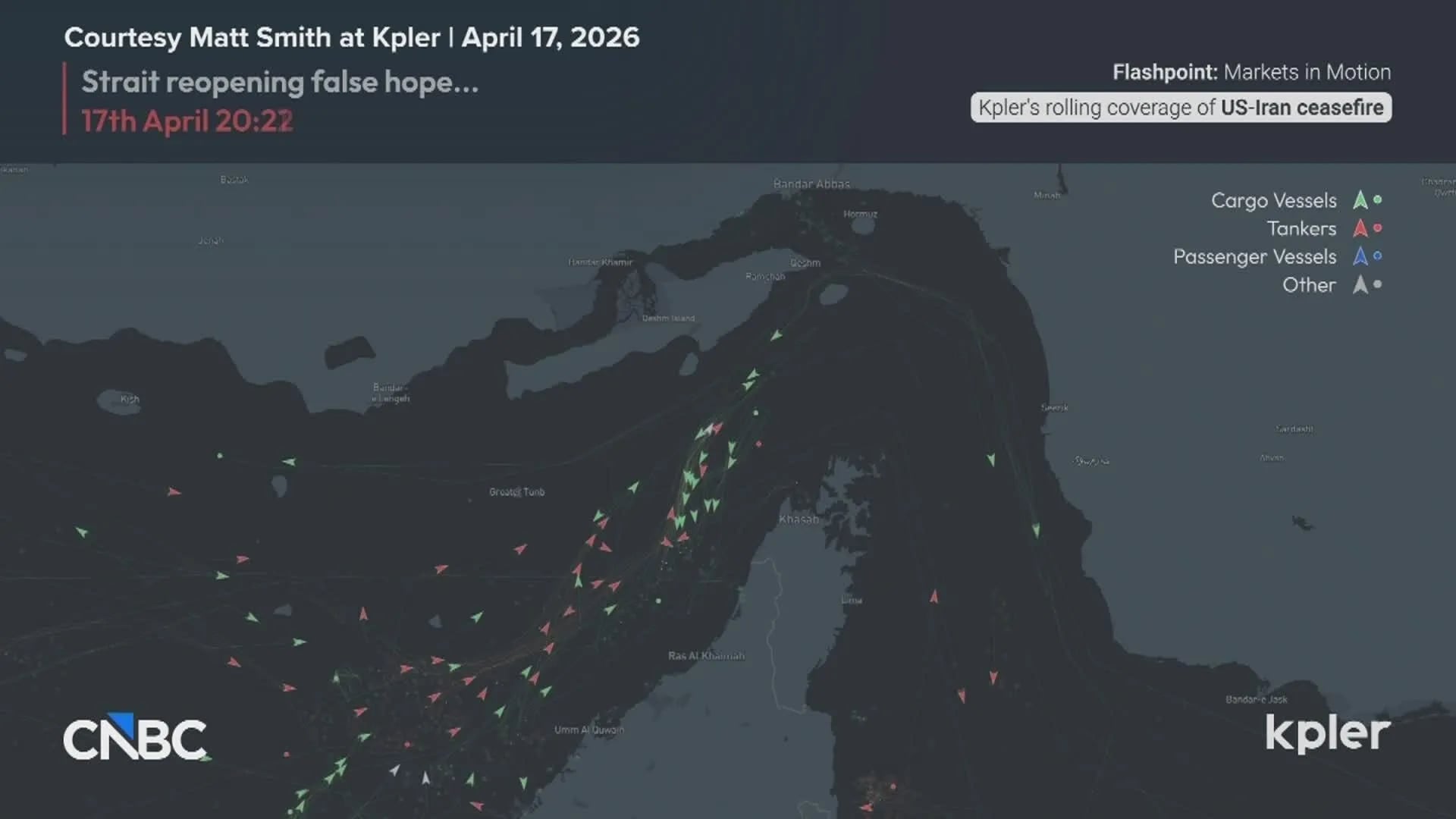
Global crude oil markets have lost more than $50 billion in potential revenue as the Middle East conflict disrupts supply through the Hormuz Strait, which has been largely blocked for over a month. According to data from Kpler, since fighting intensified in late February, more than 500 million barrels of crude oil and condensates were unable to participate in global markets as the Hormuz Strait was nearly blocked. Kpler described the disruption as the largest to energy supply in history.
Johannes Rauball, an analyst at Kpler, estimated that with crude oil prices around $100 per barrel, the 500 million-barrel shortfall implies about $50 billion in lost revenue for the energy sector—roughly the GDP of small European economies such as Latvia or Estonia.
The 500 million barrels also equate to nearly one month of U.S. demand, or more than a month of European demand. Kpler said the volume would be enough fuel for international shipping for about four months.
The IEA reported that inland crude stocks fell by about 45 million barrels in April. Since the end of March, production disruptions have totaled around 12 million barrels per day.
Global onshore crude stocks have fallen by 45 million barrels in April. Since late March, production disruptions have reached 12 million barrels per day.
Even after Iran said Hormuz had reopened, recovery in production and shipping is expected to be slow. Control Risks data indicated the Hormuz situation has changed little since the announcement. A CNBC video showed several vessels turning back at the Strait.
Shipping executives want to ensure their ships are safe and may not comply with Iran’s requests to sail along the coastline. Iran has warned that ships still need to be allowed to pass.
Heavy oil fields in Kuwait and Iraq could take 4–5 months to return to normal operations, delaying inventory drawdowns through the summer. Damage from attacks on refining plants and the Ras Laffan LNG complex could prolong energy infrastructure recovery for years.






Premium gym chains are entering a “golden era” that is ending or already in decline, as rising operating costs collide with shifting consumer preferences toward more flexible, community-based ways to exercise. Long-term memberships are shrinking, margins are pressured by higher rents and facility expenses, and competition from smaller, more personalized…