•
•
•
•
•
•
•
•
•
•
•
•
•
•
•
•
•
•
•
•
•
•
•
•
•
•
•
•
•
•
•
•
•


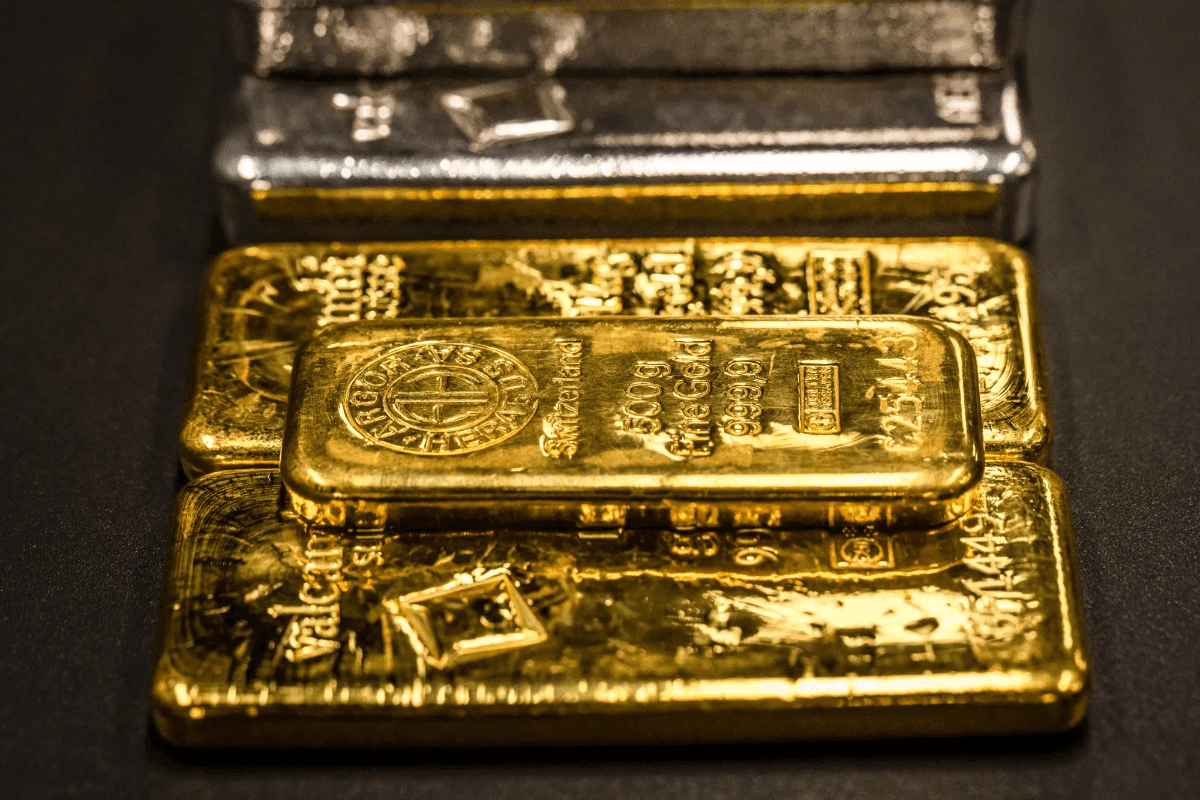
Gold prices rose on Friday, April 17, after crude oil fell sharply when Iran said the Hormuz Strait would reopen to all commercial ships. The SPDR Gold Trust recorded a fourth consecutive inflow, marking a strong weekly net purchase. At the close, spot gold in New York rose $40.10/oz to $4,831.40/oz, up 0.84%. Spot silver gained $2.40/oz, or 3.06%, to $80.95/oz. On COMEX, gold futures settled up 1.5% at $4,879.60/oz.
In a post on X on April 17, Iran’s Foreign Minister Abbas Araqchi said the Hormuz Strait would be fully open to all commercial ships for the remainder of the ceasefire between Israel and the Iran-backed Hezbollah in Lebanon. The ceasefire, brokered by the US, was announced by Trump on April 16 and signed between Israel and Lebanon, taking effect at 5 p.m. Eastern Time that day.
Following Iran’s statement, crude oil and the US dollar fell sharply, supporting gold.
For the week, spot gold rose 1.7%, spot silver gained 6.6%, and the Dollar Index fell more than 0.4%. The day’s trading also showed gold reacting to broader macro variables: the article notes that gold appeared to be traded more like a risk asset than a traditional safe haven, with price moves increasingly linked to inflation expectations and the interest-rate outlook.
It added that any de-escalation in the Gulf conflict that reduces oil prices could ease global inflation pressures and lower expectations for “higher-for-longer” interest rates.
In Friday’s session, futures traders priced in roughly a 39% probability of a Fed rate cut of 0.25 percentage point before year-end, up from 32% a day earlier.
“Opening Hormuz again is a major event, putting downward pressure on oil, easing inflation fears and lifting expectations for rate cuts. All of this is supportive for gold,” said Peter Grant, a strategist at Zaner Metals. He projected that in the near term, gold could rise above $5,000/oz.
On Friday, the SPDR Gold Trust bought 7.7 tonnes of gold, lifting holdings to 1,060.6 tonnes. For the week, the fund bought gold for four consecutive sessions, with total weekly net purchases of 13.4 tonnes.
Reuters reported that Asia’s physical gold market remained subdued this week as prices rose and buyers hesitated. In India, domestic retail gold prices traded with premiums of up to roughly $14/oz versus the official international price; in China, retail gold prices were about $3–6/oz above the international price; and in Hong Kong, Japan, and Singapore, retail gold prices were roughly at or slightly above the global price by about $1–3/oz.
Overall, Iran’s statement and the resulting market moves dominated sentiment, with traders monitoring evolving dynamics in the Middle East and their implications for inflation and monetary policy.






Premium gym chains are entering a “golden era” that is ending or already in decline, as rising operating costs collide with shifting consumer preferences toward more flexible, community-based ways to exercise. Long-term memberships are shrinking, margins are pressured by higher rents and facility expenses, and competition from smaller, more personalized…